

Campfire Tales | When the Colors Fade (7/18/25)

By Aaron Selkow, Owner/Director

There’s a low hum that’s growing louder across camp, just under the surface. You hear it in the pauses after announcements. You see it in the whispered guesses between campers at the close of an all-camp program at night. You can feel it in the smirks exchanged between seasoned staff or veteran campers who already know what’s coming.

Tribal is near.

We don’t announce the date. We don’t hint. We don’t post a schedule. Because at Chestnut Lake Camp, Tribal isn’t just an event — it’s an awakening.

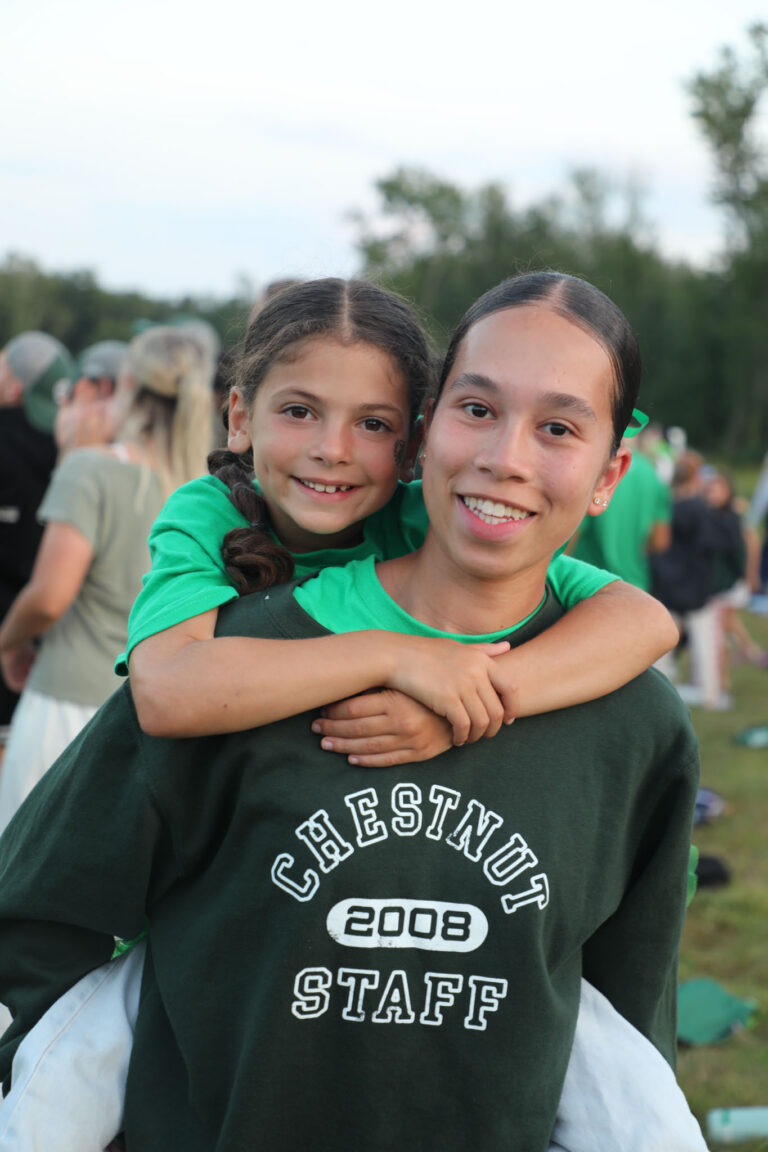
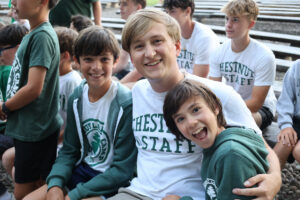
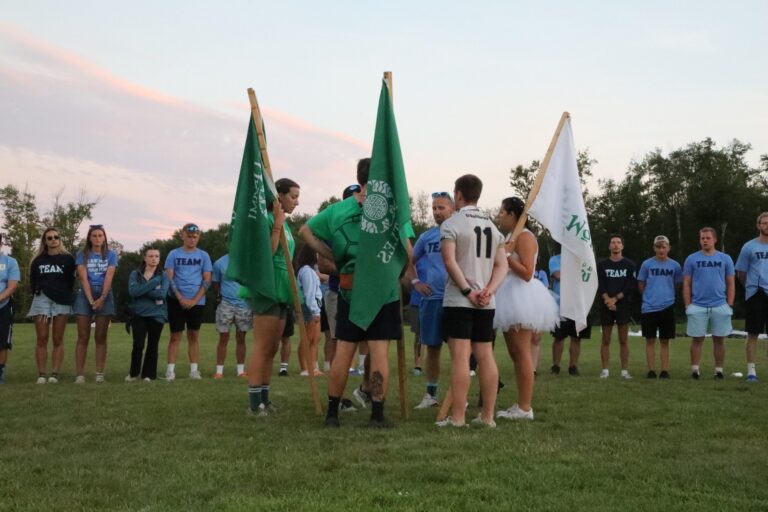
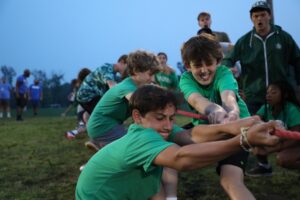
When it breaks, everything shifts. Campers scream, staff erupt, and just like that, we are split into two great tribes: Minsi (White) and Unami (Green). For three unforgettable days, our shared world is transformed. Friends become friendly rivals. Chants grow loud. The entire community leans into something that is at once ancient and brand new.

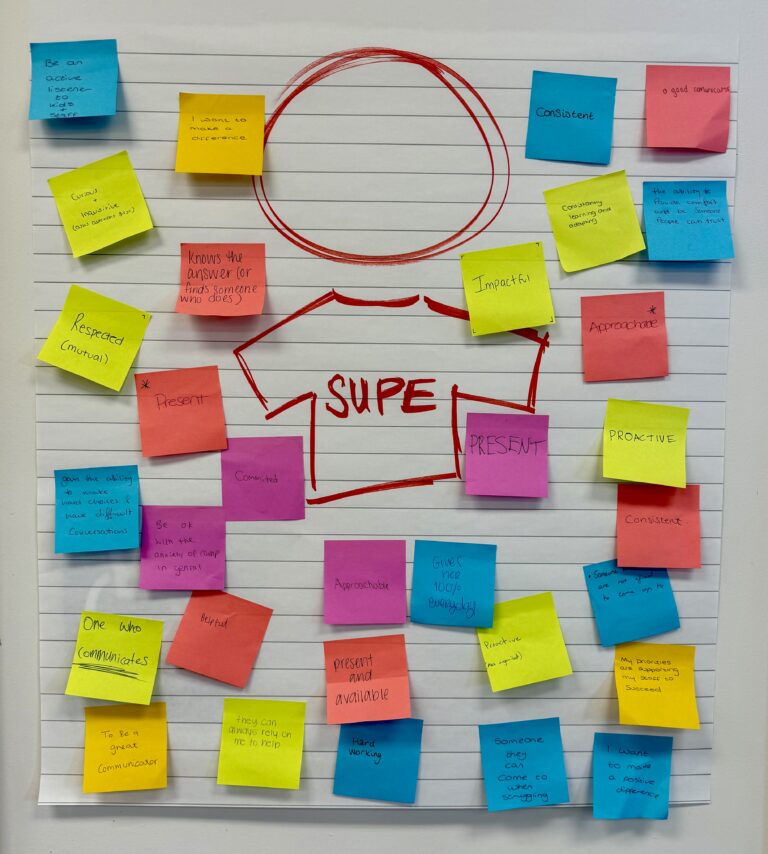
And at the center of it all are the Chiefs — four counselors, two for each tribe, selected to lead. They don’t apply for it. They don’t campaign. They are chosen. And not because they’ve mastered the art of the dramatic speech or won the most Tribal events as campers. They’re chosen because they live what Chestnut Lake stands for. Every day. In every moment.

Being a Chief is not about standing out. It’s about showing up. The Chiefs are the ones who have consistently led with character, humility, humor, and care. They’re the counselors who check in on a quiet camper after dinner, who rally a group not with ego but with empathy, and who embody what it means to be a role model — even when no one’s watching.

In an article from The Wall Street Journal, the Color War “Captain” was described as the new summer status symbol. There were drones in the sky, ping pong balls falling from helicopters, and parents livestreaming dramatic announcement ceremonies like red carpet reveals. One mom even described her son’s appointment as “more momentous than getting into college”. It’s understandable. We all want to celebrate our kids. But what we’ve created here at Chestnut Lake is something different. Here, the moment isn’t about being seen. It’s about being worthy of being followed. The title of Chief is not a reward. It’s a responsibility. And we chose counselors (and not our oldest campers) because we believe that it’s the counselors at Chestnut that have the most influence on our campers’ experience — they are the engine that powers Chestnut in so many ways.

We believe that every counselor at Chestnut Lake is a potential Chief. Whether they’re leading a tribe, helping to run an activity area, or simply guiding their bunk with patience and love, each of them can model the kind of leadership that lasts long after camp is over.

Years ago, I wrote about Color War as one of the most contradictory but profound parts of camp. After spending the entire summer building a unified community, we suddenly split it in two. Minsi. Unami. White. Green. Friends land on opposite teams. The very people who helped campers feel at home now face off as competitors.
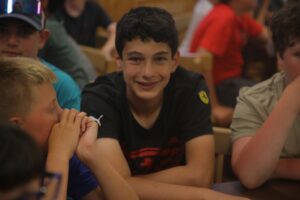
And yet, it works. It works because Tribal is not about breaking us — it’s about revealing us. It’s about testing the strength of the bonds we’ve built. And it shows us, repeatedly, that we can disagree, compete, and still come back together stronger.

What I wrote then still holds: “Color War continues as much because of the challenge of having friends on different sides as it does despite it…when Color War is over, the colors fade.” But the growth doesn’t. The impact doesn’t.

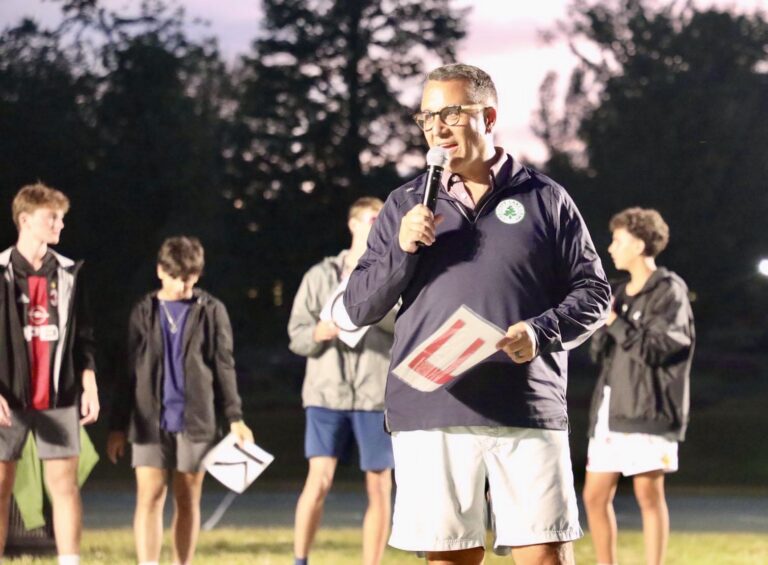
As epic as the “Break” (the announcement of Tribal’s start and the introduction of the session’s Chiefs) of Tribal is — and it will be epic — the moment I always remember most comes later. It’s after the final chant. After the last event ends. When the face paint begins to wash off, and voices have gone hoarse. It’s the moment when the Chiefs from both sides hug in the center of camp. When the campers who spent days cheering for different teams sit down together and smile at what they just shared. It’s quiet. It’s human. It’s real.

Because Tribal, at its core, is not about division. It’s about demonstrating that we can live on different sides of something and still care deeply for one another. That we can compete — and compete fiercely — and still come back together. That we are strong in White, strong in Green… but strongest in the brilliant blend we become after the colors collide.

Every summer, new Chiefs are named. But they aren’t replacing the ones who came before — they’re continuing something. Something deeply human. Something this world needs more of. We need leaders who lead by listening. Leaders who cheer others on more than themselves. Leaders who compete with honor, love without condition, and know that their greatest strength lies not in what they win, but in how they carry themselves while they do it. That’s what being a Chief means here.

So yes, Tribal is coming. And yes, it will be unforgettable. But what matters most isn’t when it starts. What matters most is who our community becomes when the colors fade.

Campfire Tales | What You See and What You Don’t (7/11/25)

By Aaron Selkow, Owner/Director

Here at Chestnut Lake, we’re deep into the second week of First Session. The sun is shining most of the time, the lake is full of splashes and laughter, and the kids are busy being exactly what they should be: campers. It’s that sweet spot in the summer where routines are taking hold, friendships are locking in a bit more, and moments of joy happen before anyone even realizes how fun they are.

Each morning around 5:00 AM, before camp even stirs awake, I get an automatic news briefing with any stories about summer camps across the country. Most days, it’s minor stuff — a fun event, a trend piece, or maybe a local camp in the news. But in the last week, like many of you, I was stopped in my tracks by the devastating stories out of Texas. The flash flooding, the loss of life, the heartbreak that swept through Camp Mystic and others — there are no words for the depth of sadness felt across the camping world. One of the lives lost was a dear colleague, Ann Ragsdale (click here if you would like to support Texas Hill Country camps and families). She was trying to evacuate staff when the unimaginable happened. These are the people who give their summers, their hearts, and their lives to create safe, joyful, transformational places for children. To see that story end in tragedy is something we’ll be holding for a long time. And it certainly reminds us here that — even with no risk of flooding like was seen near the Guadalupe River — we have to stay vigilant in our efforts to protect and guide your children.

And yet, here at Chestnut, the camp day continues. Kids are running, climbing, practicing for Lip Sync, flying across the lake on skis, and building friendships that will last well beyond the end of the session. There’s joy in every corner. And for many of you at home, that joy is mostly coming through in the form of a photo or video. You refresh the Campanion app, you watch another social media post play on your phone, you squint at a thumbnail, maybe zoom in on a blurry face in the back of a group shot, and wonder: Is that my kid? Are they smiling? Is that the same T-shirt again? Are they…okay?
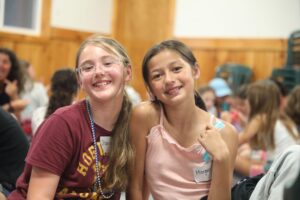
This is a good moment to revisit a blog I wrote a couple of years ago after reading a Wall Street Journal article called “Obsessed Parents Overanalyze Photos of Their Kids at Camp” (the title tells you pretty much everything). The article was funny and cringeworthy and, if I’m being honest, uncomfortably relatable. It described parents who wake up at 3:00 AM to scroll through photos, desperately hoping to decode how their child is doing based on a single captured moment. I’ve done it. When our own daughter was at camp (not the camp I was running) I was the classic “zoom and panic” or “refresh, refresh, refresh” parent. She didn’t look thrilled in one photo, and I spiraled for the rest of the day.

At Chestnut Lake, our Communications Team works around the clock—often literally—to bring camp to life for families at home. As of right now, we’ve uploaded over 10,000 photos (on pace for more than 50,000—twice as many as last year). That’s not a typo. Ten thousand photos in 12 days. And that doesn’t include video editing, social media, and everything else they do. It’s an incredible amount of work for a team that also lives in bunks, leads activities, and still somehow manages to be in the right place at the right time at times to capture your camper’s moments.

But here’s the truth: no matter how many photos we post, they’ll never tell the full story. Here are things to know about the photos:

  • They don’t show the inside joke that the kids will be laughing about all night that’s just off-camera.
  • They don’t capture the relief on a child’s face when a counselor helps them navigate a tough moment.
  • They don’t include the camper who is shy or too busy doing something to be captured on film by the one camera nearby.
  • They don’t reflect how it felt to get to the top of the climbing wall after three tries—or how loud someone’s friends cheered when they did.
  • And they don’t even get taken when the photographer realizes that the moment they’re seeing through the viewfinder is just too special, too personal, or too perfect to risk ruining with the imposition of a staff member’s digital camera.

And yes, sometimes your camper might look tired in a photo. Because they are. Camp is full of long, amazing days. Sometimes they’re not smiling because they didn’t see the camera about to shoot a photo. Or because they’re concentrating. Or maybe they’re just thinking about whether their S’more from last night counts as dinner. Sometimes a kid’s not in a photo because they were in the bathroom. Or refilling their water bottle. Or just not in the mood to be on camera. That’s allowed, too.

In light of what’s happened in Texas, I think we all feel the stakes a little differently. The urge to see our kids, to know they’re okay, to have evidence that they are safe and cared for —it’s powerful. And real. But I hope you’ll let the photos be a glimpse, not a diagnosis. I hope you’ll remember that the truest parts of camp—the ones that will last—are happening whether the camera is there or not.

What we promise at Chestnut Lake is this: your children are known, cared for, celebrated, and surrounded by adults who take their responsibility seriously. They’re having the time of their lives — and we’ll do our best to show you pieces of that. But we also know that camp isn’t meant to be viewed through a screen. It’s meant to be lived.

So please keep looking at the photos. Enjoy them. Laugh at the messy hair and the muddy clothes. Zoom in if you must. Just know that the real story is unfolding in ways no photo can fully capture. And when your child comes home — exhausted, hoarse, missing a bunch of socks, full of stories—you’ll get the full picture then.

Campfire Tales | The First to Walk the Path (7/4/25)

By Aaron Selkow, Owner/Director

The first week of camp is wrapping up, and if you’ve ever been part of a camp community, you know what a big deal that is. That first week is everything. It sets the tone. It’s when friendships are sparked, trust is built, routines take shape, and the air starts to feel like summer in a way that only camp can deliver.

And here at Chestnut Lake, the first week has been, in a word: amazing.

The kids have been all-in, trying new things, making new friends, showing kindness, and cheering each other on. The staff have been exactly what we hoped for — present, prepared, and full of heart. Even the weather has smiled on us, which is not something we take for granted in the Poconos. We’ve had some of those golden summer days that feel like they were tailor-made for running around, lake excitement, and community campfires.

But what’s really made the week stand out isn’t just the fun or the sunshine. It’s something deeper.

It’s leadership.

Leadership is one of those things we talk about a lot at camp — not because it’s a buzzword, but because it’s a living, breathing part of everything we do. At Chestnut Lake, leadership isn’t about being the loudest voice or the one with the most experience. It’s about presence. It’s about intention. It’s about knowing that your energy affects others in your cabin group, the people at an activity, and choosing to make that energy positive.

And this summer, we’re seeing that kind of leadership show up in all corners of camp. We’re seeing it in counselors who kneel to talk to a camper with kindness and empathy. We’re seeing it in Division Leaders who stay up late to make sure everything’s just right for the next day. We’re seeing it in quiet moments — when a program leader includes a camper who’s standing off to the side, or when a staff member picks some trash up off the ground without being asked.

But there’s one group that I want to highlight, because what they’re doing is not only meaningful — it’s brave.

This summer marks the beginning of our revamped Leadership Training (LT) Program, and we have eight returning young men who stepped up to be the first to walk this new path. These are campers who have grown up at Chestnut Lake. They know the traditions, the way it feels to be a camper here. And now, they’re in the in-between: no longer campers, not quite staff, but something entirely new.

They are trailblazers.

That word — trailblazer — feels right. Because what these boys are doing isn’t just participating in a program that already exists. They’re building it. With the help of a dynamic team of staff members, they’re shaping what this program will become for years to come. They’re leaning into the unknown. They’re choosing to lead without needing credit, to serve without needing recognition, and to give without expecting anything in return.

On their very first day, we asked them to reflect on what kind of leaders they wanted to be. They were given a simple prompt and a big question. What they gave back was something honest and real.

“We’re learning to lead by doing. We want to be patient and calm but also assertive and clear. We want to show up, be open-minded, and work together. We want to lead by example, by choice not just because someone tells us to.”

Those aren’t the words of teens pretending to be leaders. Those are the words of young adults who are becoming leaders.

This week, they’ve helped our cabin staff, supported younger campers, and quietly stepped into moments that needed care. They’ve practiced being calm when things get loud. They’ve worked behind the scenes to make camp stronger. They’ve stayed curious and thoughtful, and reflective. And perhaps most importantly, they’ve paid attention. And today, they even navigated how you can serve Snow Cones without a Snow Cone machine.

There’s something powerful about being the first. It means you don’t have a blueprint. It means you take a few steps into the dark, trusting that something good is on the other side. And when you do it right, you don’t just find your way — you leave something behind for others to follow.

That’s what these eight trailblazers are doing. They’re not just walking a new path. They’re building one. And they’re doing it with courage, character, and a lot of heart.

As we close out Week One, I’m filled with gratitude. For our campers, for our staff, for the sunshine and the silly songs and the sound of kids laughing under the trees. But also — and especially — for the leaders in the making who are reminding us of what it looks like to grow into yourself, right here in the middle of camp.

The trail they’re walking is one worth following. And I can’t wait to see where it leads next.

Campfire Tales | Let the Summer Begin (6/28/25)

By Aaron Selkow, Owner/Director

In just one more day, the gates will open. The buses will pull in. And the best part of Chestnut Lake Camp — the campers — will be back where they belong.

The duffels are already here and unpacked. The campers’ beds are made, and their clothes are neatly folded onto their shelves. The lake is still. The fields are ready. And our team is ready — really ready.

We’ve spent many days preparing this place and these people to care for your children. To make them feel safe, inspired, included, and loved. And as we put the final touches on our preparations last night, I stood in front of our incredible staff and did something I had to psych myself up to do: I sang.

The song was Forever Young by Bob Dylan. And while the lyrics may be familiar, singing it last night felt different.

You see, I’ve been going to camp since I was five years old. My first director — Bob Miner — was one of the greats. Every summer, he would open camp with a song called Banks of the Ohio. I grew up with that tradition. I sang it year after year without really thinking much about it — until I got older and realized the lyrics were, well…about a man murdering his fiancée by throwing her into the Ohio River. Not the most “campy” theme.

When I became the director of that very same camp years later, I quietly retired that tradition. Not because there was something wrong with the song. It worked for Bob. But it didn’t work for me. I realized something important: when I sing to campers and staff, I want the words to mean something to me.

Now, when I pick songs to share at Community Campfire, I choose ones that reflect what I believe camp is all about. Songs that carry a message, or that speak to something I want to say (but maybe I can’t find the words for myself). And last night, I stepped out of my comfort zone a bit and sang something new — well, new to me. Forever Young is, in many ways, everything I would want to say to your children, if I had just one song to do it.

May you always be courageous,
Stand upright and be strong.

That’s what camp makes possible. Courage in the little moments. Strength is found in new friendships, in first tries, in small victories. And our staff — this incredible, talented, thoughtful group of humans — is here to help your children discover just how brave and capable they are.

They’ve trained hard. They’ve asked good questions. Furthermore, they’ve leaned into the work. And they are so ready — not just to lead activities or manage bunks, but to show up for your children with kindness, presence, and heart.

May you build a ladder to the stars,
And climb on every rung.

Camp doesn’t fast-forward through the hard parts. It meets kids where they are. Whether it’s making a friend, getting through a tough moment, or finding joy in something new, growth happens here, rung by rung. And every child’s ladder looks a little different. That’s what makes this place so special.

May you grow up to be righteous,
May you grow up to be true.

This isn’t just a break from school or screens or schedules. It’s a space where values take root. Where kids learn how to live alongside others, how to listen, how to lead, how to be themselves, and be part of something bigger than themselves. At Chestnut Lake, that’s the core of what we do. And I believe that’s what will stay with your child long after the last day of camp.

May your hands always be busy,
May your feet always be swift.

The summer ahead will be filled with action. With laughter. With friendship and music, and movement. With stories told under stars, games played in the sun, and moments that will be remembered for years to come.

And in all of it, your child will be supported. Seen. Loved.

So today, before the joyful chaos begins, I wanted to share a simple truth with you: we are ready. Your child’s place is here. Their people are waiting. And this summer — steeped in song, community, growth, and heart — is going to be unforgettable.

Let the music play. Let the summer begin.

Campfire Tales | Pearl(s) of Wisdom (6/11/25)


By Aaron Selkow, Owner/Director

As I write this, I’m thinking about the kids at home who are starting to feel a little nervous about camp. I’m also thinking about their parents—some of whom may be even more nervous. It’s totally understandable. Whether it’s your child’s first time away or your fifth summer as a camp parent, there are always questions and emotions that come with the countdown to Opening Day.

Some of it comes from the unknown. If you haven’t experienced camp yet—either as a camper or through your child—it’s hard to imagine what it will feel like. And even if you’re a “veteran,” returning to camp each year brings its newness: new bunkmates, new staff, new transitions. Honestly? I feel some of that nervousness myself.

Not because I doubt what’s ahead—I couldn’t be more confident in our team or more excited for the summer we’ve planned. But the other night, as I tossed and turned, my mind wasn’t on campers or counselors. It was on Pearl.

You may be wondering, who’s Pearl?

In November 2023, our family said goodbye to our beloved dog, Apollo. He was adopted in 2016, and over time, he became an unforgettable presence—not just at home, but at camp. Apollo had this remarkable ability to connect with campers and staff, especially those missing their pets or in need of a little comfort. He was part of our family, and part of the Chestnut Lake family, too. Losing him was hard. For a long time, we didn’t think we’d ever get another dog.

But this February, we met Pearl.

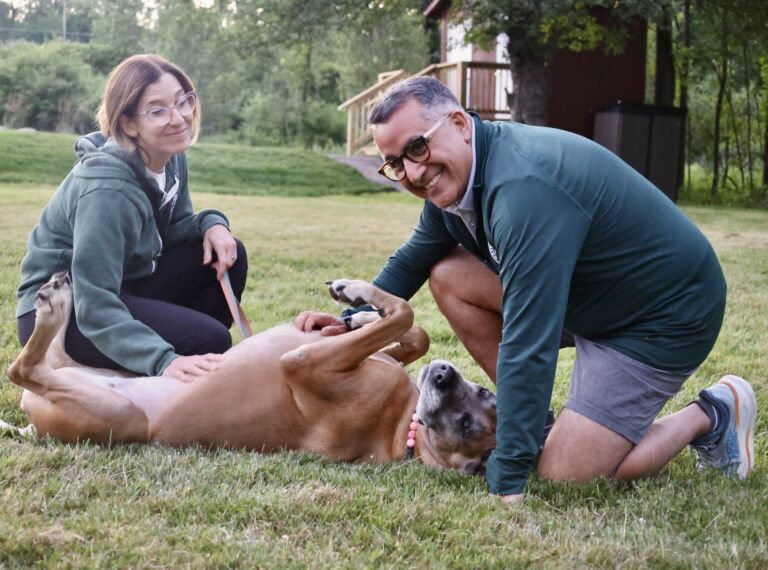
Pearl is a Great Dane, around nine years old, rescued from a difficult situation in South Carolina. She’s gentle, soulful, and was looking for a second chance. After just a short time with us, we knew she belonged. We slowly introduced her to camp—short visits here and there, then longer stretches. She started to find her rhythm. And last weekend, she faced her biggest challenge yet: meeting over 300 people at our annual Spring Fling for first-time campers and their families.

Ann and I didn’t sleep well the night before. Would she get overwhelmed? Would the noise, the excitement, the crowd be too much?

Turns out, we didn’t need to worry. Pearl was a star.

She was cautious at first—she took it all in, stayed close, and watched carefully. But as the day went on, she opened up. She approached people. She let herself be loved. She made friends. She figured it out. And in doing so, she reminded us of the very heart of what camp is all about.

Camp is a place where we all arrive a little uncertain. A little nervous. A little unsure of what to expect. But it’s also a place where—when we’re surrounded by patience, encouragement, kindness, and love—we adapt. We connect. We grow.

Pearl’s day at Spring Fling wasn’t just her debut as our new camp dog—it was a reminder that our campers (and their parents) are going to be okay. More than okay. They’re going to rise to the moment. They’re going to surprise themselves. They’re going to thrive.

Because that’s what happens at camp.

We find our footing. We make friends. We let ourselves be known and loved. And we discover, sometimes in the most unexpected ways, just how strong and capable we really are.

This summer, your child will become braver. They’ll grow more independent. They’ll find joy, even in moments of challenge. And they’ll have a team of people (and yes, one very big dog) here to walk beside them every step of the way.

Here’s to Pearl, and the beautiful journey ahead for all of us this summer.

Campfire Tales | Week 6 (8/3/24)

By Aaron Selkow, Owner/Director

I cannot remember the first time I heard the word, “Pickleball.”

As a competitive athlete for much of my life, I can admit to being slightly biased when considering what is considered a sport. One of our leaders at camp (Dan Craig, our Program Director) was sharing ESPN’s recent announcement of its 2024 “The Ocho” schedule, featuring an array of what I would consider ridiculous non-sports activities that are marketed as pseudo-athletic competition (such as the “Uncut Beard and Mustache Competition”, or the “Belt Sander Races”.) Whenever I heard more about Pickleball some years ago, I am sure that I placed it in a similar category.

Over time, I kept hearing more and more about how Pickleball was taking the world by storm as the fastest-growing sport in America. Courts (both outdoors and indoors) were cropping up everywhere, younger people were flocking to a game that had been a sport for retirees. Ann and I started hearing from our friends that they were starting to play. And then in 2021, our partners and friends at Trail’s End Camp informed us that they would be redoing their tennis courts with Pickleball lines. Before the summer of 2022, we did the same. But in all honesty, I had no confidence that anyone would ever care. How would something so silly catch on?

Four female campers play pickleball, enjoying a summer of fun, friendship, and outdoor adventureAfter a couple of summers of very tepid interest in Pickleball, we were preparing for a full renovation of our courts before this summer. Having heard the continued drumbeat of Pickleball’s growth in popularity (and even succumbing ourselves to the fad by playing a bit of it ourselves), we followed the lead of our partner camp and upgraded the courts to include not only the lines to be able to play Pickleball on the tennis courts surfaces but the construction of two permanent Pickleball-only courts under the lights.

This summer has had so many awesome moments and many take place in outstanding activity areas. The Lake and Pool have been as coveted as ever, Outdoor Adventure’s team has been superb at engaging kids in a wide variety of experiences, our Athletic programs have been outstanding at all levels, and the staff in Arts have been involving kids in wonderful projects. But there appears to be one runaway trend that has taken Chestnut by storm: Pickleball. Sport or not, it’s a thing here.

A young boy plays pickleball on the court, embracing the fun and excitement of summer sportsI am a sucker for Apache Relay, Tug-of-War, and Rope Burn in our Tribal Color Wars, as they represent old-school traditions and provide benchmarks in our celebration of rituals throughout the summer. I think that making a plaque to commemorate your cabin group in Woodshop will forever be important and never want to see that go away. And sports for me will always start with things like basketball and soccer and end with lacrosse and flag football, which are by no means new. But each summer, we experience things here at camp that represent something new; our campers may find interests or talent in all sorts of activities that could be as old as the hills or introduced just now by a creative member of our staff. But whether the thing they’re doing is old-fashioned or new-fangled, just doing new things for ourselves is a big part of camp. And it is our job to be open to these opportunities and to nudge and tease them out whenever we can in whatever ways are possible.

This summer has had quite a few great examples of this, ranging from the use of Ann’s Garden-grown cucumbers in the making of sushi at Culinary, kids getting into playing Badminton or Bocce at the new Office Lawn space, or the growing Beach Volleyball craze down at the Lake. But this is the summer of Pickle. Morning, afternoon, and night, there are people with Pickleball paddles in their hands and the sound of plastic balls being batted back and forth is present all the time. Being able to get 24 people playing simultaneously is awesome, and at times it seems like we could build 50 more courts and they would all be filled.

I may not recall when I heard about Pickleball for the first time, but I am grateful we jumped aboard. And even though I may still feel a bit unsure about where it fits in the pantheon of sports, I have learned the lesson again that was spoken by Ray Kinsella in 1989: “If you build it, they will come.” That’s what we do. We build the opportunities for kids to have a great time, and they come and do it.

Campfire Tales | Week 4 (7/18/24)

By Aaron Selkow, Owner/Director

Chestnut Lake Camp is a place of tradition. We use the word often during the summer to reference the rituals that we enjoy as part of our program, to describe the unique way that we may do things, and to act as a shortcut answer to the eternal question of “Why?” that our campers and staff members pose throughout each day. When we come together shoulder-to-shoulder to sing our Alma Mater, we call that tradition. When we enjoy the presentation of Community Service Award nominees each week with the entire camp together, we call that tradition. When we watch as the Rope Burn fires build and build and try to will the twine to separate and fall, we call that tradition.

One tradition at our camp that occurs on the last night of a session (like this evening, as our First Session of 2024 comes to a close) is one that does not appear on a schedule nor in any promotional materials. This is an experience for our campers that follows three or four weeks of immersive and intensive life in an environment that, at once, is both contrived and spontaneous. The scaffolding of safety, supervision, and planning surrounds our kids as they move through the ups and downs of a time without the comforts of their homes, many miles from their phones and screens, detached from SnapChat. At the same time, they’re forced to socialize using words and gestures that are in three dimensions. While parents sit at home on that last night of separation from the focal points of their lives, they’re unaware of what will be happening on that final evening. For that matter, they’re unaware of most everything that’s gone on for the previous twenty-one, twenty-eight – or for our Full Summer superstars – fifty days.

When the sun rises in the morning on departure day at camp, some of our campers see it happen. The glare brought by a new day can be too much for them after this night without reverie. But the sheer joy that they feel makes it alright. They’re tough, and this time is another of the many chances we have at camp to see this in them. It’s something that develops over those long days that are rife with experiences that test them. The qualities that they are developing during camp can be called many different things, but a favorite of mine is grit.

The concept of grit is explored extensively in Angela Duckworth’s Grit: The Power of Passion and Perseverance. Although Duckworth

does not include camp as a subject of her research in the book, much of what she describes is relevant at camp when you consider what is happening over the weeks, hours, minutes, and seconds that young people spend there. Duckworth suggests that “Grit entails working strenuously toward challenges, maintaining effort and interest over years despite failure, adversity, and plateaus in progress.” She continues, “The gritty individual approaches achievement as a marathon; his or her advantage is stamina. Whereas disappointment or boredom signals to others that it is time to change trajectory and cut losses, the gritty individual stays the course.”

So, it comes to pass that our camp parents are staring at their devices

on the last night clicking “Refresh” for the umpteenth time, without an accurate sense yet of how strong their children have become since they dropped them off. On one hand, we take great care in protecting children from harm while they’re at camp and understand when parents describe their daughters and sons as gentle, sensitive, and in need of special attention. On the other hand, we relish our opportunity to push them out of their comfort zones, surprise them, allow them to fail at things, unbridle them from the constraints of what is, and encourage them to shape what will be. To do this well, we count on their development of grit over time that will help them drive through the obstacles that come at camp as well as the ones that await them back at home.

It’s on the last night that our campers throw caution and sleep to the wind and dedicate themselves to staying up. These final hours with friends are for looking back at the countless moments of the summer and reliving as many as possible. While they laugh at, annoy, and support each other in those waning hours – and somehow manage to lose a few more items with their names on them – they can reconcile even the toughest aspects of the camp season because, over the previous four weeks, they’ve changed.

When sleepovers end in the real world, our kids come back to us in much the same way that they leftus the day before. Maybe fun and games ensue overnight, but the experience of being in a friend’s room or basement for such a relatively short time fails to be the extraordinary experience that the last night of camp can be. Staying up extra late at camp is for kids to celebrate the totality of the summer away from home in a place where they’ve grown up a bit more, become more independent, learned new things, made great mistakes, struggled with challenges, and even discovered something about themselves that they never knew. In the middle of the night, kids at camp can think profoundly about who they are and have become over these weeks, the love they feel for another person, or the security they have in their skin that’s unlike what they may sometimes feel at home. Part of the tradition is conspiring with their friends and counselors to stay up just a little bit later so that they could somehow make this sleepover never-ending.

What happens at camp is rooted in the traditions that we make. We like to think they’re age-old and established by generations before, but we often forget that everything at camp started somewhere, sometime, and by someone, and in most cases, it was never too far from the present. We are sometimes afraid of change at camp, yet we try to welcome new ideas and celebrate innovation. Those are qualities of camp that are so valuable in the real world for us all, but especially for our children.

We build a culture at camp that values grit. It isn’t something that many other communities can develop as quickly and effectively, and at camp, we reward people for it. The campers who make it through difficult moments are role models for others. The campers and staff members that we say goodbye to at the end of the summer with tears running down our cheeks are the ones who have built grit in themselves and have made us believe in their ability to make a difference in the world.

What if we removed tradition and grit from camp? Can you picture our campers and staff saying they’ve had enough of the things we’ve always done or refusing to take part in the sacraments of camp life? Can you see campers and staff giving in to every challenge or tough situation, never pushing through or taking risks? I suppose there could be a camp somewhere where these hypotheticals could be real, but it’s certainly not in the camp that Ann and I run. Our camp teaches and reinforces values that produce young people who understand, defend, and shape tradition while displaying grit that guides them through the twists and turns they will face in and out of camp. When we, as parents, consider whether camp is worth it for our kids or when young adults are deciding between a summer at camp or one spent elsewhere, we should weigh the values of tradition and grit (along with so many other important things at play.)

Tomorrow will be emotional, and while many of our campers will remain at camp for a fun intersession period and three more weeks of camp, we will welcome the feels of the First Session’s close. The fist bumps, hugs, and grateful, “thank you” comments will be seen and heard throughout the morning and they remind us how special camp can be. Appreciating all that we have accomplished, retelling some of the greatest moments, and sharing that with parents at home or on Visiting Day is another special tradition at Chestnut Lake Camp.

Campfire Tales | Week 2 (7/6/24)

By Aaron Selkow, Owner/Director

I lost count of how many camps I visited years ago. There have been overnight camps, day camps, specialty camps, vacation camps…so many camps. Based on those hundreds of times being immersed (sometimes briefly, sometimes for much longer) in the unique environs that camps establish and protect, I can say that there are some things that almost all camps have in common. Here they are:

  1. Campers without parents
  2. Young adult role models
  3. Fun and growth
  4. Color War

At camp, we connect young people. Of course, when families are looking for the right camp for their child, they consider the campus, the programs, the schedules, and many other facets. But at the end of the summer when they reclaim their daughters and sons and assess whether sending them away for weeks to be cared for by strangers was a good idea, they just want to hear them say, “I made a friend.” Camps create the environment within which children that start as strangers become lifelong members of an extended family with bonds that are astoundingly strong. They do this with intention, with character, and with a devotion to whatever their unique mission and methods may be. Building harmony is a mantra at camp, and yet one of the most common similarities between many camps no matter where they are and what their tradition may be is the presence of something we call, “Color War.” A Color War by any other name such as Olympics, Maccabiah, or Tribal is still a Color War – an intensive, often multi-day activity that engages the entire community in battles both inane and profound – with intensity, excitement, and the antithetical splitting of camp friends between different sides of the war.

Although the tradition of Color War has come a long way since its creation (purportedly) at Schroon Lake Camp in 1916, including renaming, reframing, demystifying, and deconstructing some of the trappings to make it more effective and acceptable in today’s world, one common and consistent element can teach us a lesson. As camps strive each day to build healthy communities inside of their cabins in the woods, working dutifully to create a coalition and establish peace in these temporary homes, Color War often tests that process by making teams. Whether Green and White, different countries, or themed groups, bunkmates are divided. Friends that might usually choose their programs based solely on what the person who they sleep just a few feet away from is doing, or kids that would break up with someone if it was important to their BFF for any reason, now will spend hours upon days on opposite sides of this camp tradition. The competition can be fierce, even if the activities with the War include carrying an egg on a spoon. There are athletic contests that the entire camp may watch, rope-burning rituals that make for some of the most important moments – and awesome photographs – of the summer, and the writing and presentation of songs that can become part of the camp’s folklore forever. It’s a big deal at many camps, and no matter what camp professionals say and do to suggest that it is not the end-all and be-all of the summer, the dividing of kids and their staff between teams cannot be understated as a tricky variable. At Chestnut, we call this program, “Tribal”.

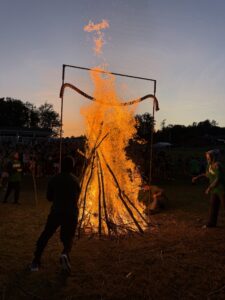
Camp leaders are not ones to do things without thought, and while they create environments that have inherent risk to give campers a chance to build resilience and independence, Tribal continues as much because of the challenge of having friends on different sides as it does despite it. They establish rules and structure for the program, of course. There are still shared values that govern the play, strong enough to sustain even when conflict arises. There are people in charge – independent and unbiased observers, referees, and surrogate parents – to shepherd the participants through their battles. There is an explicit agreement that all combatants must adhere to when the War is over: we will congratulate all for their efforts and then return to camp as we left it. There will be sad faces, tears, and lost voices, and the colored face paint may take a few days to fully disappear. But when Tribal is over, the colors fade. The issues that pitted teams against each other are over, we are back to working together for the betterment of the whole community, and the winners and losers of Tribal are just part of the nostalgia of camp with some funny or hard moments that we talk about at camp reunions for generations to come. Remember that fight song from 2009 with that line about the Unami Chiefs? Davey wrote it, and he’s now retired and living in Davie. Remember that Apache Relay from 2013 when Rachel cheated and edged Alex out at the end? Rachel is a prosecutor in the US Attorney’s office now. The fights on the fields of competition don’t linger, even if the tales of them sustain. Tribal creates stories, builds spirit, and proves that people who find themselves on two different sides of something can vie for a trophy without setting aside the decorum and humanity that is at their core.

Last night, we experienced our Tribal Campfire. This signifies the start of the TRibal process for the session, although the competition does not begin for a bit longer. We read the Tribal Story and recited the Tribal Oath together as an entire camp. The application of the Tribal credo that we will disagree and compete with each other fairly within the rules to determine a winner, only to shake hands or high-five at the conclusion to return to being on the same team could do us a lot of good in the real world, too. For me, Tribal is an ideal where people who might otherwise be friends can grapple with divergences healthily, never forfeiting their convictions or dedication to a cause, but also accepting that their adversary is only wearing a different color t-shirt. Seeing them wearing that color is okay, but holding that color against them is not.

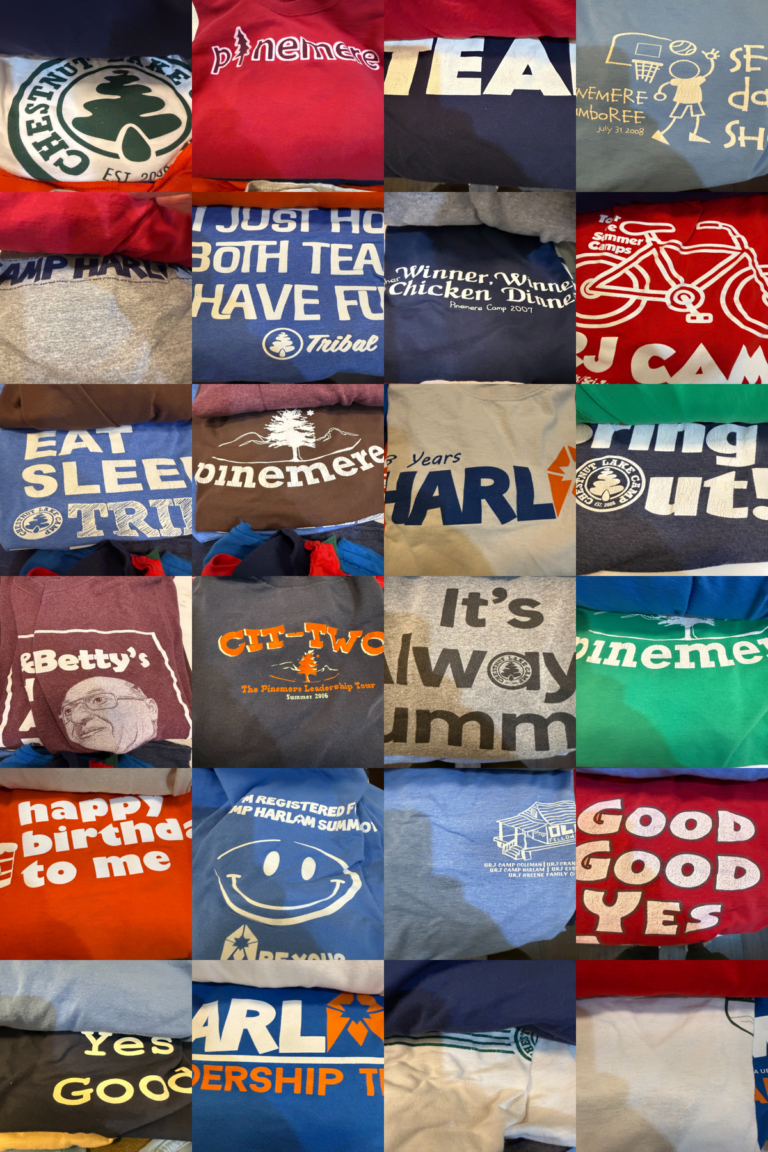
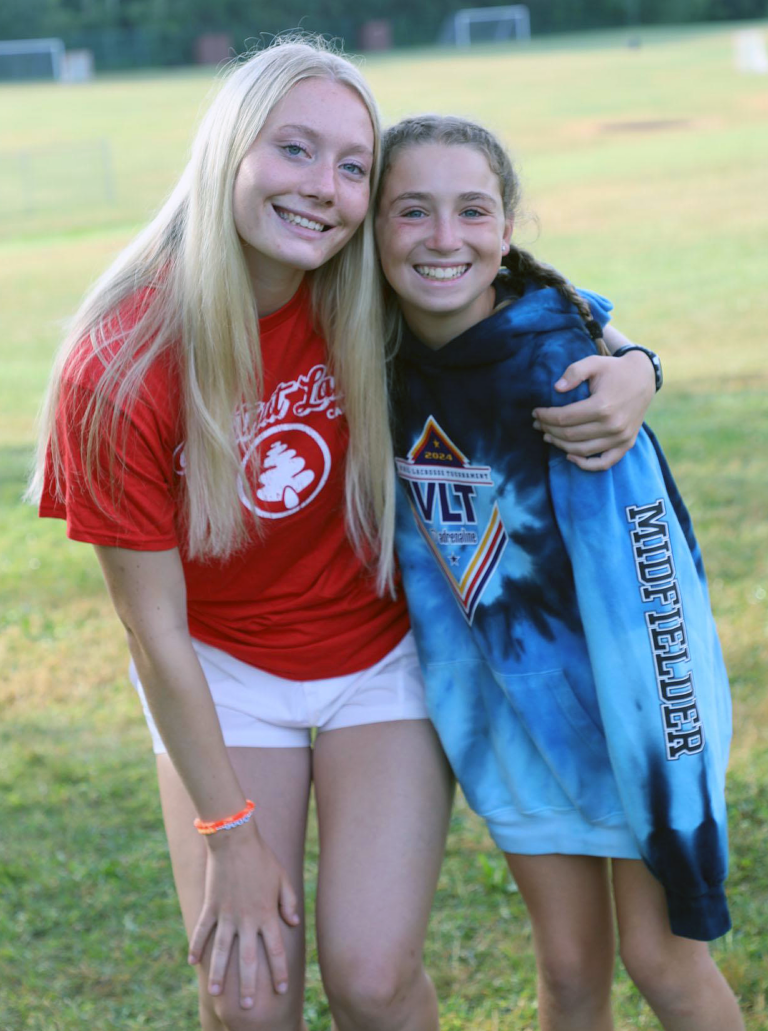
Last night, we initiated all of our new campers and staff into the Tribal tradition. The first-time members of the community wore (proudly) their red Tribal shirts, only to discover before the end of the night whether they would forever be a Unami Turtle (Green) or a Minsi Wolf (White). Seeing the face paint applied by our leaders to each new community member and then watching them reveal their color to the Green and White teams is always special. It was very much so again last night.

Your kids here are enjoying so many moments that can change them. They can become whomever they choose, safe here in Beach Lake and encouraged to stretch themselves. Tribal is a chance to do just that. It’s not about colors. Not about mascots. It’s a test of how willing they are to embrace camp and put themselves into whatever comes their way. It’s a camp thing. It’s Tribal.

Campfire Tales | Week 1 (6/29/24)

By Aaron Selkow, Owner/Director

The beat goes on. History repeats itself. Same stuff, different day. Deja Vu. Killing time. Call it a day.

None of these idioms make any sense or are useful at Chestnut Lake Camp. This is not a place where the routine ever becomes routine. Clocks are almost nowhere on site in Beach Lake. Even the traditions that are time-worn are pulled, pushed, and twisted, never to be identical. The campers can have the same names two summers in a row, but they are not the same people. They grow; constantly grow in so many ways. There is a daily schedule. But the likeliness of it ever being the same even two days is slim. It rains at camp. And sometimes that causes us to move around in funny ways. But it’s only raining when we say it’s raining. There is downtime. That’s what we call the scant moments when we just can’t run full-speed anymore and we have to take a break. Have you seen a staff member at camp with an hour to spare sitting down? If you have, then you have seen a grown adult dozing off. Last night I was speaking to someone on the phone. They told me today that they hung up when I stopped responding for the second time.

A group of campers gather for a meeting at Chestnut Lake camp.We play hard here. It can be a lot for some of us. Our new campers have to adjust. Our new staff have to accept that everything they learned before the campers arrived was used up and not super relevant after four minutes of the campers being at camp. Returning campers have to adjust, too. They naturally compare the best of last summer to the early stages of the season that started 10 or 11 months later. Obviously, they liked stuff about Chestnut last summer to want to return. And some or a lot of that stuff is gone. They didn’t come back because they thought the Drama Center was special. They didn’t tell their friends how much they loved their camp because the trees stood in the same spot forever. They had it just right last year. Now it’s different. I am grateful for this. It means we all get to grow each year, it allows us to build community and create spirit each season. It means we can never get stuck somewhere, we can always create and enjoy something different. And what always mattered remains, in essence, the key principles and programs. They are here. The big ones are here forever.

A group of campers huddle together during a football game at Chestnut Lake Camp, showcasing teamwork, strategy, and the thrill of friendly competition.This has been one of the best “first weeks” I have ever seen. Of course, that doesn’t mean it’s been perfect. There were some tears, we had some people fall down, and plenty of mistakes were made. I consoled some campers. I did the same with some staff. I spoke to a few parents that were unhappy. There will be more. And yet, what is happening here has been just so incredible. The care, the concern, the laughing, the outstanding performances, the dancing, the singing, the made three-pointers, the perfect Pickleball dinks, the beautiful artwork, the recognition of peers and staff through Community Service Awards last night, the new friends forming, the first time on the Flying Squirrel, the first leap from the highest Wibit element, and so many other things. I have heard more people than I can count say this is the best. I hope tomorrow will bring more.

Being at home while we do all of this kinda stinks. You look at images on Campanion. There are not enough for some of us. You see the posts on Insta. Other camps are doing better. The phone calls have started, and they can be so hard. The first letter said, “I miss you.” Or worse. Every child and parent deserves to feel the joy and gratification of what camp is currently giving to almost everyone here. Tomorrow will have another person brought into the fold, and I hope that you are excited to be excited. And while we work on what isn’t ideal, I will be grateful for the chance to serve your family. We love our camp families. All of them. Even the ones that tell me we should be doing better. Go ahead, push me to be the best. I am pretty sure we can be.

Discover insights from Chestnut Lake Camp's 2023 survey. Explore key findings, camper experiences, and how we're improving for the future. Learn more today!At the first true Community Campfire, I joined Josh Lutman on stage to play a Dylan classic, “Wagon Wheel.” Our camp is not the only one that loves this song. To be honest, I don’t know what that is. But as long as the campers and staff come together to make music together at dusk sitting shoulder to shoulder at the Great Lawn, I don’t care why they like this song. They would probably sing anything. They just want someone to let them sing. Together.

I hope that you are feeling proud of yourselves at home for giving your children the gift of summer at Chestnut Lake Camp. You invested in your child’s growth and we are working incredibly hard to make sure that you see the return. Tomorrow will have so many opportunities for them to do something real, and we will recognize them for that. They are not going to stand around and wait for time to bring them more and better. They are going to grab time and make things happen right now. And we will help them.

All About Camp: Insights from Apollo

By Aaron Selkow

Apollo joined our family in 2017. We had previously rescued two other dogs, and both had been special. But Apollo’s impact on our family was incomparable. He was born in South Carolina, horribly abused, and thankfully saved by a rescue organization in Pennsylvania. Ann looked into those soulful eyes in a photograph and somehow knew that he needed us. And as we mourn his loss, we cannot express just how much we needed him.

Helping Apollo took work. He was not just skittish because of the treatment he received in the years before we adopted him, he was deeply afraid. The training and coaching he benefited from influenced his behavior, and his gentle disposition was steadily complemented by a growing sense of confidence. Although we were unable to have him with other dogs extensively, he was immediately at home when I brought him to camp for his first summer in the Poconos (as the director of my last camp, before arriving here at Chestnut Lake). As he continued to settle into himself and became a mainstay in our lives, a very important shift occurred. At some point, Ann and I realized that Apollo was our teacher.

In the days since he left us, we have reflected more thoughtfully on the ways that Apollo provided us with poignant and powerful life lessons. We sometimes remarked to each other on the ways that his unique story and character impacted those around him. But in losing him, we find ourselves more philosophical as a way to cope with the sadness. Because camp is so synonymous with our family, camp became a cornerstone in Apollo’s life, too. As we remember Apollo now with only the ghosts of memories from the last six years to sustain us, it feels natural to frame some of the lessons we learned from Apollo in the context of camp.

Being a camp leader requires you to accept the blurring of lines between your personal and professional lives. Not only is camp an intimate setting that creates a familial environment for campers and staff, but the demands of overseeing a camp remove some of the usual boundaries found in other roles. You live at camp, immersed in the community, and committed to the success of others in every way possible. There is almost no personal space, and a camp leader’s willingness to be vulnerable and invite others into their family can have a prominent and positive influence. Apollo was a terrific example of and asset in this effort. Apollo was our dog, but he was also the Camp Dog. Even our prospective families had the chance to learn about Chestnut and our family by meeting Apollo, as our summer and off-season tours would frequently begin and end at our house where Apollo would be. In so many ways, Apollo represented our family to others and our care of him was representative of our values. Ann and I would say that Apollo was by far the most popular Selkow. When Lily would visit us at camp, her greeting for Apollo was the most enthusiastic and she relished seeing so many other children scrambling to be near her dog. We were humbled to be Apollo’s real family, knowing that countless others considered him to be part of their own at camp.

We often say that at camp you can become your best and truest self. It may be cliché, but every year I am reminded of this adage when I notice how people step into the virtual limelight of camp and show how impactful time and experience at camp can be in bringing out their finest qualities. ApolloA camper and her dog enjoy a peaceful moment by the lake at Chestnut Lake Camp, capturing the beauty of nature and the special bond between them. was also at his best at camp. It was at camp that he provided the most happiness to others – as Ann walked Apollo around the property each day, he was like a magnet for the kids who needed him. They craved the chance to tap into Apollo’s energy while they might be many miles away from their pets and their homes, and he obliged them gently. His aloof demeanor was a great match for their sometimes-unbridled enthusiasm, and though he might be scared, he also would get comfortable enough at times to lay down and allow others to cuddle with him. But it was just being at camp that brought Apollo joy. The ability to run and explore when nobody was around, chasing (and never catching) a deer, bounding across the lake’s sandy beach, or just running until he completely wore himself out on any day that we were there was evidence of camp being his favorite home.

We have high expectations of each other at camp. Whether you are a camper or a member of our staff, we challenge our community to accept our rules and to always model our institutional principles. As we move throughout the day at camp, we inevitably see issues that cause us to correct or redirect. I can sometimes assume that the person I see struggling to live up to our standards is making a choice, but that is often not the case. Apollo was a dog that benefited from structure, and consistency, and living at camp – even as a dog – required him to behave well, too. Without knowing all the harm that Apollo had survived and the constant effort he needed to make to manage his fears, you might see him failing to follow a command or getting overly excited to mean that he lacked obedience or a desire to please. But that was so far from the case – behind his presentation as a large, strong animal was a history of being a victim. Apollo reminded us not to judge too much and to take things and people (even dogs) for what they are: inherently good, complex, deserving of love, and yet still flawed. We try to treat our campers and staff with respect, especially when they might be struggling because we can’t assume to understand what might be behind their actions. Apollo was not defined by his past, just as our community members should never be.

Research into the relationship between humans and their dogs details how much the unconditional Apollo the dog takes the stage alongside campers during a lively performance at Chestnut Lake Camp.warmth that is shared between owners and their pets is worth. Apollo was no exception to this. As some at camp could attest, when he created a bond with someone, his relentless attention to them and his drive to be near them was unparalleled. Apollo’s recognition felt like pure love to us, and that bond reminded us of the friendship and fellowship that we saw day after day between people at camp. Campers and their bunkmates, the kids and their favorite counselors, and the staff that worked so closely together all appreciate and provide love at camp. Camp is filled with opportunities for growth and learning, but at the core, camp is a place that values this love. Apollo’s deportment was a perfect representation of the power of showing love to one another.

When I sit with campers or staff members who are dealing with mistakes that they have made at camp, I always remind them that there is no better place to fail than at camp. Camp is a safe place. Although far from being utopian, it is still far more forgiving than the real world. People at camp chose to be at camp because they care about others, and high fives, fist bumps, and hugs are always available to help console those in trouble. Camp is also a place where we can laugh about the hard times, whether in the moment or after we have gained perspective. Apollo enjoyed the compassionate environs of camp, whether it was after he ate someone’s hot dog at a cookout, came Apollo the dog on his favorite office bed at Chestnut Lake Campout of the woods covered in unbearable filth, or went to the bathroom in the wrong place. One such example was at our closing Tribal (Color War) event in 2021 when the teams were gathered on the main athletic fields preparing to hear me announce the winner. Apollo slipped away from our house, heard my voice from hundreds of yards away, ran to me, and promptly crouched in front of the entire camp to leave his own Tribal trophy on the third-base line. Apollo was forgiven at camp for his foibles, and he helped us to keep that in mind when we or others around us slipped up. Camp is at its best when it is a place where – like Apollo – we can do the wrong thing and be forgiven for it, as long as we show that we meant no harm and are willing to do better.

As a teacher, Apollo was profound. His lessons were easy to understand, and he drew on the emotional connection that he formed with us to make them stick. In the wake of losing him, we are struck by the effect that he had on us. We know that there are members of the camp family who will also miss Apollo very much and are grateful for him being with us at camp over the last four years.

We know that many people reading this can empathize, too, with our struggle to deal with his loss. In fact, these recent days have been filled with much more significant despair in the world and there are far too many people that are coping with the loss of people and things that they love in their lives. As the leaders of Chestnut Lake, we are very aware that our work this summer will be important to (once again) provide the protection, freedom, growth, and joy that our campers deserve in spite of the real-world pressures and worries that our families face at home. Sharing these thoughts about Apollo is evidence of how much we value even the most subtle opportunity we have to model our values and the commitment we have to making camp a place that helps people in deep and meaningful ways. Just like it did Apollo. 

We will cherish the moments we had with him and understand how fragile life can be. Sharing him with you was an honor and pleasure – may his memory be a blessing.


If you would like to assist in the rescue of at-risk dogs, please consider joining us in supporting Home at Last Dog Rescue.