

Campfire Tales | Before the Campers Arrive
By Aaron Selkow, Owner/Director
As I write this, we’re still more than two weeks away from Opening Day. The bunks are waiting. The lake is quiet. The athletic fields are green and ready. There are projects still underway, schedules still being refined, and a seemingly endless list of details that need attention before the first buses arrive at Chestnut Lake. To most people, camp hasn’t started yet. But the truth is, camp has been underway for quite some time. Remember…It’s Always Summer.
Some members of our leadership team arrived in early May. Together, we’ve spent the past several weeks preparing every corner of camp for the summer ahead. We’ve hired staff, planned programs, reviewed procedures, solved problems, walked the property countless times, shared information about the amazing campers still to arrive, and worked through thousands of decisions — most of which campers and parents will never see, but all of which help create the experience they will soon enjoy. The past week marked another important step in that preparation.
Nearly fifty members of our leadership team (which we refer to as the “SUPES” here, who are part of the larger “Blue Team” of adult staff) gathered for five days of intensive training. We spent long days together discussing leadership, child development, communication, supervision, safety, culture, and the tremendous responsibility that comes with helping shape a child’s summer. There were presentations. There were discussions. There were role-plays. There were moments of laughter and moments of reflection. And there was the exercise that we closed with, which has truly resonated for me.
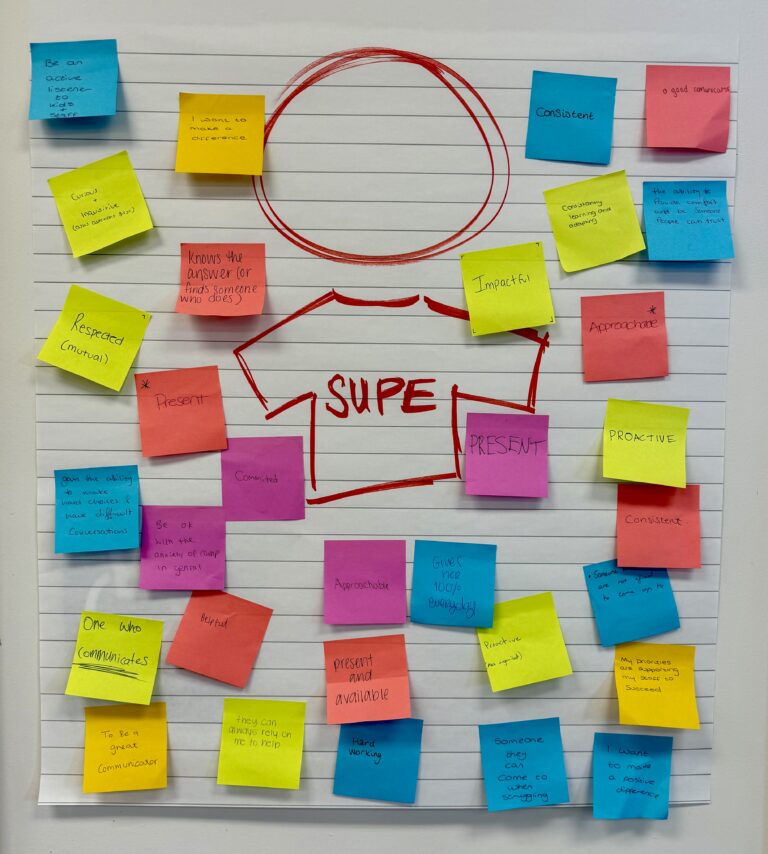
Our supervisors gathered around a large drawing of a “SUPE” and answered a simple question: “What kind of leader do you want to be this summer?”
Each supervisor was asked to consider their own answer to that question. And after we shared them all, with more than 200 affixed to the wall, I invited each of the leaders to select one written by another person and place it on the drawing of a “SUPE”. It was important that they chose one from another team member, because while each of us will aspire to meet our own goals, this team’s success will be marked by how well it supports others. Their choices quickly filled the flip-chart sheet.
Present. Approachable. Consistent. Proactive. Impactful. An active listener. Someone people can trust. Someone who makes a positive difference. Someone campers and staff can come to when they are struggling. Someone who is constantly learning and adapting. One note simply read: “I want to make a difference.”
As I stood there looking at the wall, I found myself thinking about some things that weren’t written. Nobody wrote, “perfect.” Nobody wrote, “finished.” Nobody wrote “expert.” Instead, what covered the page were qualities that require intention. Qualities that require effort. Qualities that require practice. Qualities that require growth. And that’s when I realized that the exercise wasn’t really about leadership. It was about becoming.
There has been a lot written recently about young people, confidence, resilience, independence, and anxiety. Much of it centers around an important question: “How do children become confident?” For years, many of us assumed confidence came first. Then came the challenge. But experience tells us something different. Confidence often comes after the challenge. Confidence comes from discovering that you can do something difficult. It comes from walking into a bunk where you don’t know anyone and somehow finding your place. It comes from climbing higher than you thought you could. It comes from speaking up when you’re nervous. It comes from trying something new. It comes from making a mistake and realizing you can recover from it. It comes from being homesick and making it through the day. It comes from failing, learning, adjusting, and trying again. And eventually, looking back and realizing that you’ve become stronger than you ever were before.
That is what camp has always offered children. Not a summer free from challenge, but a summer filled with the right challenges. The kind that help young people discover what they are capable of. One of the things I love most about leadership training is that it reminds us that growth isn’t reserved for children. We spend a great deal of time talking about how to help campers become more confident, more resilient, more independent, and more connected. But the adults in the room are engaged in that same work themselves. Before we ask campers to step outside their comfort zones, we do the same. Before we ask campers to learn resilience, we practice resilience. Before we ask campers to grow, we commit ourselves to growth as well.
The photo accompanying this Campfire Tale was taken at the conclusion of that exercise. What you’re looking at isn’t a strategic plan or a list of responsibilities. It’s a collection of aspirations. Nearly fifty leaders identifying the qualities they hope to embody this summer. What I find most reassuring about that isn’t that they have all the answers. It’s that they continue to ask the right questions. How can I be better? How can I serve others more effectively? How can I help someone feel seen? How can I make a positive difference? The best leaders I’ve known have never acted as though they had everything figured out. They simply remained committed to becoming better versions of themselves. Perhaps that’s one of the greatest lessons camp has to offer. Growth isn’t something we finish; it’s something we practice.
Every summer, children arrive at Chestnut Lake as works in progress. They leave as works in progress, too. The difference is that somewhere along the way, they discover new strengths, new friendships, new confidence, and new reasons to believe in themselves. The same is true for all of us. So here we are, a little more than two weeks before Opening Day. The campers haven’t arrived yet. The songs haven’t been sung. The games haven’t been played. The campfires haven’t been lit. But growth has already begun.
And if the conversations, commitment, and heart I’ve seen from our leadership team over these past several weeks are any indication, this community is ready for a remarkable summer.
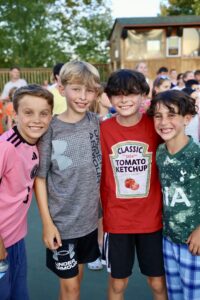 We’ve come a long way since the start of Second Session. Back then, the new campers were figuring out the map of this place — not just where things were, but where they belonged in it. In those early days, I wrote about how campers grow; constantly grow — but watching it happen is still like magic every time. The kid who could barely meet my eyes when they stepped off the bus is now belting out the Alma Mater at the top of their lungs (especially the “I’m Chestnut ‘til I die…” part at the end). The first-time counselor who thought “leading a bunk” meant giving orders learned quickly that it’s about listening, laughing, and sometimes sitting quietly with a camper who just needs to be heard.
 Writers have been trying to put the magic of camp into words for decades. In The Summer Camp Handbook, Jon Malinowski and my good friend Chris Thurber write: “Camp is a place where you can be your truest self — because everyone else is, too.” That’s been true here every day this summer. My colleague Steve Baskin once quoted a camper who told him, “In three weeks here, I got back so much of the confidence I’d lost.” I’ve seen that in our campers this summer — the return of confidence, the discovery of independence, the joy of finding a place where they are free to be fully themselves. And Lenore Skenazy, in an article for Let Grow, said it plainly: “Camp works because it gives kids a community, a purpose, and the space to try.” This summer, our kids tried everything — from the high ropes to waterskiing to making up an original dance or song in front of hundreds of people. And whether they succeeded or not, they were braver for trying.
 As we pack the duffels and watch the buses pull away, I’m reminded of what Anne Lamott once wrote: “Lighthouses don’t go running all over an island looking for boats to save; they just stand there shining.” Ann and I feel it’s our mission — joined by an exceptional team of professionals and seasonal leaders — to be that lighthouse, standing firmly on a foundation of commitment to excellence and integrity, ensuring that every child and adult who arrives and departs knows how to find their way with our never-ending light. This summer, Chestnut Lake shone.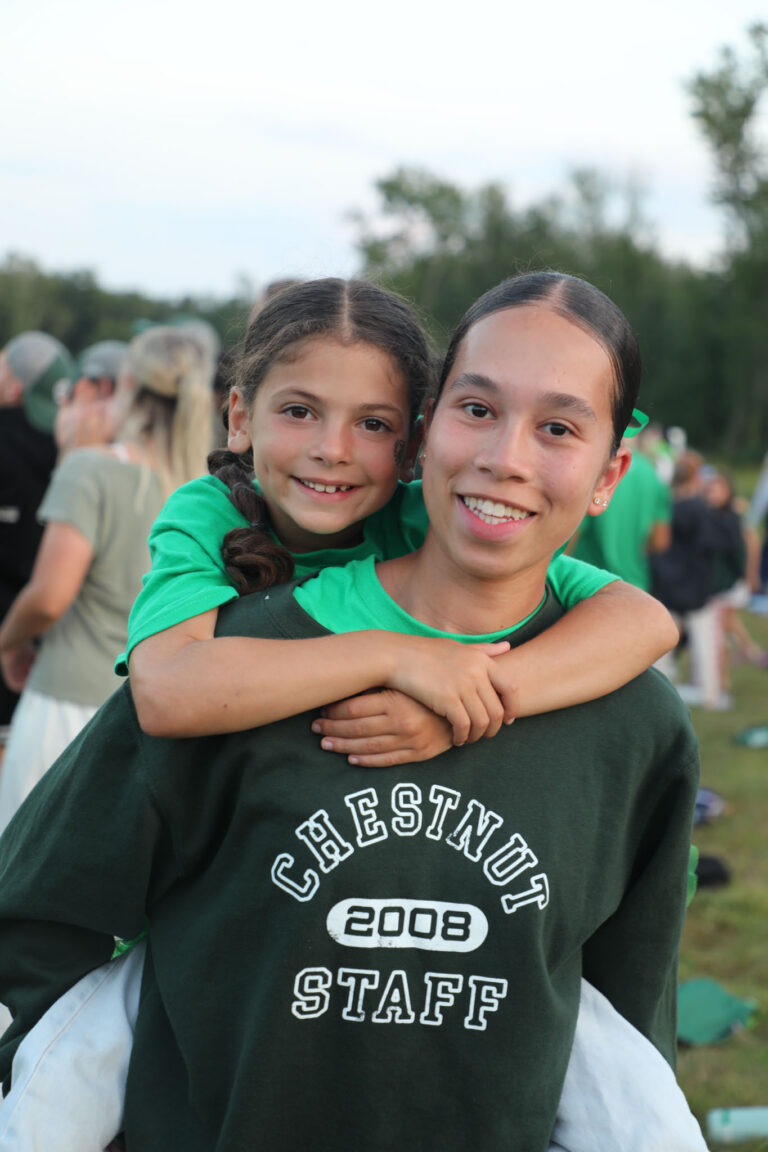
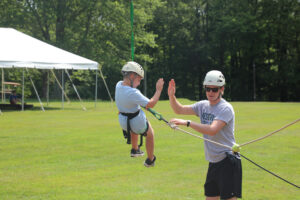 This week also marked the start (and conclusion later today) of Discovery Camp, a special five-day experience designed for younger campers to dip their toes into the Chestnut Lake experience. These sixty kids packed a full summer’s worth of excitement into less than a week — and now head home with paint on their arms, songs in their heads, new friendships formed, and hopefully, the start of a long camp story that’s just beginning. All of these experiences — the firsts, the middles, and even the goodbyes — are different. But they are all rooted in the same core truth:
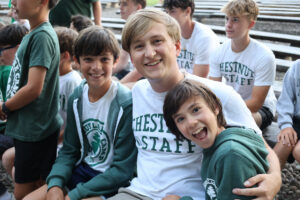 The job of a counselor is, in some ways, impossible to explain and impossible to overstate. They are substitute parents, older siblings, life coaches, cheerleaders, conflict mediators, teachers, and buddies— often all in the same day. They stay up late and get up early. They deal with bug spray and homesickness, group dynamics and lost water bottles. They lead chants and tie shoes, teach life lessons and wipe away tears.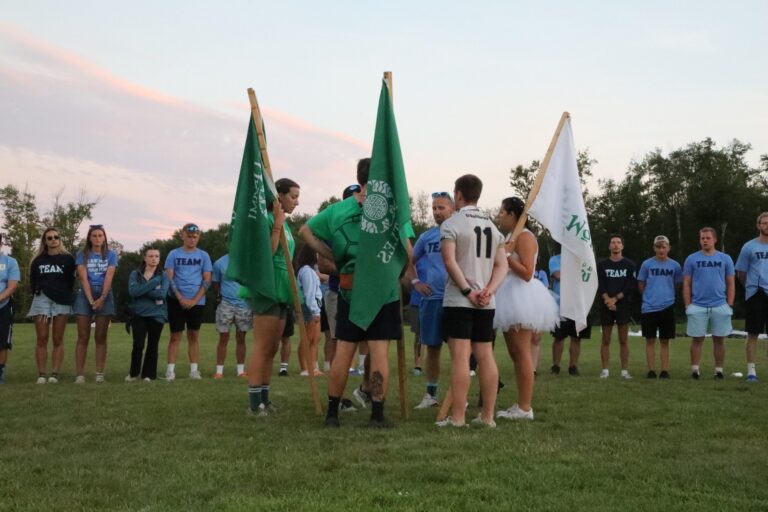
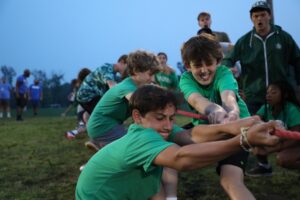 Years ago, I wrote about Color War as one of the most contradictory but profound parts of camp. After spending the entire summer building a unified community, we suddenly split it in two. Minsi. Unami. White. Green. Friends land on opposite teams. The very people who helped campers feel at home now face off as competitors.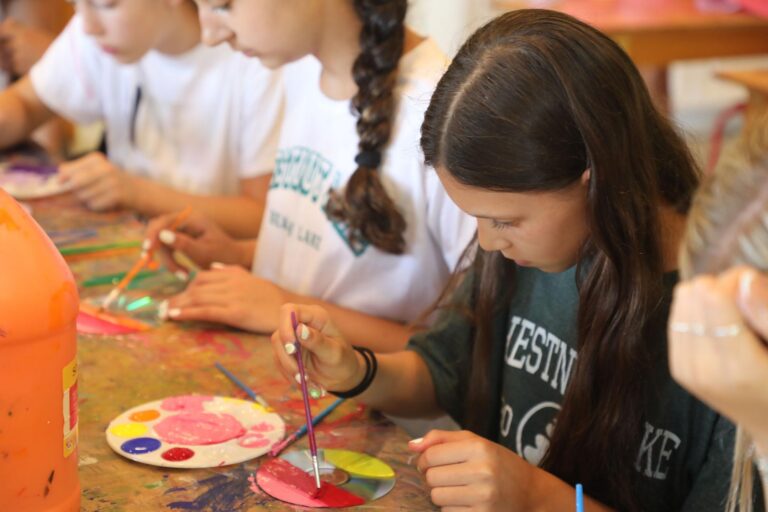
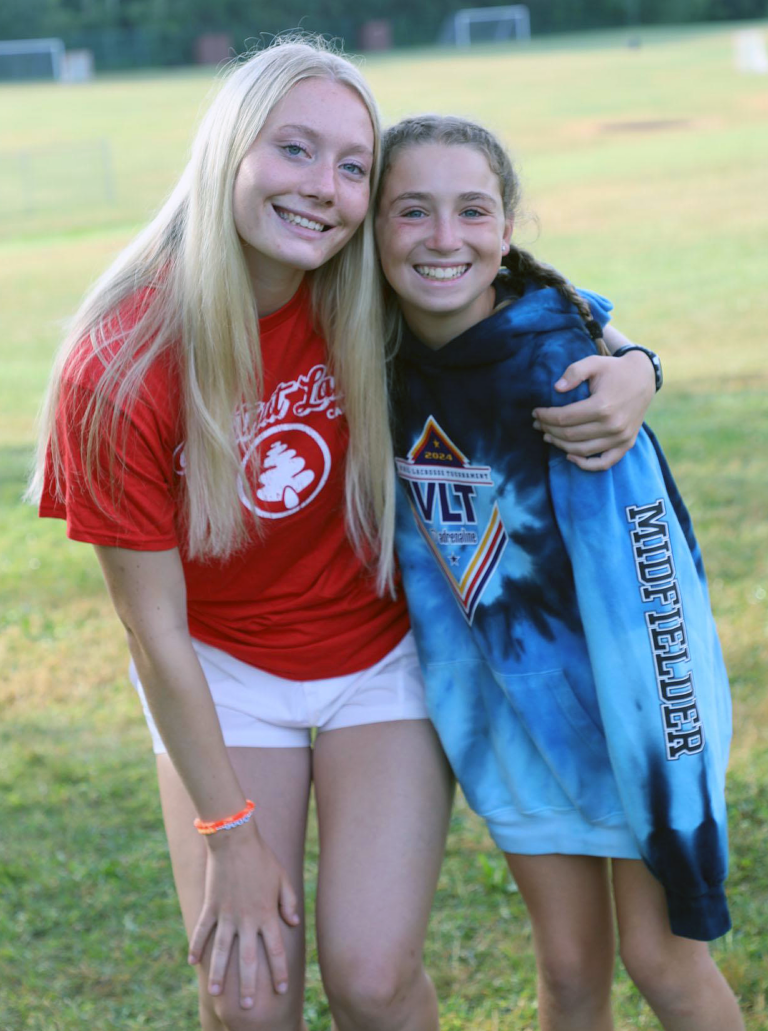
 And yet, here at Chestnut, the camp day continues. Kids are running, climbing, practicing for Lip Sync, flying across the lake on skis, and building friendships that will last well beyond the end of the session. There’s joy in every corner. And for many of you at home, that joy is mostly coming through in the form of a photo or video. You refresh the Campanion app, you watch another social media post play on your phone, you squint at a thumbnail, maybe zoom in on a blurry face in the back of a group shot, and wonder: Is that my kid? Are they smiling? Is that the same T-shirt again? Are they…okay?
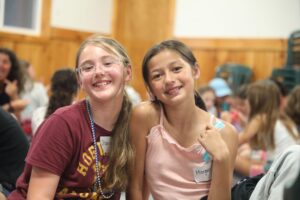 And yes, sometimes your camper might look tired in a photo. Because they are. Camp is full of long, amazing days. Sometimes they’re not smiling because they didn’t see the camera about to shoot a photo. Or because they’re concentrating. Or maybe they’re just thinking about whether their S’more from last night counts as dinner. Sometimes a kid’s not in a photo because they were in the bathroom. Or refilling their water bottle. Or just not in the mood to be on camera. That’s allowed, too.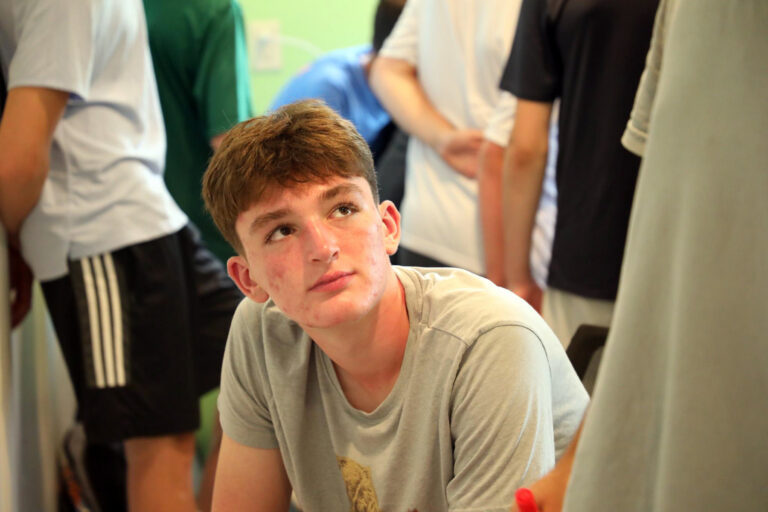
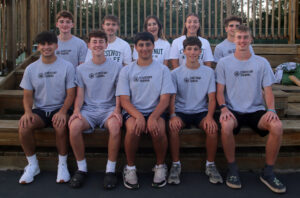 Leadership is one of those things we talk about a lot at camp — not because it’s a buzzword, but because it’s a living, breathing part of everything we do. At Chestnut Lake, leadership isn’t about being the loudest voice or the one with the most experience. It’s about presence. It’s about intention. It’s about knowing that your energy affects others in your cabin group, the people at an activity, and choosing to make that energy positive.
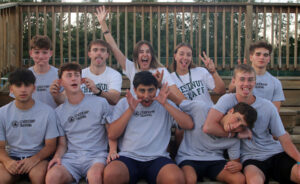 This week, they’ve helped our cabin staff, supported younger campers, and quietly stepped into moments that needed care. They’ve practiced being calm when things get loud. They’ve worked behind the scenes to make camp stronger. They’ve stayed curious and thoughtful, and reflective. And perhaps most importantly, they’ve paid attention. And today, they even navigated how you can serve Snow Cones without a Snow Cone machine.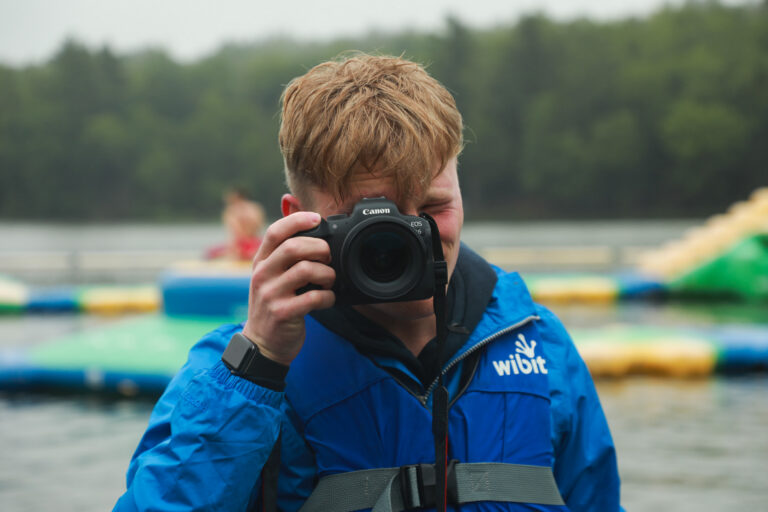
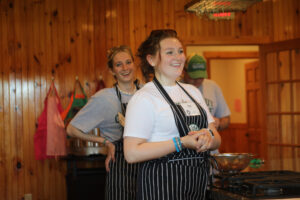 They’ve trained hard. They’ve asked good questions. Furthermore, they’ve leaned into the work. And they are so ready — not just to lead activities or manage bunks, but to show up for your children with kindness, presence, and heart.
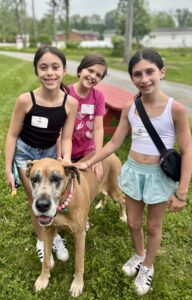 But this February, we met Pearl.