

Campfire Tales | One for the Books (8/16/25)
By Aaron Selkow, Owner/Director
There’s a certain hum that fills camp in the final week — a sound that’s equal parts joy, exhaustion, and an unspoken understanding that these days are numbered. It’s the laughter that carries across the fields at dusk, the way voices in the dining hall hit a slightly higher pitch, and the quiet conversations between friends who know they’re about to be apart. It’s the sound of a summer’s worth of living, pressed into its final pages.
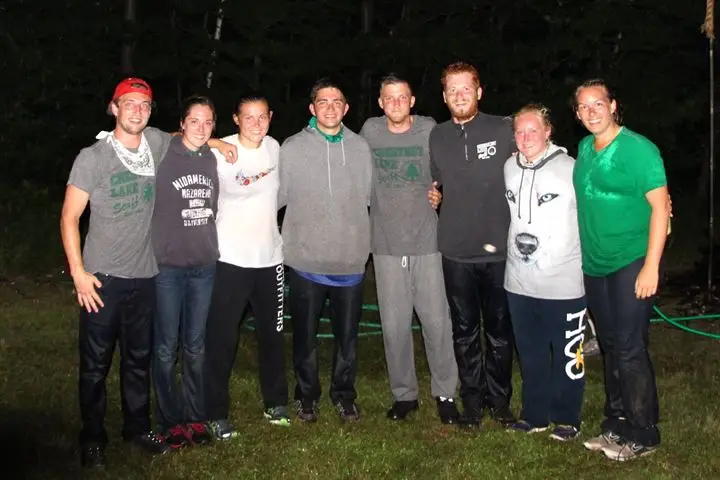
Over the past seven weeks, 654 campers have called Chestnut Lake home, and 246 staff members have poured themselves into making sure those campers had a summer they’ll carry forever. That’s thousands of moments spent connecting, millions of footsteps across camp, and more than a few well-timed reminders to “please put your sneakers on before going to tennis — Crocs are not good enough.”
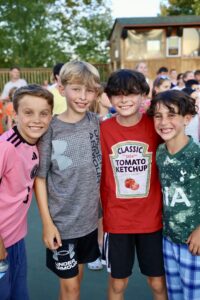 We’ve come a long way since the start of Second Session. Back then, the new campers were figuring out the map of this place — not just where things were, but where they belonged in it. In those early days, I wrote about how campers grow; constantly grow — but watching it happen is still like magic every time. The kid who could barely meet my eyes when they stepped off the bus is now belting out the Alma Mater at the top of their lungs (especially the “I’m Chestnut ‘til I die…” part at the end). The first-time counselor who thought “leading a bunk” meant giving orders learned quickly that it’s about listening, laughing, and sometimes sitting quietly with a camper who just needs to be heard.
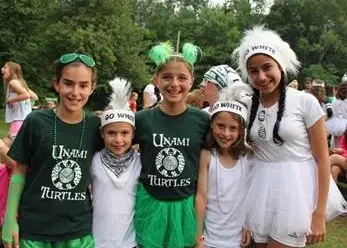
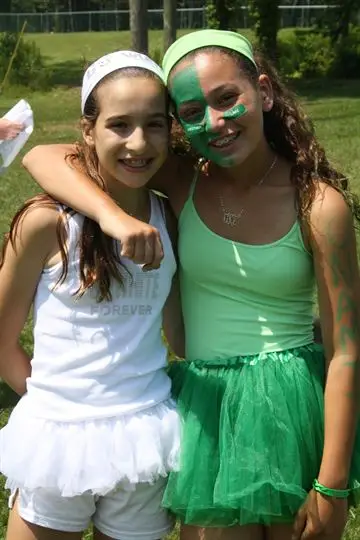
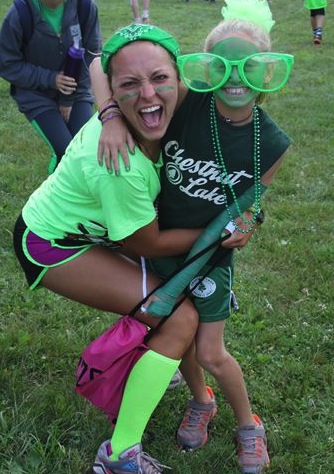
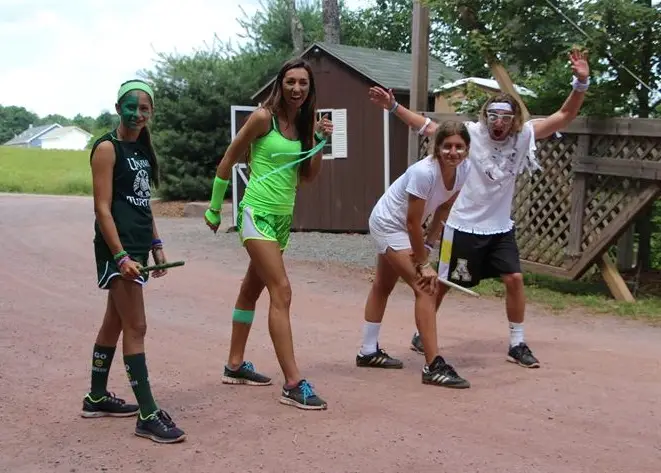
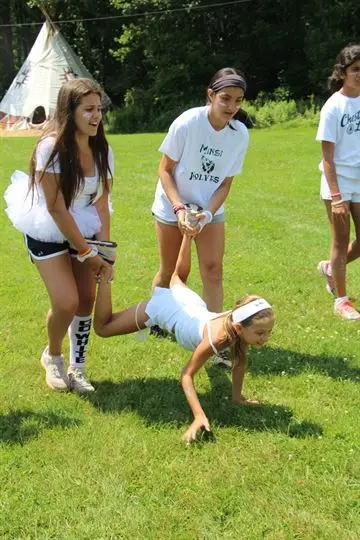
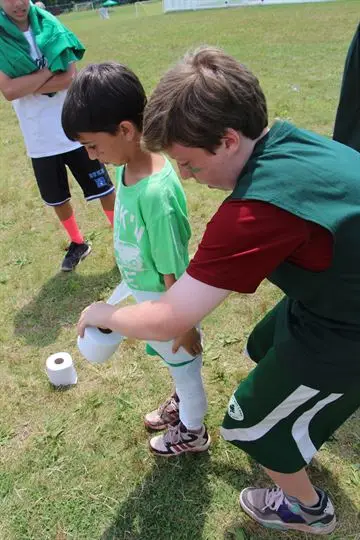
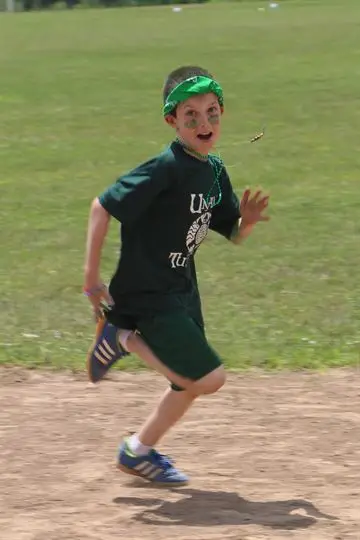
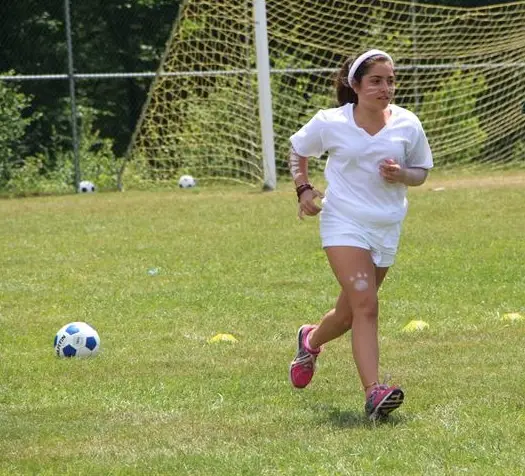
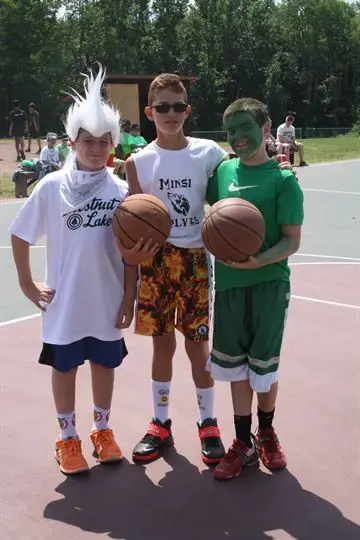
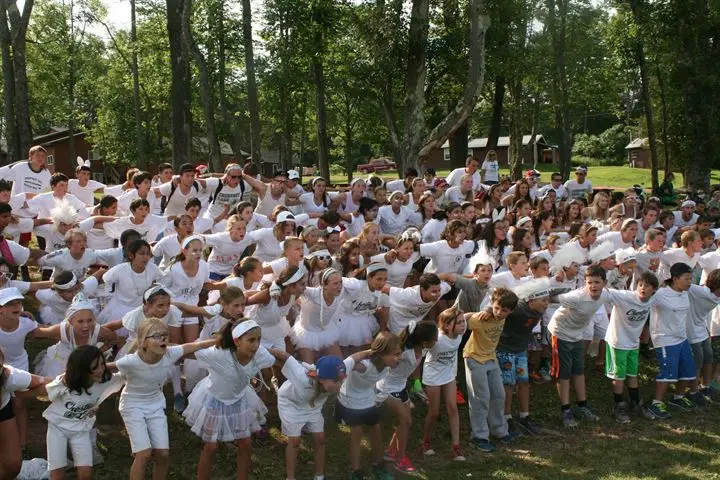
We had plenty of the headline events. Tribal returned with all its energy — a few days when camp split into Unami and Minsi, competed like their lives depended on it, and then hugged like nothing had ever been at stake. We had our helicopter landing, our massive fireworks, our banquets, our talent shows (some of which redefined the word “talent” in ways I’m still trying to process). These are the moments that make the photo albums and the highlight videos.
However, as I wrote in an earlier blog post, the important information is often found in the spaces between. In the quiet moment before a bunk takes the stage. The counselor who notices the homesick camper before anyone else. The smile that spreads across a camper’s face when they finally hit the target, make it to the top of the climbing wall, or just realize that they belong here.
There’s a saying in Michael Thompson’s Homesick and Happy: “Camp is not built on the big events, but on the thousands of small human exchanges that make children feel known, valued, and part of something larger than themselves.” I think about that when I remember:
- The camper who was too nervous to get in the lake on day one but, by week two, was racing to the Wibit with friends.
- The inside jokes born in bunks that make absolutely no sense to anyone outside them (and shouldn’t).
- The counselor who stayed up late helping a camper write a letter home that expressed feelings they hadn’t yet been able to share (and the parent who called me, thrilled to have received it).
- The look of relief and pride on a camper’s face when they nailed a skill they’d been working on all summer, finishing a beautiful ceramics project to bring home.
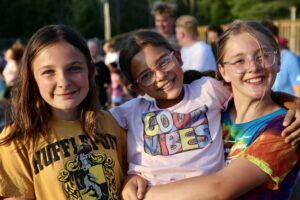 Writers have been trying to put the magic of camp into words for decades. In The Summer Camp Handbook, Jon Malinowski and my good friend Chris Thurber write: “Camp is a place where you can be your truest self — because everyone else is, too.” That’s been true here every day this summer. My colleague Steve Baskin once quoted a camper who told him, “In three weeks here, I got back so much of the confidence I’d lost.” I’ve seen that in our campers this summer — the return of confidence, the discovery of independence, the joy of finding a place where they are free to be fully themselves. And Lenore Skenazy, in an article for Let Grow, said it plainly: “Camp works because it gives kids a community, a purpose, and the space to try.” This summer, our kids tried everything — from the high ropes to waterskiing to making up an original dance or song in front of hundreds of people. And whether they succeeded or not, they were braver for trying.
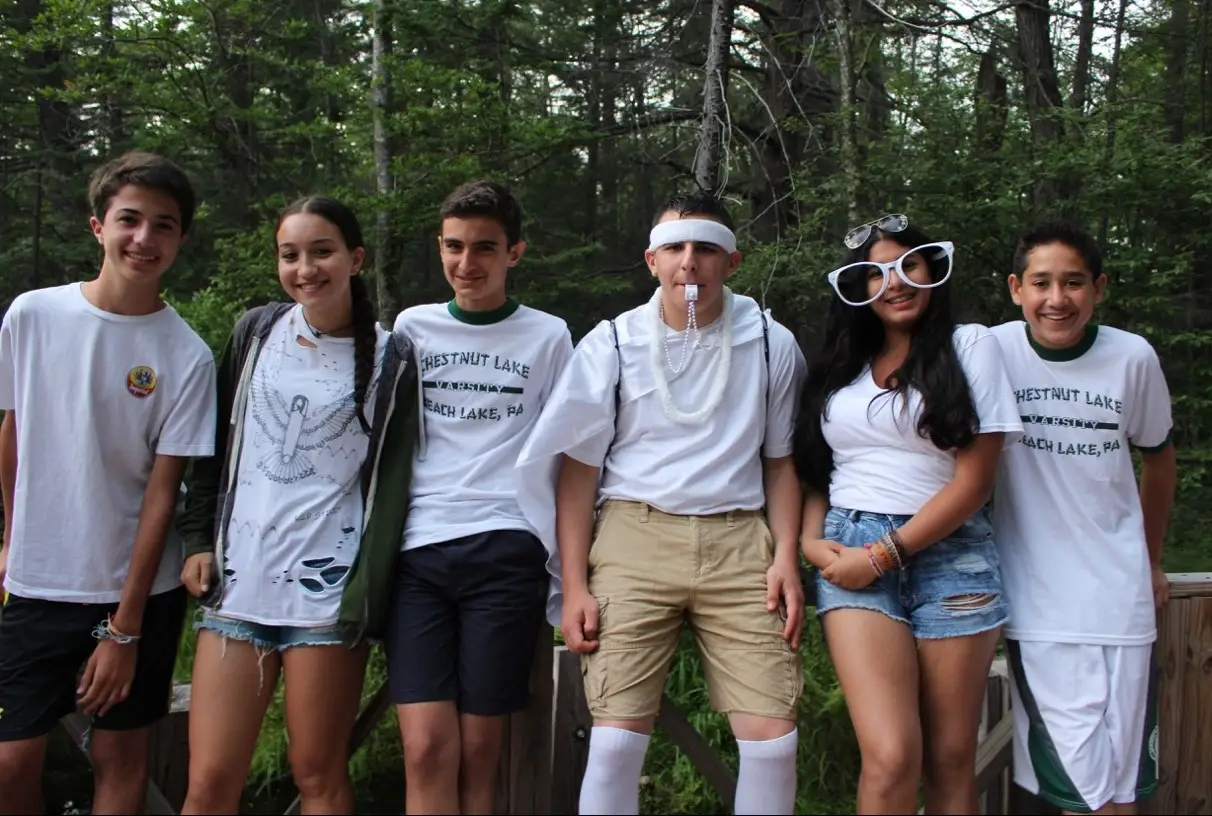
In the years to come, we’ll remember the big events. But what will stay with us — the thing that makes this summer unforgettable — will be the people. The 800 individuals who trusted us with their summer, and the friendships that will outlast the tan lines sure to fade as everyone leaves through the Main Gate soon.
 As we pack the duffels and watch the buses pull away, I’m reminded of what Anne Lamott once wrote: “Lighthouses don’t go running all over an island looking for boats to save; they just stand there shining.” Ann and I feel it’s our mission — joined by an exceptional team of professionals and seasonal leaders — to be that lighthouse, standing firmly on a foundation of commitment to excellence and integrity, ensuring that every child and adult who arrives and departs knows how to find their way with our never-ending light. This summer, Chestnut Lake shone.
Soon, everyone will be home. The days will be quieter. Laundry will get done (eventually). And then, after the grass at camp has regained its green luster following a summer full of fun, someone will text a bunkmate a random emoji, and the whole summer will come rushing back. Because Chestnut Lake isn’t just a place. It’s a feeling. It’s a community. Likewise, it’s proof that under the open sky, surrounded by friends, we grow. And those moments of growth will be etched into our minds and souls forever.
So thank you — campers, staff, parents — for making this summer one for the books. Now, go home, tell your stories, and start counting down the days to next summer.
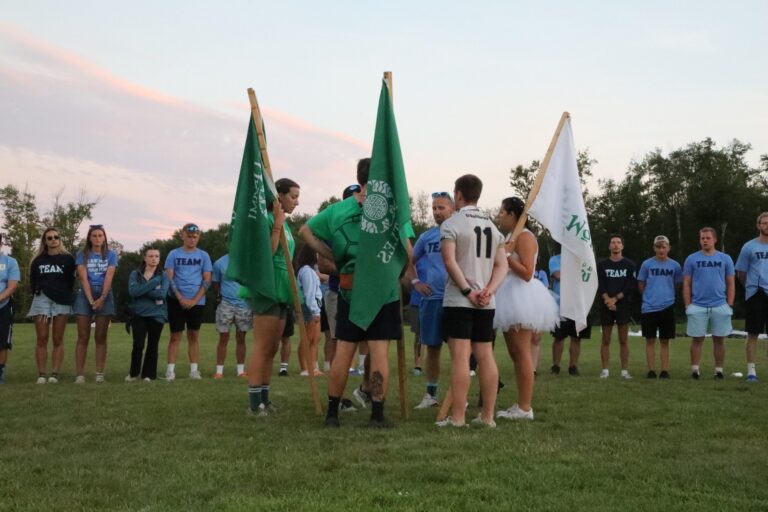
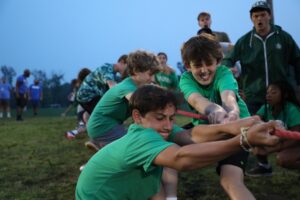 Years ago, I wrote about Color War as one of the most contradictory but profound parts of camp. After spending the entire summer building a unified community, we suddenly split it in two. Minsi. Unami. White. Green. Friends land on opposite teams. The very people who helped campers feel at home now face off as competitors.
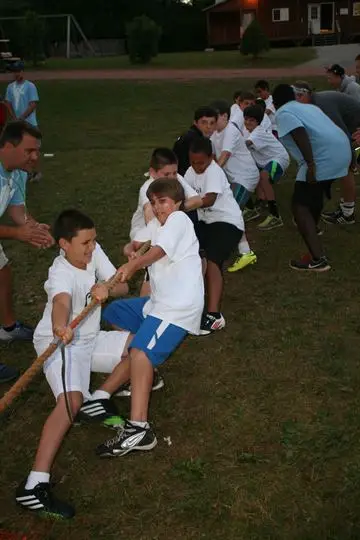
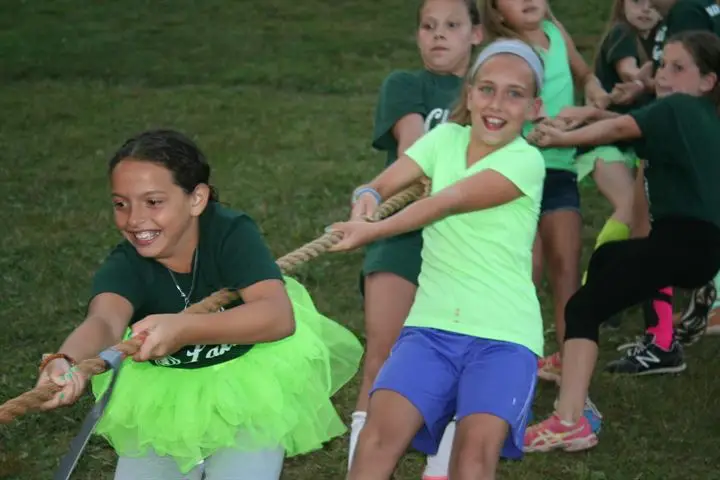
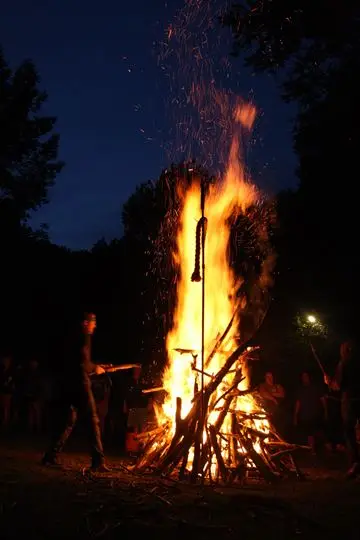
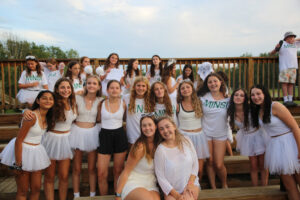 Although the tradition of Color War has come a long way since its creation (purportedly) at Schroon Lake Camp in 1916, including renaming, reframing, demystifying, and deconstructing some of the trappings to make it more effective and acceptable in today’s world, one common and consistent element can teach us a lesson. As camps strive each day to build healthy communities inside of their cabins in the woods, working dutifully to create a coalition and establish peace in these temporary homes, Color War often tests that process by making teams. Whether Green and White, different countries, or themed groups, bunkmates are divided. Friends that might usually choose their programs based solely on what the person who they sleep just a few feet away from is doing, or kids that would break up with someone if it was important to their BFF for any reason, now will spend hours upon days on opposite sides of this camp tradition. The competition can be fierce, even if the activities with the War include carrying an egg on a spoon. There are athletic contests that the entire camp may watch, rope-burning rituals that make for some of the most important moments – and awesome photographs – of the summer, and the writing and presentation of songs that can become part of the camp’s folklore forever. It’s a big deal at many camps, and no matter what camp professionals say and do to suggest that it is not the end-all and be-all of the summer, the dividing of kids and their staff between teams cannot be understated as a tricky variable. At Chestnut, we call this program, “Tribal”.
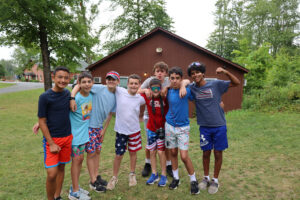 Camp leaders are not ones to do things without thought, and while they create environments that have inherent risk to give campers a chance to build resilience and independence, Tribal continues as much because of the challenge of having friends on different sides as it does despite it. They establish rules and structure for the program, of course. There are still shared values that govern the play, strong enough to sustain even when conflict arises. There are people in charge – independent and unbiased observers, referees, and surrogate parents – to shepherd the participants through their battles. There is an explicit agreement that all combatants must adhere to when the War is over: we will congratulate all for their efforts and then return to camp as we left it. There will be sad faces, tears, and lost voices, and the colored face paint may take a few days to fully disappear. But when Tribal is over, the colors fade. The issues that pitted teams against each other are over, we are back to working together for the betterment of the whole community, and the winners and losers of Tribal are just part of the nostalgia of camp with some funny or hard moments that we talk about at camp reunions for generations to come. Remember that fight song from 2009 with that line about the Unami Chiefs? Davey wrote it, and he’s now retired and living in Davie. Remember that Apache Relay from 2013 when Rachel cheated and edged Alex out at the end? Rachel is a prosecutor in the US Attorney’s office now. The fights on the fields of competition don’t linger, even if the tales of them sustain. Tribal creates stories, builds spirit, and proves that people who find themselves on two different sides of something can vie for a trophy without setting aside the decorum and humanity that is at their core.
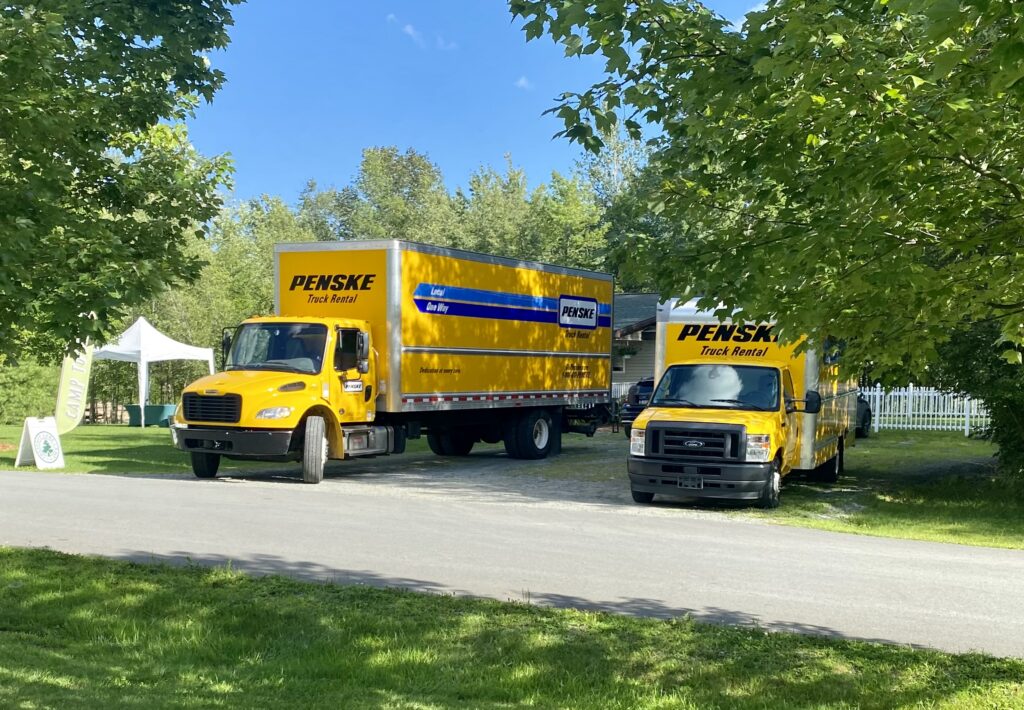 If you have not already heard about the sudden closure of Camp Trucking just over one week ago (
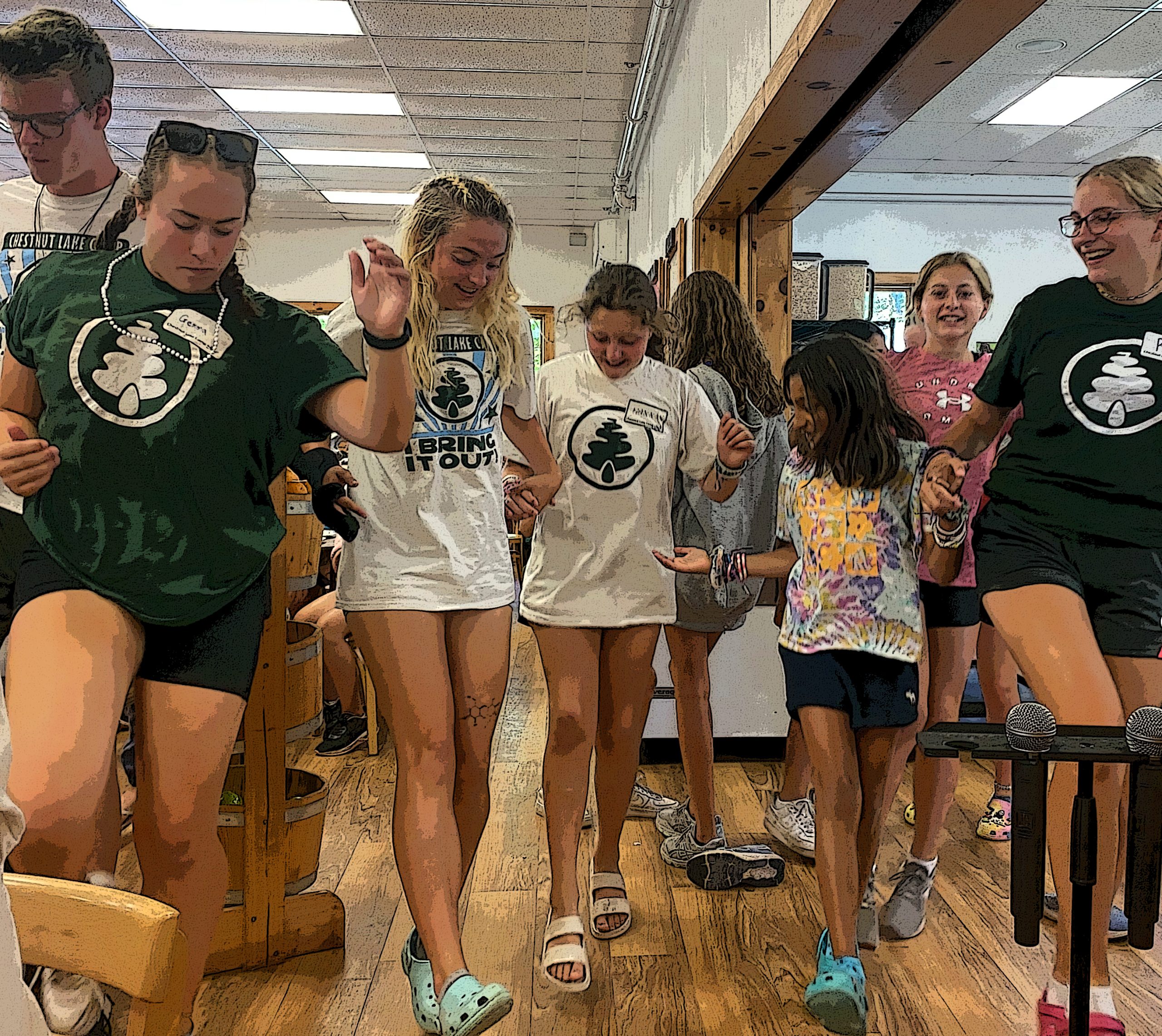 At home, we seldom get to witness the sensitivity and thoughtfulness of a young adult caring for someone else’s child in the way that it happens here. Many of our counselors – those that may have grown up here and those that have made Chestnut their new home this summer – have extended and challenged themselves to make sure their campers are safe and able to develop their own identities and independence here. There are the regular embraces, pats on the back, high-fives, fist-bumps, and kids and staff arm-in-arm that show the essence of what happens here every day that may never be possible at home. The relationship between the young adults and children at camp is one of the things that we leverage to teach and affect in a totally immersive environment, and that cannot be imitated in someone’s home or school, or most other settings. Camp is a place where we can make fun of ourselves, where we can compete with compassion, and where we can let ourselves make an incredible mess and then clean up afterward because we care about how we take care of this place and each other.
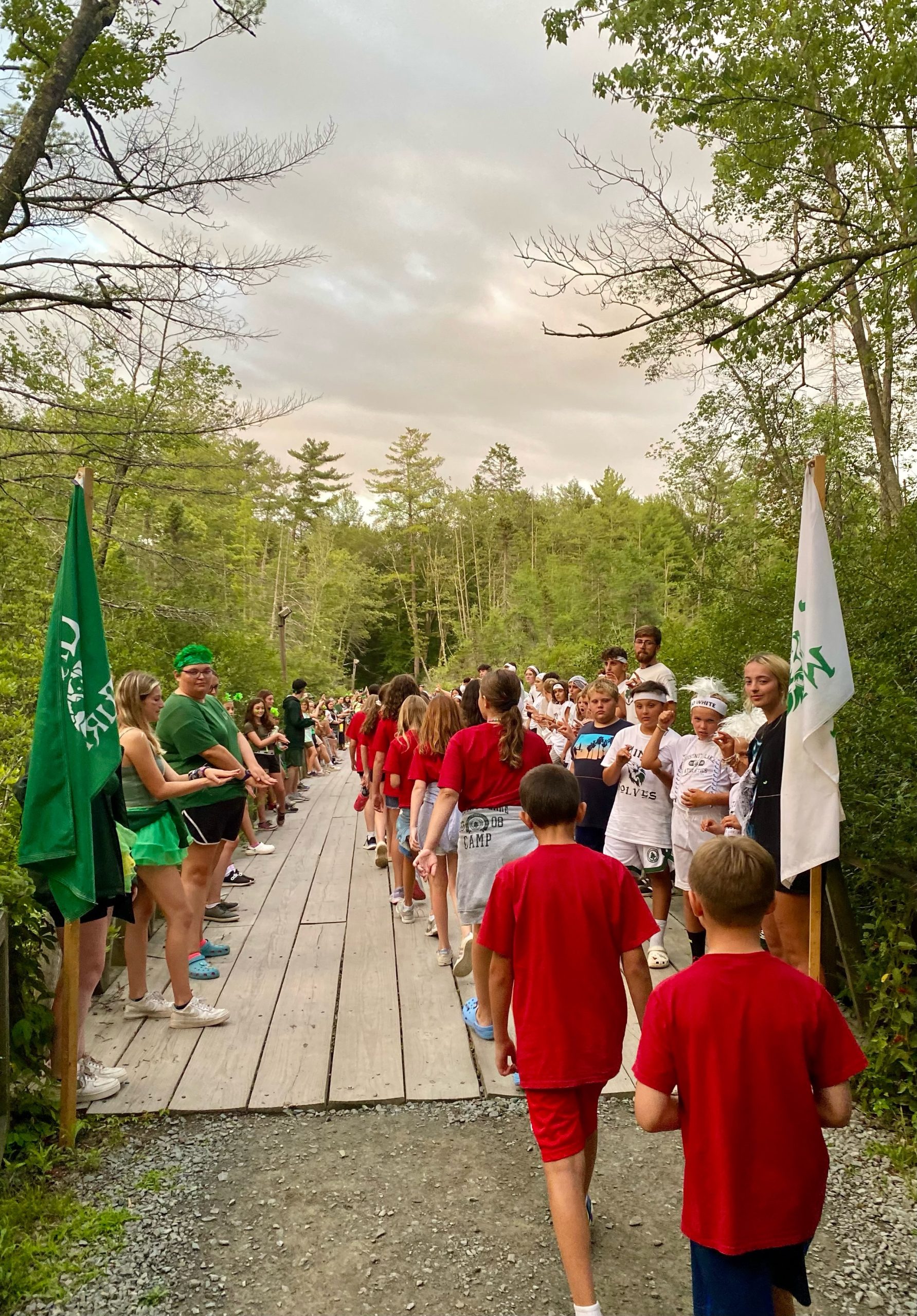 To begin, I read the Tribal Story (you can
 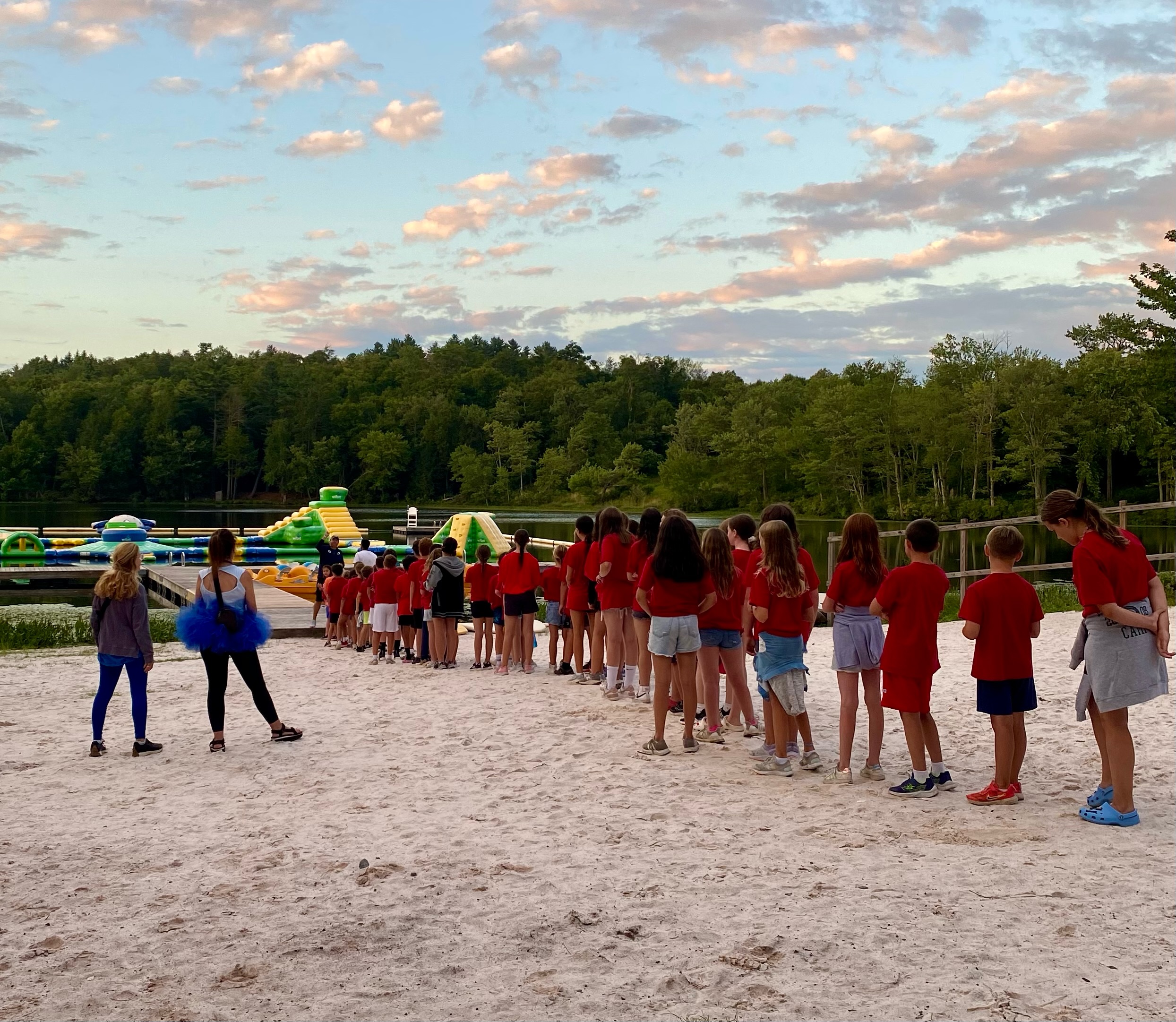 campers that have either been here all summer or are back after a previous season here are our leaders. Their job – while they are enjoying themselves and able to just be kids in such a remarkable place – is to help our new campers settle in and discover the joy that we have here in Beach Lake. During the first 5 days, they did so with 50 additional campers here to experience Discovery Camp. And now, as they continue through a sprint through our remaining two weeks of the summer, they have indoctrinated their peers into the Tribal experience. All that remains now is to wait and see when Tribal will be “broken” in a creative way, and then the actual games will begin.
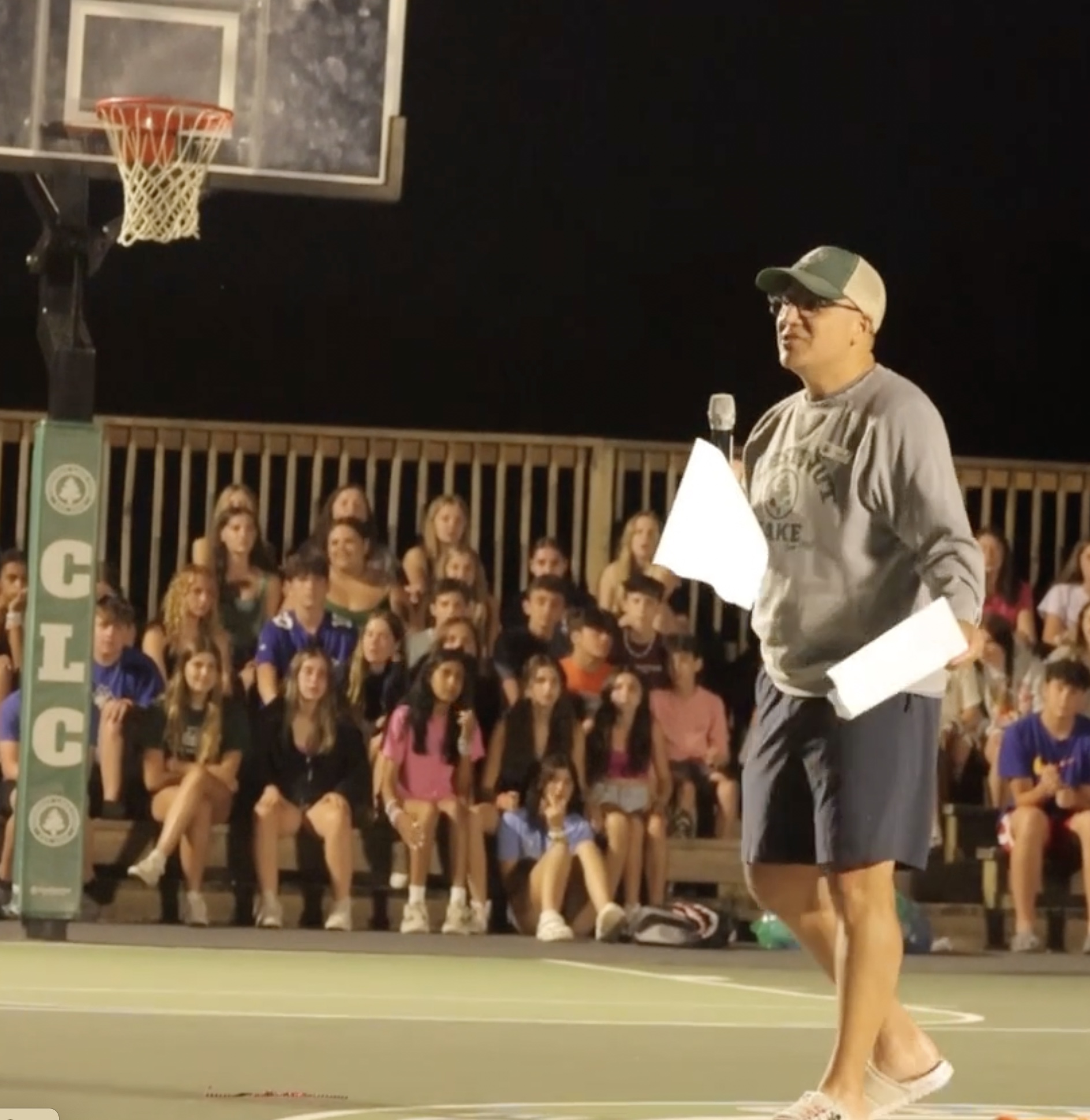 As we ended an awesome all-camp Lip Sync Battle, we turned off the lights in the Basketball Stadium and fireworks started to stream from behind in the woods. Music started blaring, and I walked with a bright orange bag in my hands to center court. Anyone at camp before knew that this was the Tribal Break and in my hands was the list of Chiefs, and any new camper jumped right in so that they, too, could claim to know what was going on. I calmed everyone down, removed the envelope from the bag, and with a bit of flair, announced a Fake Break. A moment of devastation was followed by minutes of joy. A surprise. More suspense. A bigger deal. It’s what we needed. And it is the mark of a forever camp.
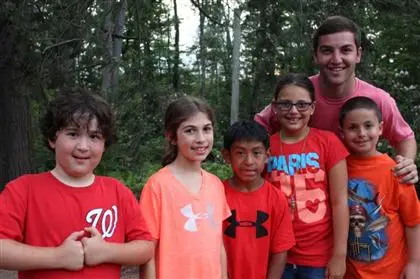
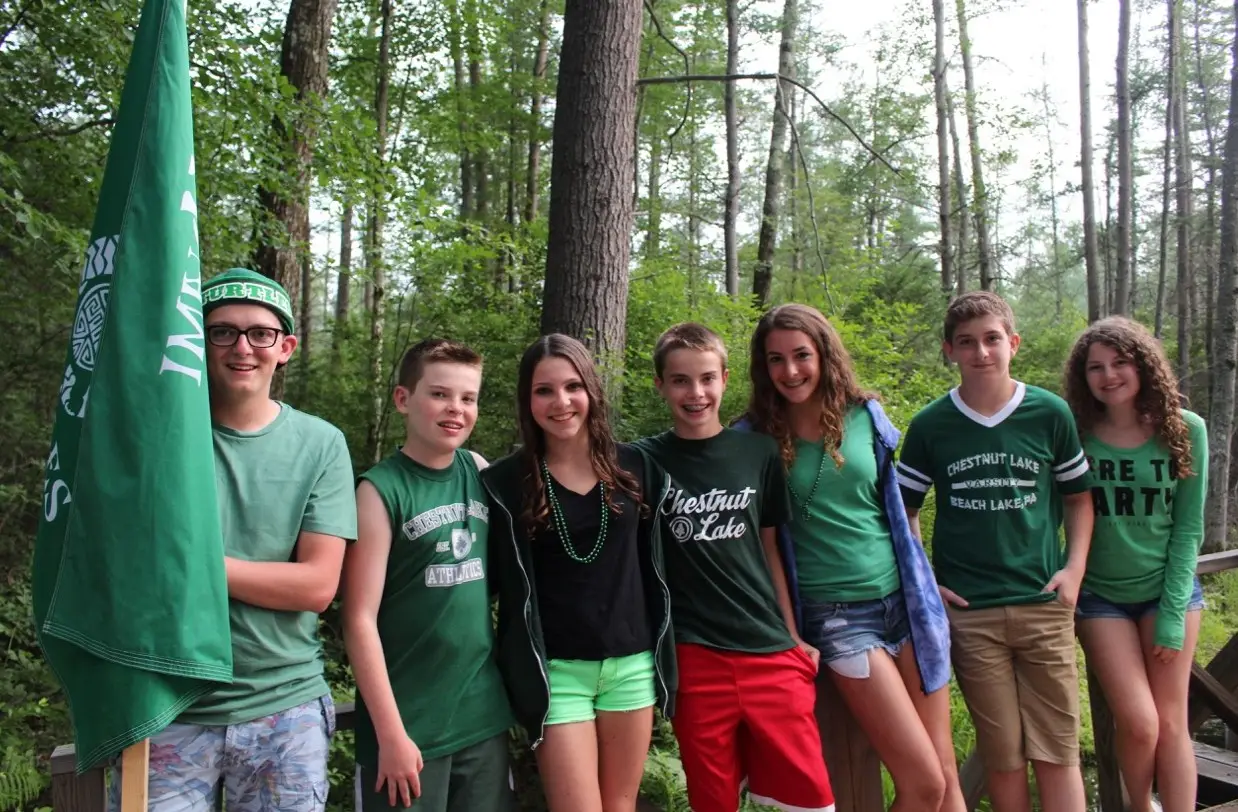
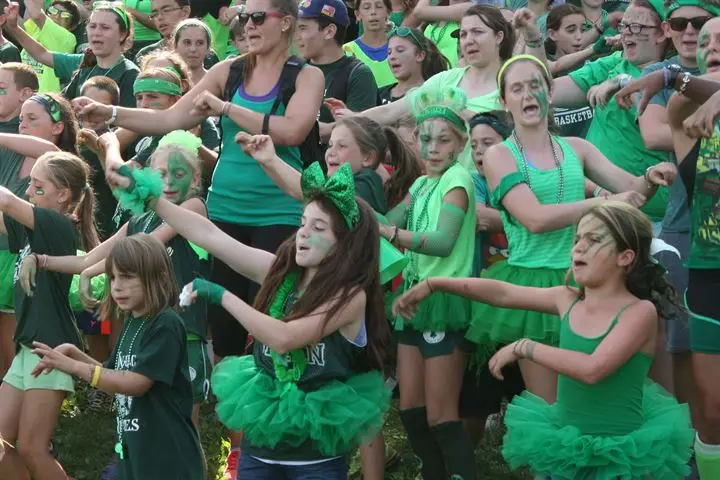
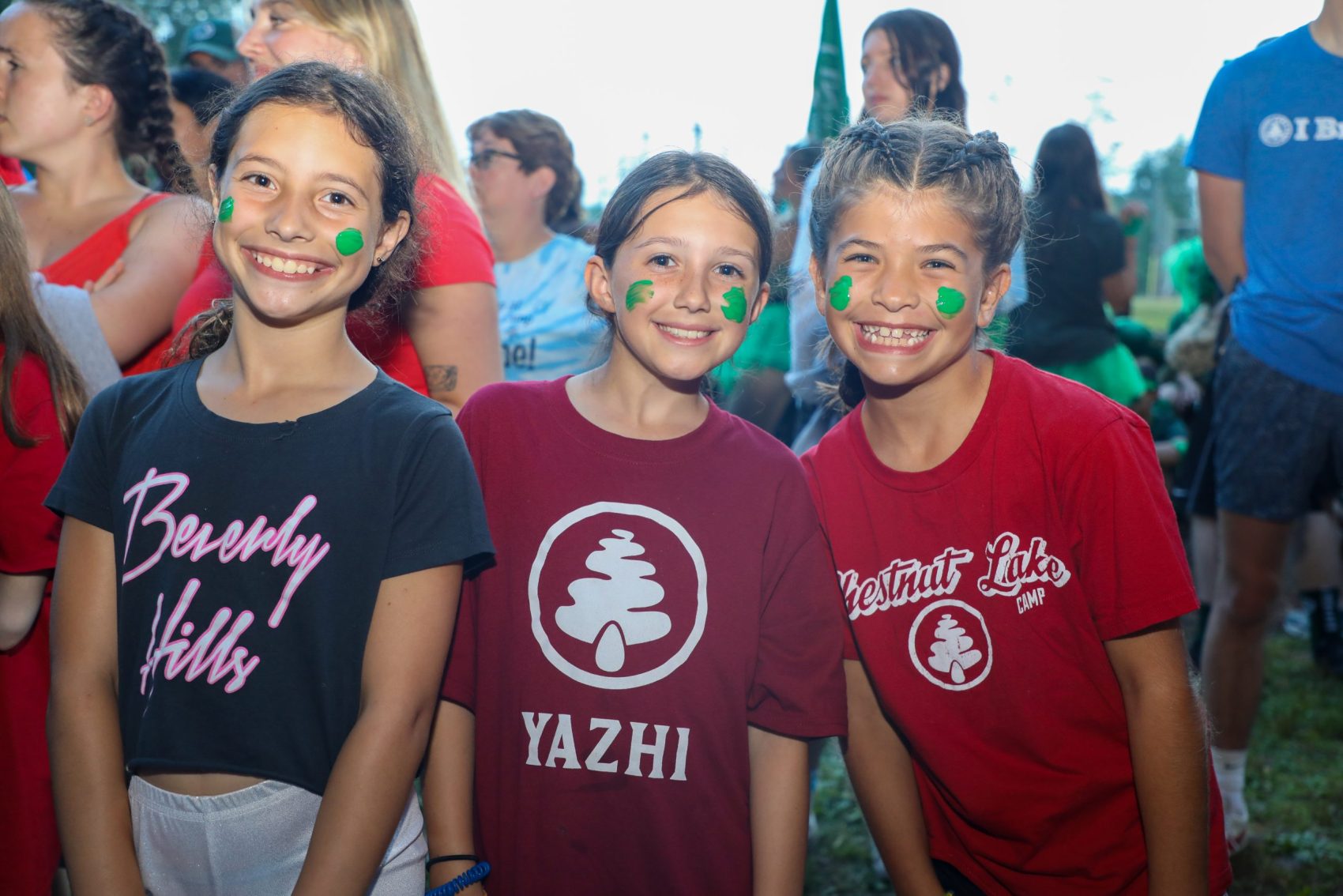 energy. Campers were seated wearing their Green Unami Turtles or White Minso Wolves spirit gear unless they were a new camper or staff member wearing red. The campers at Chestnut for their first summer had the chance to don their red Tribal t-shirt that was sent to them during the year after they enrolled in camp. The cheers from the Unami and Minsi teams – I continue to be amazed that campers away from Chestnut for 10 or 11 months can remember the many ridiculous and intense cheers that they learned in the previous summer! – were loud and passionate. I quieted the crowd, stepped to the podium in front of our entire community, and began…