

Campfire Tales | Week 2 (7/6/24)
By Aaron Selkow, Owner/Director
I lost count of how many camps I visited years ago. There have been overnight camps, day camps, specialty camps, vacation camps…so many camps. Based on those hundreds of times being immersed (sometimes briefly, sometimes for much longer) in the unique environs that camps establish and protect, I can say that there are some things that almost all camps have in common. Here they are:
- Campers without parents
- Young adult role models
- Fun and growth
- Color War
At camp, we connect young people. Of course, when families are looking for the right camp for their child, they consider the campus, the programs, the schedules, and many other facets. But at the end of the summer when they reclaim their daughters and sons and assess whether sending them away for weeks to be cared for by strangers was a good idea, they just want to hear them say, “I made a friend.” Camps create the environment within which children that start as strangers become lifelong members of an extended family with bonds that are astoundingly strong. They do this with intention, with character, and with a devotion to whatever their unique mission and methods may be. Building harmony is a mantra at camp, and yet one of the most common similarities between many camps no matter where they are and what their tradition may be is the presence of something we call, “Color War.” A Color War by any other name such as Olympics, Maccabiah, or Tribal is still a Color War – an intensive, often multi-day activity that engages the entire community in battles both inane and profound – with intensity, excitement, and the antithetical splitting of camp friends between different sides of the war.
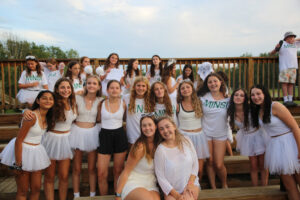 Although the tradition of Color War has come a long way since its creation (purportedly) at Schroon Lake Camp in 1916, including renaming, reframing, demystifying, and deconstructing some of the trappings to make it more effective and acceptable in today’s world, one common and consistent element can teach us a lesson. As camps strive each day to build healthy communities inside of their cabins in the woods, working dutifully to create a coalition and establish peace in these temporary homes, Color War often tests that process by making teams. Whether Green and White, different countries, or themed groups, bunkmates are divided. Friends that might usually choose their programs based solely on what the person who they sleep just a few feet away from is doing, or kids that would break up with someone if it was important to their BFF for any reason, now will spend hours upon days on opposite sides of this camp tradition. The competition can be fierce, even if the activities with the War include carrying an egg on a spoon. There are athletic contests that the entire camp may watch, rope-burning rituals that make for some of the most important moments – and awesome photographs – of the summer, and the writing and presentation of songs that can become part of the camp’s folklore forever. It’s a big deal at many camps, and no matter what camp professionals say and do to suggest that it is not the end-all and be-all of the summer, the dividing of kids and their staff between teams cannot be understated as a tricky variable. At Chestnut, we call this program, “Tribal”.
 Camp leaders are not ones to do things without thought, and while they create environments that have inherent risk to give campers a chance to build resilience and independence, Tribal continues as much because of the challenge of having friends on different sides as it does despite it. They establish rules and structure for the program, of course. There are still shared values that govern the play, strong enough to sustain even when conflict arises. There are people in charge – independent and unbiased observers, referees, and surrogate parents – to shepherd the participants through their battles. There is an explicit agreement that all combatants must adhere to when the War is over: we will congratulate all for their efforts and then return to camp as we left it. There will be sad faces, tears, and lost voices, and the colored face paint may take a few days to fully disappear. But when Tribal is over, the colors fade. The issues that pitted teams against each other are over, we are back to working together for the betterment of the whole community, and the winners and losers of Tribal are just part of the nostalgia of camp with some funny or hard moments that we talk about at camp reunions for generations to come. Remember that fight song from 2009 with that line about the Unami Chiefs? Davey wrote it, and he’s now retired and living in Davie. Remember that Apache Relay from 2013 when Rachel cheated and edged Alex out at the end? Rachel is a prosecutor in the US Attorney’s office now. The fights on the fields of competition don’t linger, even if the tales of them sustain. Tribal creates stories, builds spirit, and proves that people who find themselves on two different sides of something can vie for a trophy without setting aside the decorum and humanity that is at their core.
Last night, we experienced our Tribal Campfire. This signifies the start of the TRibal process for the session, although the competition does not begin for a bit longer. We read the Tribal Story and recited the Tribal Oath together as an entire camp. The application of the Tribal credo that we will disagree and compete with each other fairly within the rules to determine a winner, only to shake hands or high-five at the conclusion to return to being on the same team could do us a lot of good in the real world, too. For me, Tribal is an ideal where people who might otherwise be friends can grapple with divergences healthily, never forfeiting their convictions or dedication to a cause, but also accepting that their adversary is only wearing a different color t-shirt. Seeing them wearing that color is okay, but holding that color against them is not.
Last night, we initiated all of our new campers and staff into the Tribal tradition. The first-time members of the community wore (proudly) their red Tribal shirts, only to discover before the end of the night whether they would forever be a Unami Turtle (Green) or a Minsi Wolf (White). Seeing the face paint applied by our leaders to each new community member and then watching them reveal their color to the Green and White teams is always special. It was very much so again last night.
Your kids here are enjoying so many moments that can change them. They can become whomever they choose, safe here in Beach Lake and encouraged to stretch themselves. Tribal is a chance to do just that. It’s not about colors. Not about mascots. It’s a test of how willing they are to embrace camp and put themselves into whatever comes their way. It’s a camp thing. It’s Tribal.
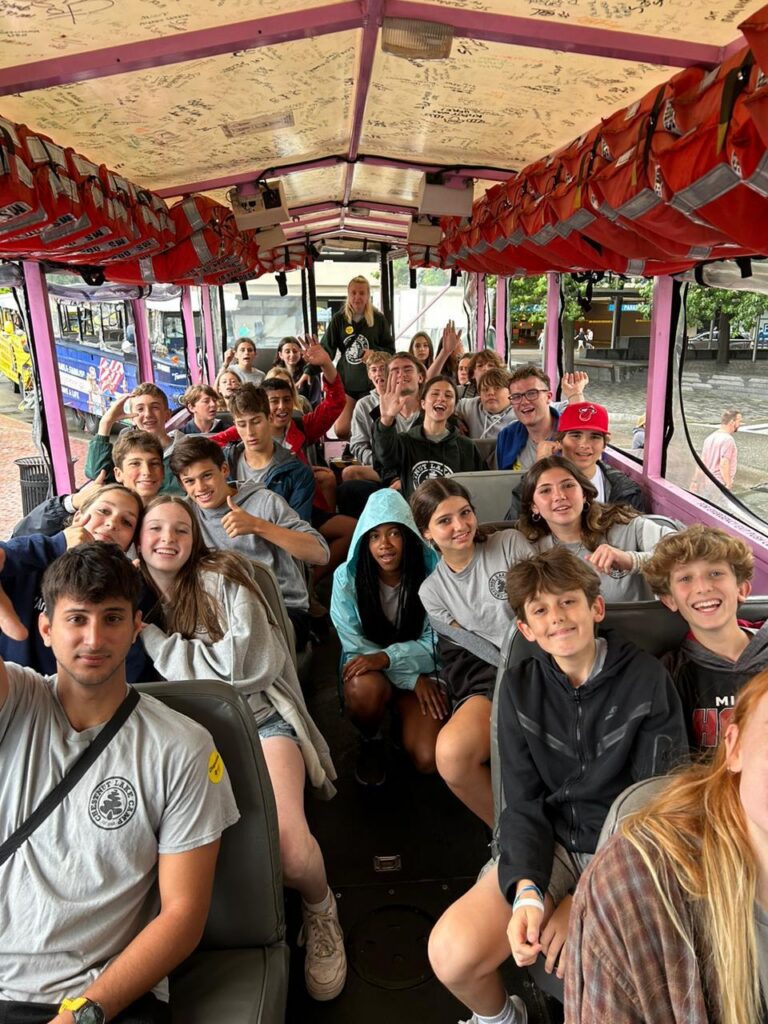
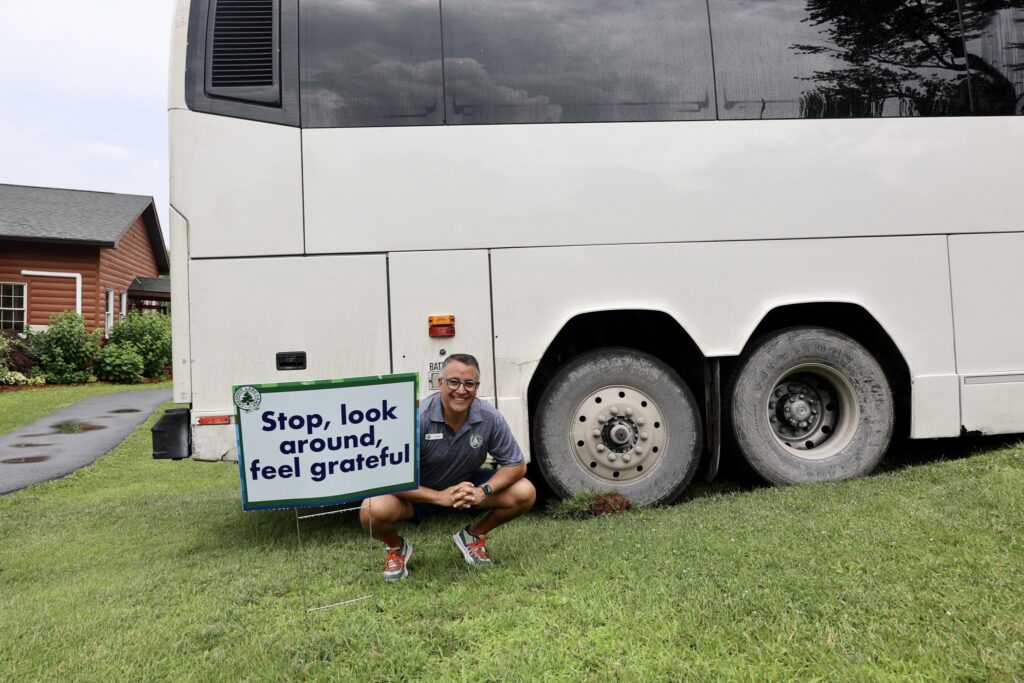 One moment that might have felt like a bad omen at the start of the Disco week was the arrival of their bus. Half of the campers in the program come from New York City and a partnership with the 92Y (and their amazing day camp), so we welcomed a charter bus during our Second Session drop off. The driver was told to back up to make his way out of camp, and he instead decided to drive forward. Then he backed up. Then he got stuck on wet grass. Then he hung his bus up on the road, unable to move. And then we towed the bus. The photo (see inset) is a classic.
 take on more responsibility, and gain independence, and these summers are the ones that all younger campers will aspire to reach. At Chestnut, we are still growing up in this aspect of our camp’s development.
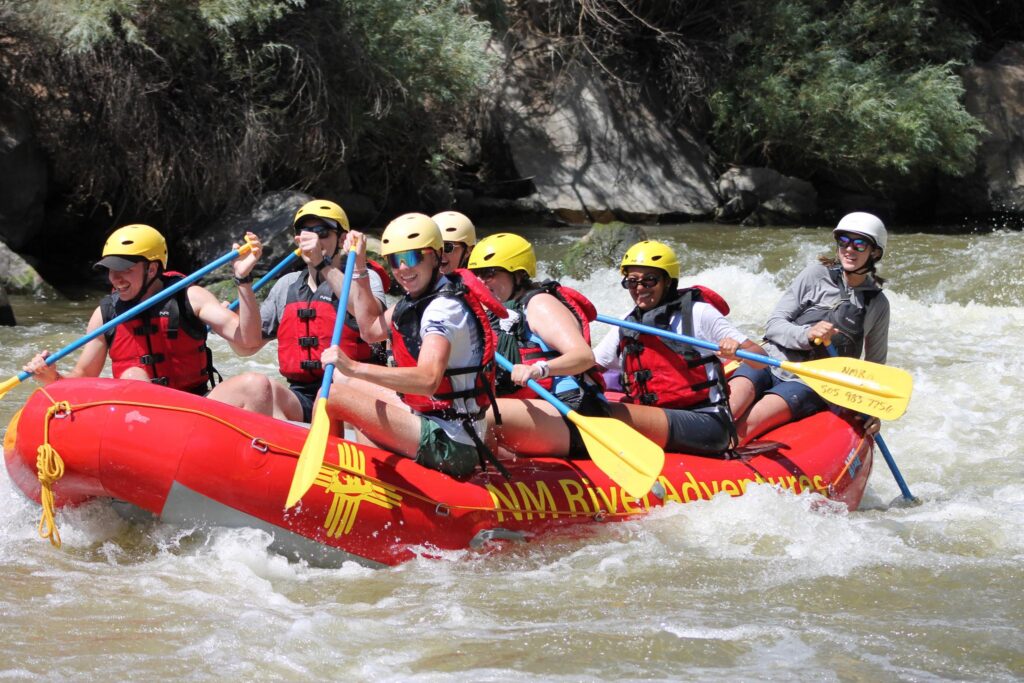 and that led to a few years of no major trips off-site. It was hard each year to make that decision, and though we look back and feel it was the right choice, it increased the build-up of anticipation and pressure for this year’s trips to finally get back off-site (including overnight versions). Just a few days ago, we completed all of our First Session trips and there is no doubt that these will turn out to be highlights for many campers. None more important than what our Varsity campers experienced.
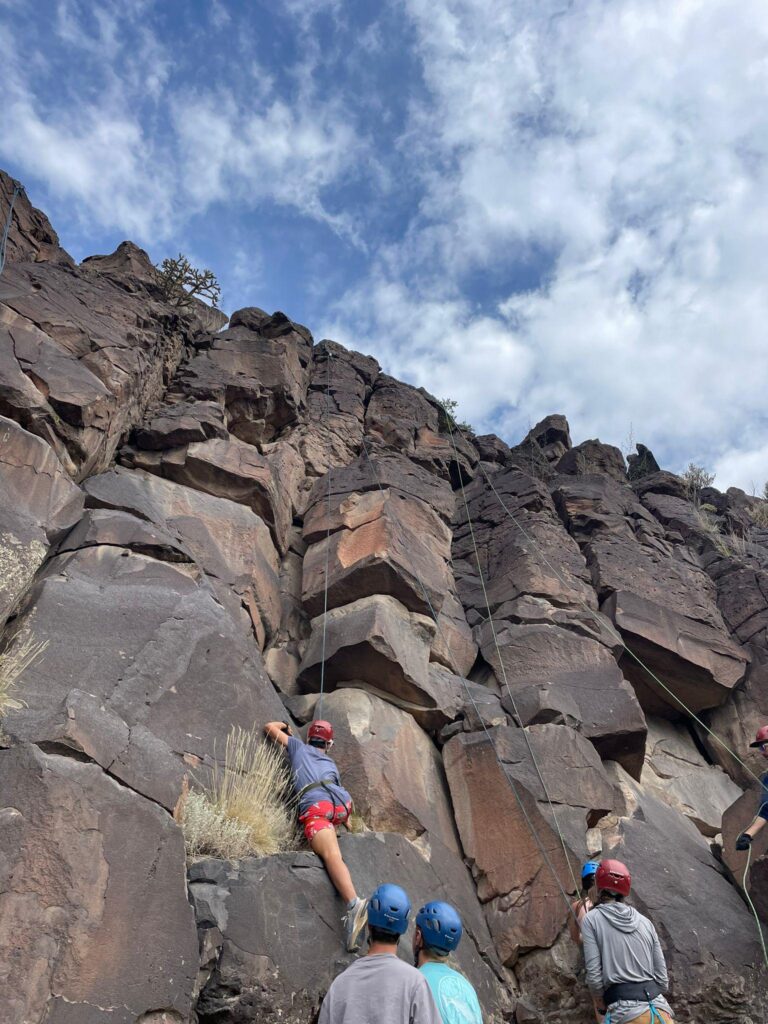 Albuquerque, including time spent sledding sand dunes and exploring Southwestern culture. But it’s the strength in their resolve, their adventurous spirit, and the bonds that were made deeper between them that have truly stood out. They even dealt with a stomach bug that has taken down many of our kids and staff for a short time, though our Varsity 2s would not let that keep them from enjoying this trip to the fullest. Now that they are back at camp, we continue to honor them (and their V-1 peers) for being trailblazers, both literally and figuratively. Our hearts are filled with pride, and we know that the campers that follow them are already hearing the stories and are excited to follow in their footsteps. This is how young camps become more “mature.”
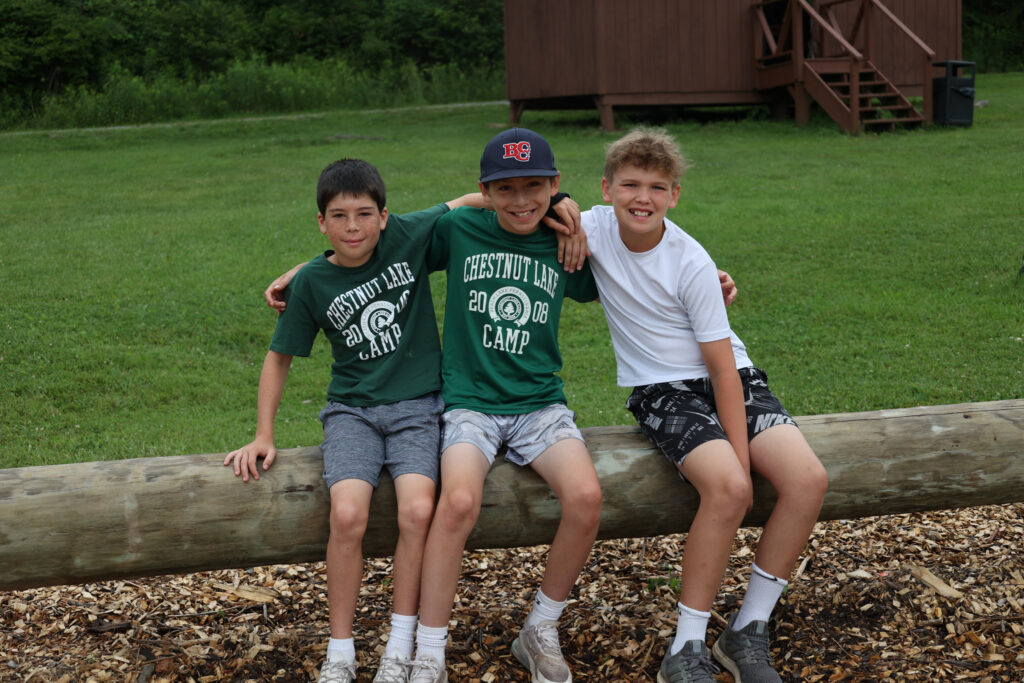 engagement. At the same time, the feeling at this point that we’re camp veterans with connections already running so deep is just as important. A great session comes when you’re immersed in camp life, including the emotional relationship that starts to form making camp feel like a second home.
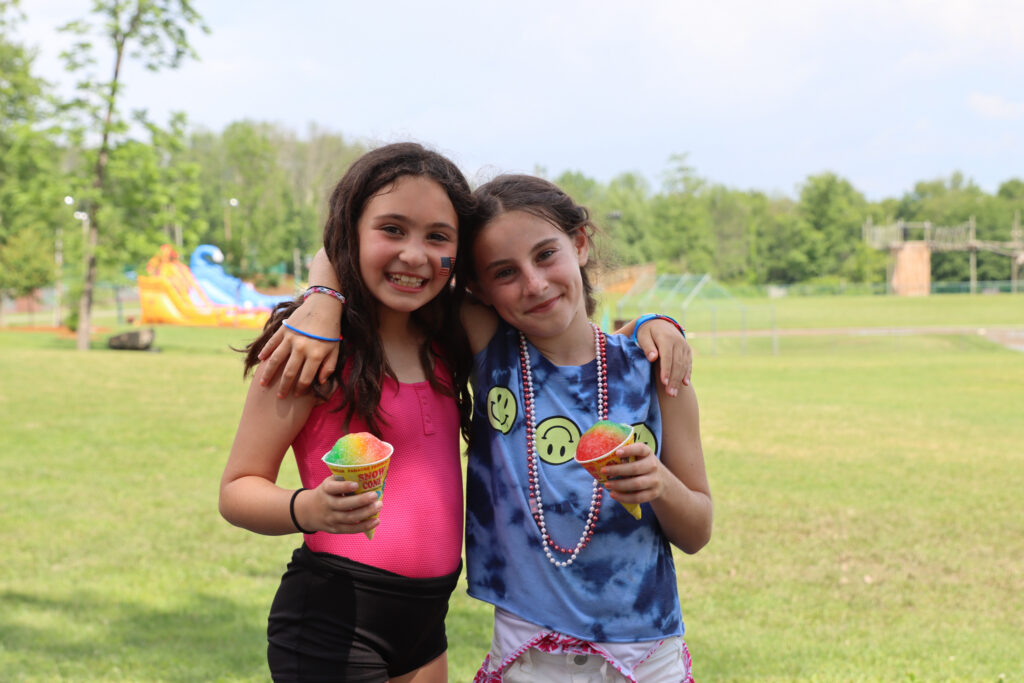 to elevate the program for all ages, and that is only going to intensify. We’ve had intercamp games, the start of rehearsals for the musical, Varsity-led activities like Casino Night, Rak Dan dancing, and our own Talent Shows. The Lip Sync competition was inspiring, but so have been countless moments in and out of the cabins watching campers start to really build friendships and make memories that will last. As we move into Week 3, expect to see and hear about our first field trips off-site, the return of our 9th/10th-grade participants after spending multiple days in New England or New Mexico, more Specialty Camps and Academies, Late Nights for teens, pool parties, Lake time, big art projects, more campfires and Community Service Awards, and the list goes on and on.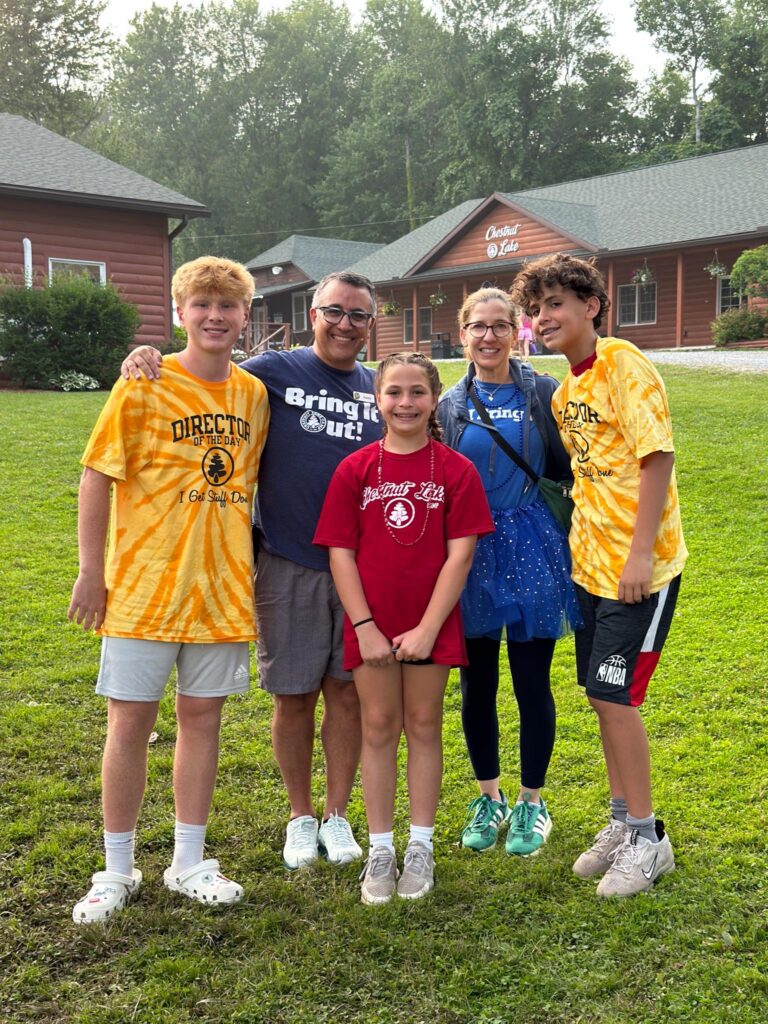
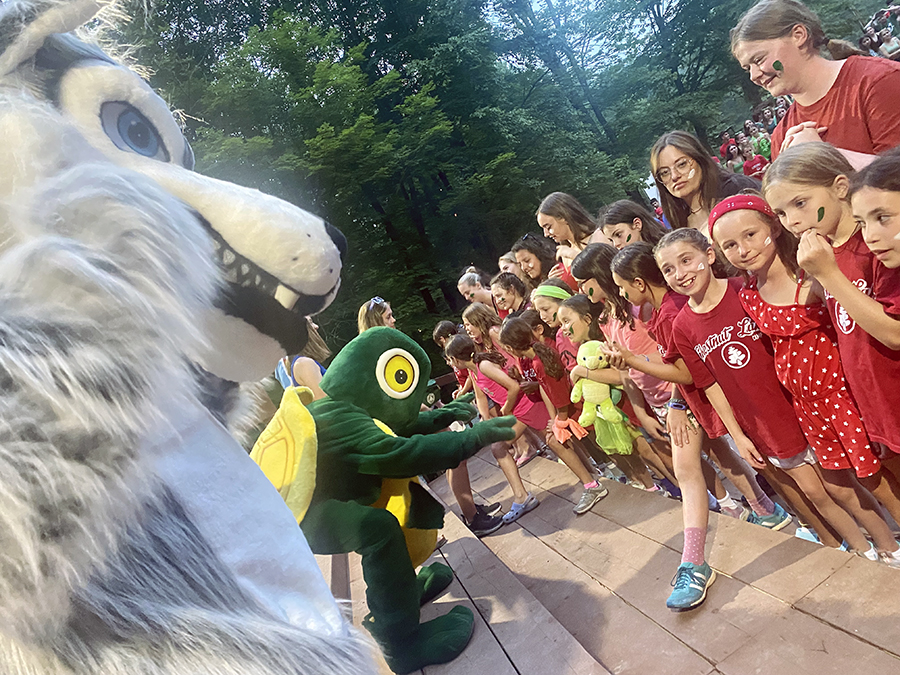 and the moment was compounded by celebrating in our new outdoor space: the Great Lawn. As the new campers and staff (wearing red) came through the green and white procession, they arrived to find Chestnut’s new performance stage and amphitheater that will be used for campfires, camp musical shows, and so much more. We retold the story of Tribal as we lit our first giant campfire in the new steel fire ring featuring the Chestnut logo etched into the side. Campers and staff found out their Tribal assignments with deafening cheers from their teammates and the Unami and Minsi mascots dancing across the stage. The lore of Tribal mixed with coming together at the Great Lawn for the first time made for a spectacular activity and a fitting end to the first week.
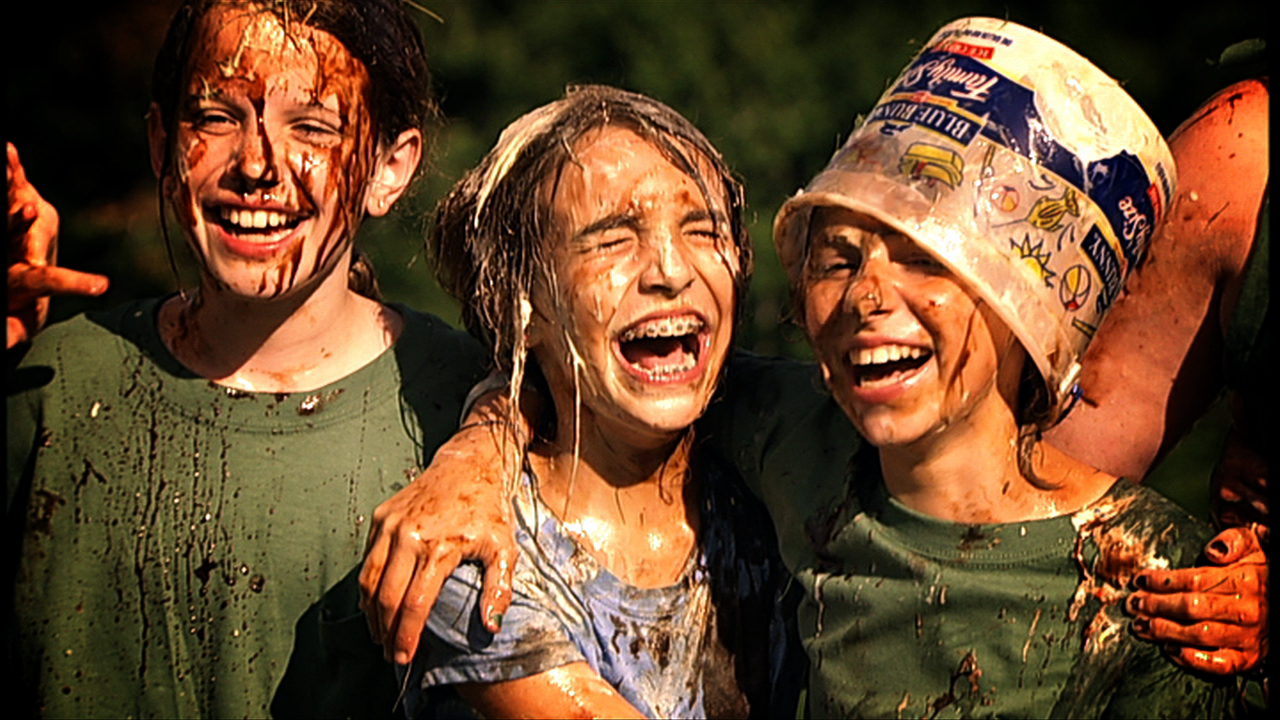
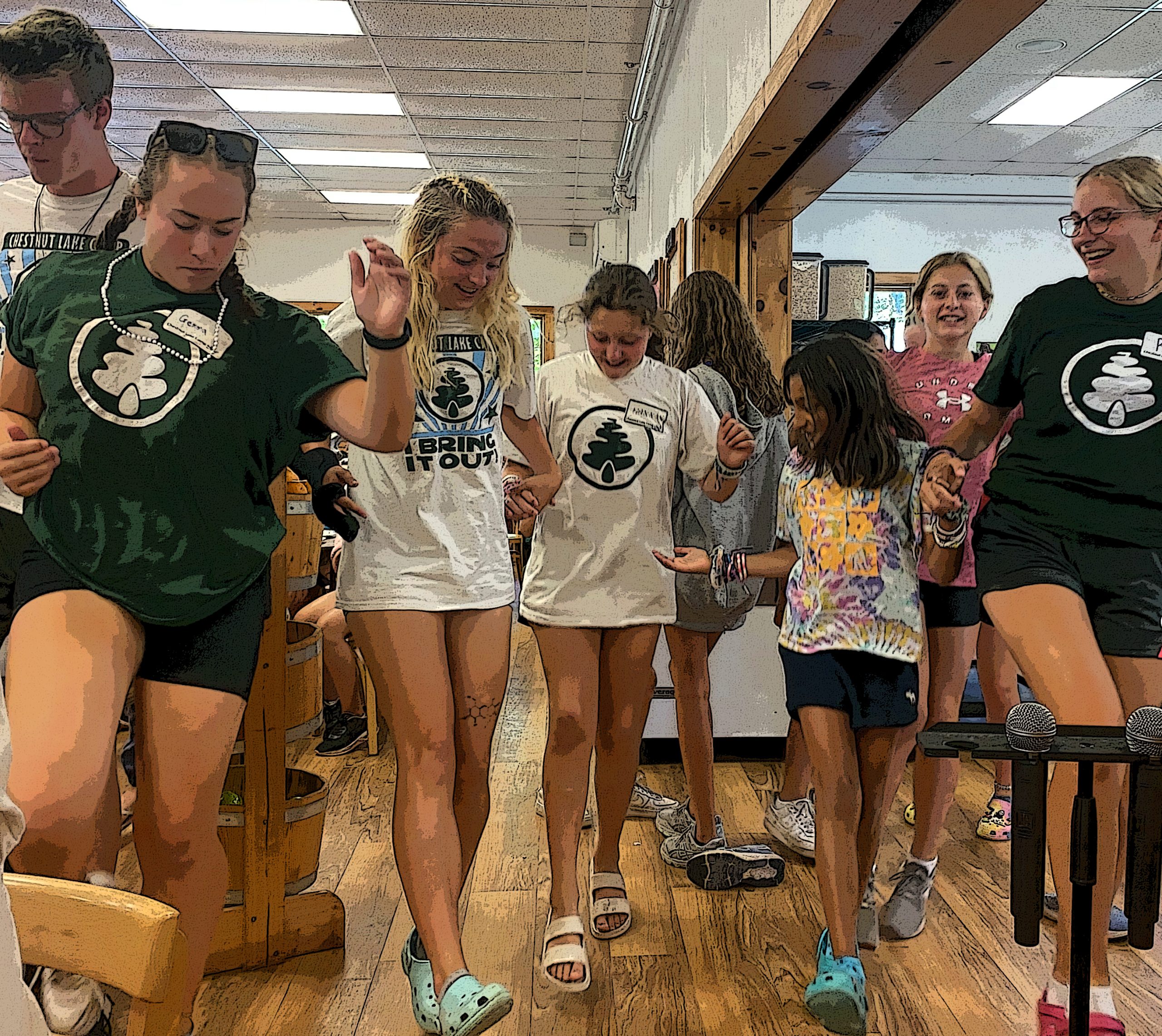 At home, we seldom get to witness the sensitivity and thoughtfulness of a young adult caring for someone else’s child in the way that it happens here. Many of our counselors – those that may have grown up here and those that have made Chestnut their new home this summer – have extended and challenged themselves to make sure their campers are safe and able to develop their own identities and independence here. There are the regular embraces, pats on the back, high-fives, fist-bumps, and kids and staff arm-in-arm that show the essence of what happens here every day that may never be possible at home. The relationship between the young adults and children at camp is one of the things that we leverage to teach and affect in a totally immersive environment, and that cannot be imitated in someone’s home or school, or most other settings. Camp is a place where we can make fun of ourselves, where we can compete with compassion, and where we can let ourselves make an incredible mess and then clean up afterward because we care about how we take care of this place and each other.
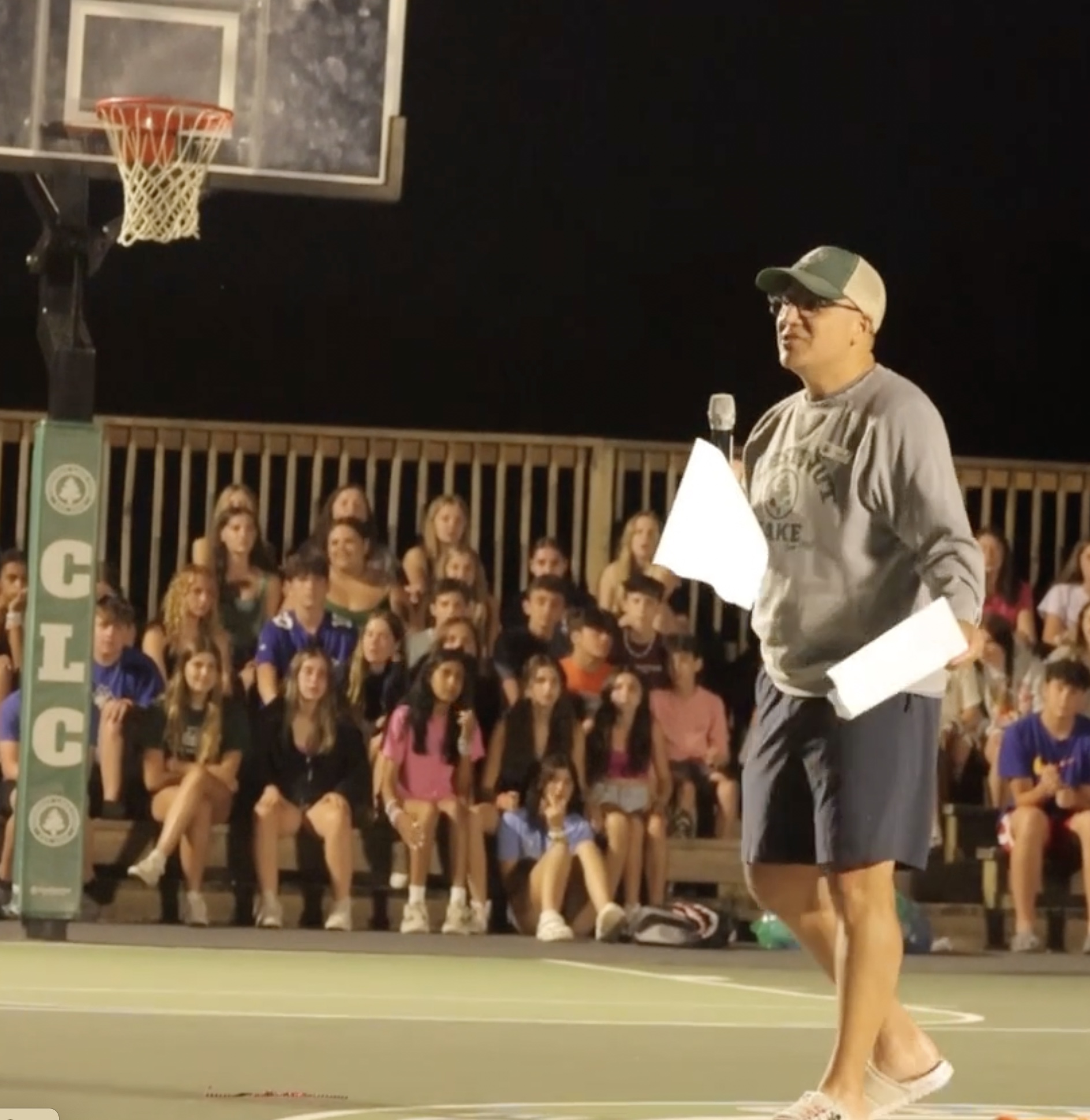 As we ended an awesome all-camp Lip Sync Battle, we turned off the lights in the Basketball Stadium and fireworks started to stream from behind in the woods. Music started blaring, and I walked with a bright orange bag in my hands to center court. Anyone at camp before knew that this was the Tribal Break and in my hands was the list of Chiefs, and any new camper jumped right in so that they, too, could claim to know what was going on. I calmed everyone down, removed the envelope from the bag, and with a bit of flair, announced a Fake Break. A moment of devastation was followed by minutes of joy. A surprise. More suspense. A bigger deal. It’s what we needed. And it is the mark of a forever camp.
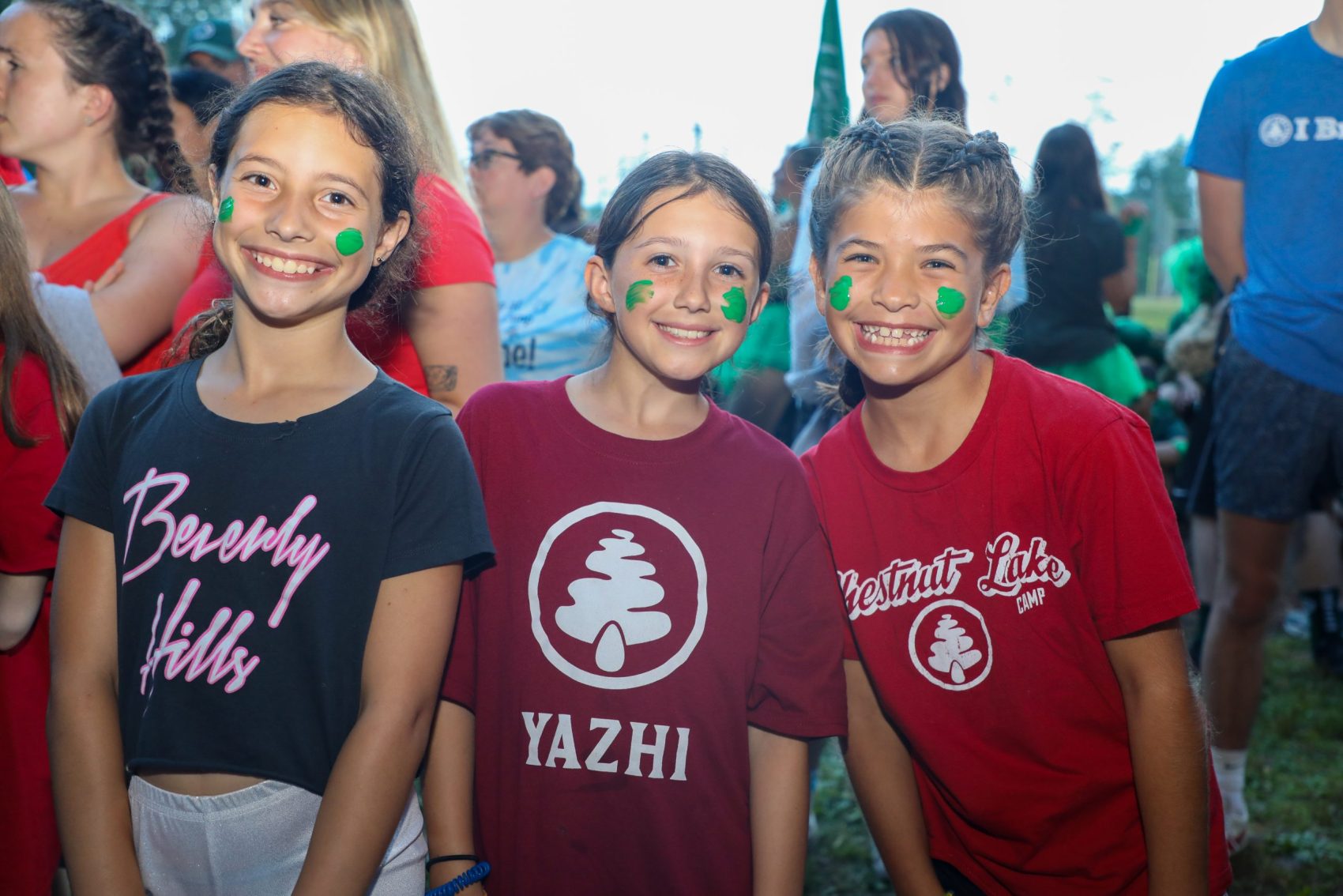 energy. Campers were seated wearing their Green Unami Turtles or White Minso Wolves spirit gear unless they were a new camper or staff member wearing red. The campers at Chestnut for their first summer had the chance to don their red Tribal t-shirt that was sent to them during the year after they enrolled in camp. The cheers from the Unami and Minsi teams – I continue to be amazed that campers away from Chestnut for 10 or 11 months can remember the many ridiculous and intense cheers that they learned in the previous summer! – were loud and passionate. I quieted the crowd, stepped to the podium in front of our entire community, and began…
 The real connection I had to Todd was born out of the way that he spoke to me and the way that he treated me. He shared his passion for various things in a way that was enthralling, and he was an incredible storyteller who had the ability to draw me in. He would share tales from history, from the wide variety of musical interests that he had, from his travels around the world, and he taught me about morals and ethics that were important to him and that he felt should be important to me. Todd kept much of his personal and family life totally private – I don’t remember if he was an only child or had siblings – but he seemed to care about everything I was willing to share with him. He advised me when I struggled with things, he gave me a shoulder to cry on when Heather told me that she wouldn’t go to the dance with me, he protected me from Charlie when he assailed me after a basketball game, and Todd let me know of his displeasure when a few of us stepped outside the lines and got caught sneaking out to another cabin in camp.
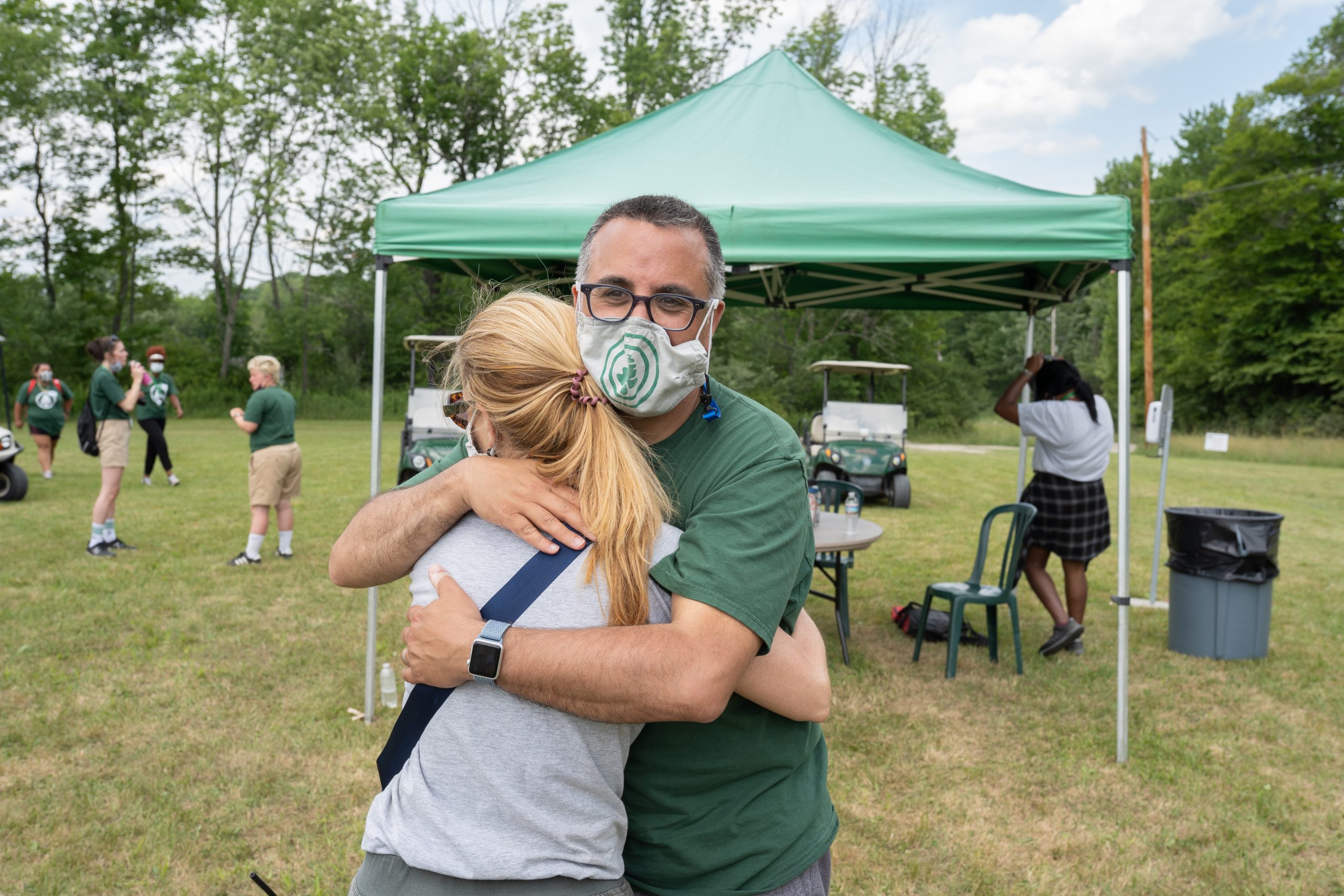 The time away from camp has certainly had an impact. The trees on our site are a bit taller, and so are many of the campers. Nearly two years of development has returned campers and staff to us looking a bit different, but I think they are also wiser. Many have developed more grit, and the events of the last 15 months have stretched your children’s capacity to adapt. But they’re still kids. We can see some of the familiar signs of adolescence and our counselors are supporting the typical feelings of separation from home, as we know that it takes a little while to get into the groove at camp. But being able to see campers here – to see them walking, running, hanging out, eating, playing – is such a gift. Their spirit and laughter are contagious, and we’re ready to leverage and celebrate it every day this summer.