

Campfire Tales | The First to Walk the Path (7/4/25)
By Aaron Selkow, Owner/Director
The first week of camp is wrapping up, and if you’ve ever been part of a camp community, you know what a big deal that is. That first week is everything. It sets the tone. It’s when friendships are sparked, trust is built, routines take shape, and the air starts to feel like summer in a way that only camp can deliver.
And here at Chestnut Lake, the first week has been, in a word: amazing.
The kids have been all-in, trying new things, making new friends, showing kindness, and cheering each other on. The staff have been exactly what we hoped for — present, prepared, and full of heart. Even the weather has smiled on us, which is not something we take for granted in the Poconos. We’ve had some of those golden summer days that feel like they were tailor-made for running around, lake excitement, and community campfires.
But what’s really made the week stand out isn’t just the fun or the sunshine. It’s something deeper.
It’s leadership.
 Leadership is one of those things we talk about a lot at camp — not because it’s a buzzword, but because it’s a living, breathing part of everything we do. At Chestnut Lake, leadership isn’t about being the loudest voice or the one with the most experience. It’s about presence. It’s about intention. It’s about knowing that your energy affects others in your cabin group, the people at an activity, and choosing to make that energy positive.
And this summer, we’re seeing that kind of leadership show up in all corners of camp. We’re seeing it in counselors who kneel to talk to a camper with kindness and empathy. We’re seeing it in Division Leaders who stay up late to make sure everything’s just right for the next day. We’re seeing it in quiet moments — when a program leader includes a camper who’s standing off to the side, or when a staff member picks some trash up off the ground without being asked.
But there’s one group that I want to highlight, because what they’re doing is not only meaningful — it’s brave.
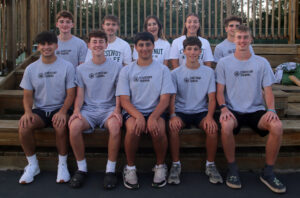
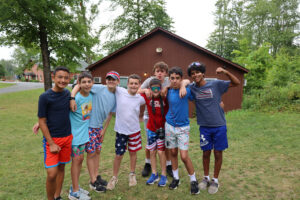
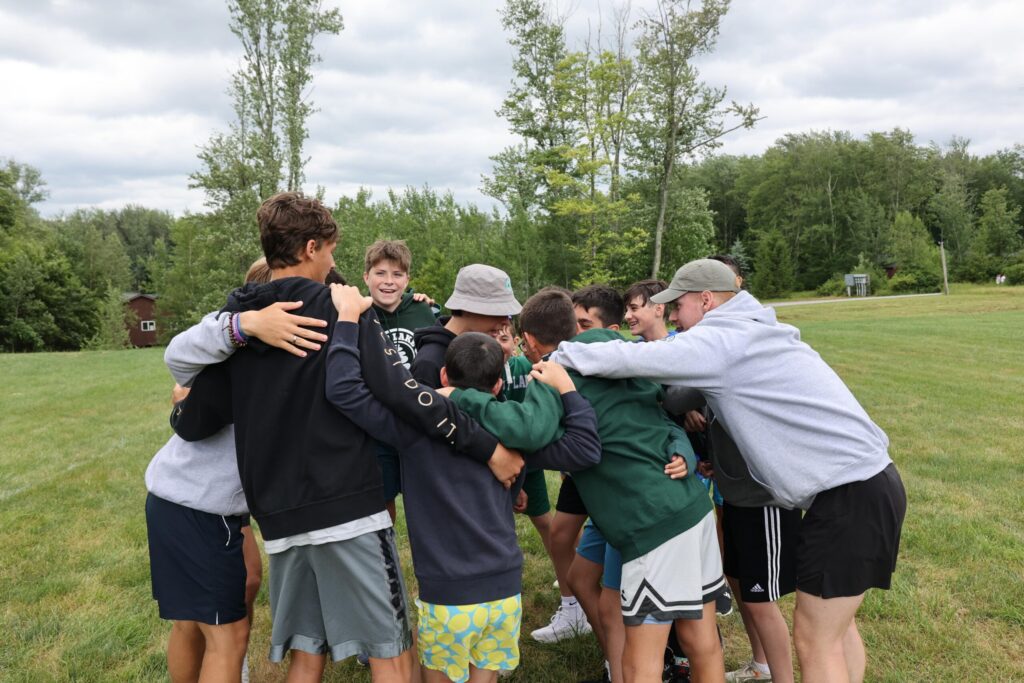
This summer marks the beginning of our revamped Leadership Training (LT) Program, and we have eight returning young men who stepped up to be the first to walk this new path. These are campers who have grown up at Chestnut Lake. They know the traditions, the way it feels to be a camper here. And now, they’re in the in-between: no longer campers, not quite staff, but something entirely new.
They are trailblazers.
That word — trailblazer — feels right. Because what these boys are doing isn’t just participating in a program that already exists. They’re building it. With the help of a dynamic team of staff members, they’re shaping what this program will become for years to come. They’re leaning into the unknown. They’re choosing to lead without needing credit, to serve without needing recognition, and to give without expecting anything in return.
On their very first day, we asked them to reflect on what kind of leaders they wanted to be. They were given a simple prompt and a big question. What they gave back was something honest and real.
“We’re learning to lead by doing. We want to be patient and calm but also assertive and clear. We want to show up, be open-minded, and work together. We want to lead by example, by choice — not just because someone tells us to.”
Those aren’t the words of teens pretending to be leaders. Those are the words of young adults who are becoming leaders.
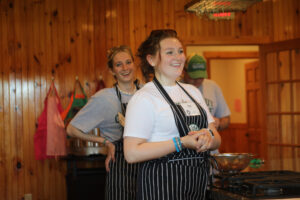
 This week, they’ve helped our cabin staff, supported younger campers, and quietly stepped into moments that needed care. They’ve practiced being calm when things get loud. They’ve worked behind the scenes to make camp stronger. They’ve stayed curious and thoughtful, and reflective. And perhaps most importantly, they’ve paid attention. And today, they even navigated how you can serve Snow Cones without a Snow Cone machine.
There’s something powerful about being the first. It means you don’t have a blueprint. It means you take a few steps into the dark, trusting that something good is on the other side. And when you do it right, you don’t just find your way — you leave something behind for others to follow.
That’s what these eight trailblazers are doing. They’re not just walking a new path. They’re building one. And they’re doing it with courage, character, and a lot of heart.
As we close out Week One, I’m filled with gratitude. For our campers, for our staff, for the sunshine and the silly songs and the sound of kids laughing under the trees. But also — and especially — for the leaders in the making who are reminding us of what it looks like to grow into yourself, right here in the middle of camp.
The trail they’re walking is one worth following. And I can’t wait to see where it leads next.
 They’ve trained hard. They’ve asked good questions. Furthermore, they’ve leaned into the work. And they are so ready — not just to lead activities or manage bunks, but to show up for your children with kindness, presence, and heart.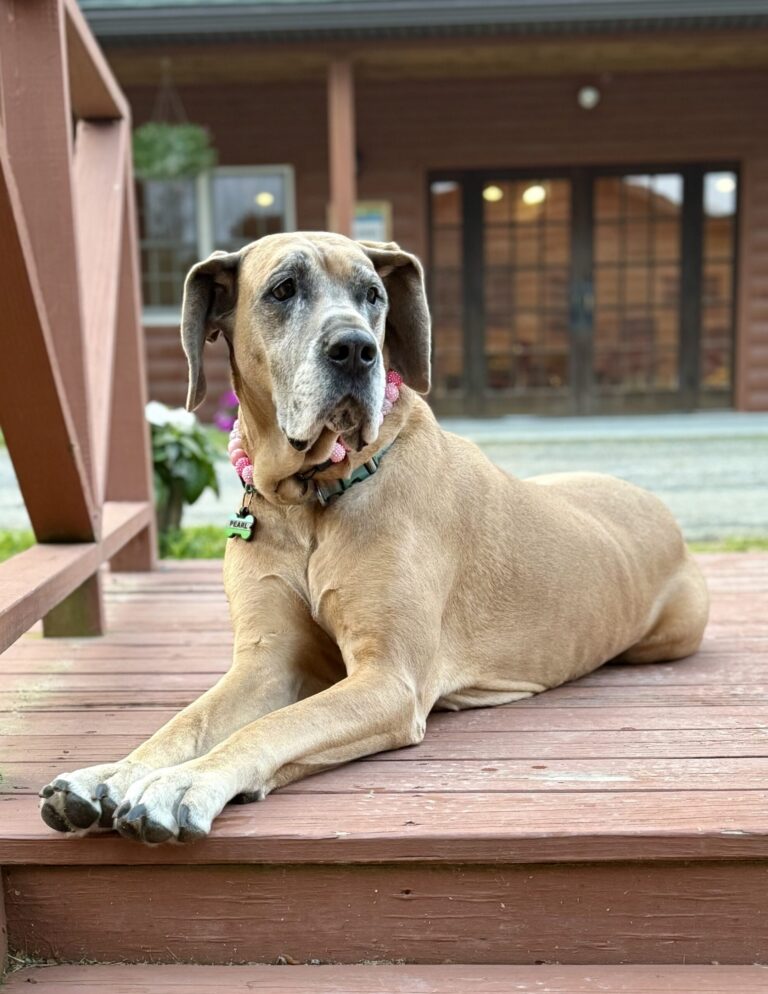
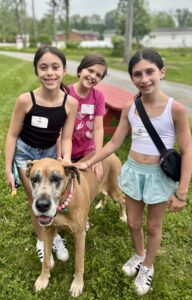 But this February, we met Pearl.
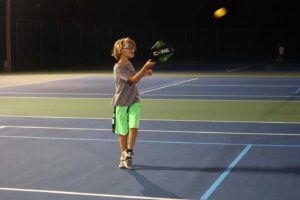
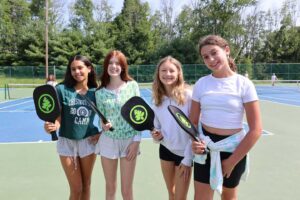 After a couple of summers of very tepid interest in Pickleball, we were preparing for a full renovation of our courts before this summer. Having heard the continued drumbeat of Pickleball’s growth in popularity (and even succumbing ourselves to the fad by playing a bit of it ourselves), we followed the lead of our partner camp and upgraded the courts to include not only the lines to be able to play Pickleball on the tennis courts surfaces but the construction of two permanent Pickleball-only courts under the lights.
 I am a sucker for Apache Relay, Tug-of-War, and Rope Burn in our Tribal Color Wars, as they represent old-school traditions and provide benchmarks in our celebration of rituals throughout the summer. I think that making a plaque to commemorate your cabin group in Woodshop will forever be important and never want to see that go away. And sports for me will always start with things like basketball and soccer and end with lacrosse and flag football, which are by no means new. But each summer, we experience things here at camp that represent something new; our campers may find interests or talent in all sorts of activities that could be as old as the hills or introduced just now by a creative member of our staff. But whether the thing they’re doing is old-fashioned or new-fangled, just doing new things for ourselves is a big part of camp. And it is our job to be open to these opportunities and to nudge and tease them out whenever we can in whatever ways are possible.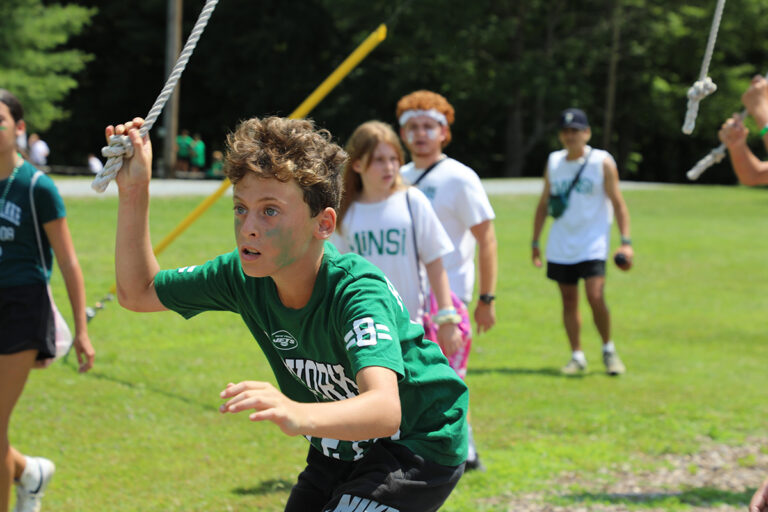

 , and in most cases, it was never too far from the present. We are sometimes afraid of change at camp, yet we try to welcome new ideas and celebrate innovation. Those are qualities of camp that are so valuable in the real world for us all, but especially for our children.
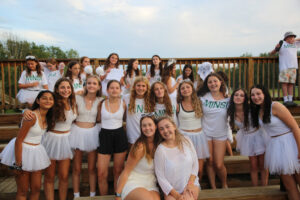 Although the tradition of Color War has come a long way since its creation (purportedly) at Schroon Lake Camp in 1916, including renaming, reframing, demystifying, and deconstructing some of the trappings to make it more effective and acceptable in today’s world, one common and consistent element can teach us a lesson. As camps strive each day to build healthy communities inside of their cabins in the woods, working dutifully to create a coalition and establish peace in these temporary homes, Color War often tests that process by making teams. Whether Green and White, different countries, or themed groups, bunkmates are divided. Friends that might usually choose their programs based solely on what the person who they sleep just a few feet away from is doing, or kids that would break up with someone if it was important to their BFF for any reason, now will spend hours upon days on opposite sides of this camp tradition. The competition can be fierce, even if the activities with the War include carrying an egg on a spoon. There are athletic contests that the entire camp may watch, rope-burning rituals that make for some of the most important moments – and awesome photographs – of the summer, and the writing and presentation of songs that can become part of the camp’s folklore forever. It’s a big deal at many camps, and no matter what camp professionals say and do to suggest that it is not the end-all and be-all of the summer, the dividing of kids and their staff between teams cannot be understated as a tricky variable. At Chestnut, we call this program, “Tribal”.
 Camp leaders are not ones to do things without thought, and while they create environments that have inherent risk to give campers a chance to build resilience and independence, Tribal continues as much because of the challenge of having friends on different sides as it does despite it. They establish rules and structure for the program, of course. There are still shared values that govern the play, strong enough to sustain even when conflict arises. There are people in charge – independent and unbiased observers, referees, and surrogate parents – to shepherd the participants through their battles. There is an explicit agreement that all combatants must adhere to when the War is over: we will congratulate all for their efforts and then return to camp as we left it. There will be sad faces, tears, and lost voices, and the colored face paint may take a few days to fully disappear. But when Tribal is over, the colors fade. The issues that pitted teams against each other are over, we are back to working together for the betterment of the whole community, and the winners and losers of Tribal are just part of the nostalgia of camp with some funny or hard moments that we talk about at camp reunions for generations to come. Remember that fight song from 2009 with that line about the Unami Chiefs? Davey wrote it, and he’s now retired and living in Davie. Remember that Apache Relay from 2013 when Rachel cheated and edged Alex out at the end? Rachel is a prosecutor in the US Attorney’s office now. The fights on the fields of competition don’t linger, even if the tales of them sustain. Tribal creates stories, builds spirit, and proves that people who find themselves on two different sides of something can vie for a trophy without setting aside the decorum and humanity that is at their core.
 We play hard here. It can be a lot for some of us. Our new campers have to adjust. Our new staff have to accept that everything they learned before the campers arrived was used up and not super relevant after four minutes of the campers being at camp. Returning campers have to adjust, too. They naturally compare the best of last summer to the early stages of the season that started 10 or 11 months later. Obviously, they liked stuff about Chestnut last summer to want to return. And some or a lot of that stuff is gone. They didn’t come back because they thought the Drama Center was special. They didn’t tell their friends how much they loved their camp because the trees stood in the same spot forever. They had it just right last year. Now it’s different. I am grateful for this. It means we all get to grow each year, it allows us to build community and create spirit each season. It means we can never get stuck somewhere, we can always create and enjoy something different. And what always mattered remains, in essence, the key principles and programs. They are here. The big ones are here forever.
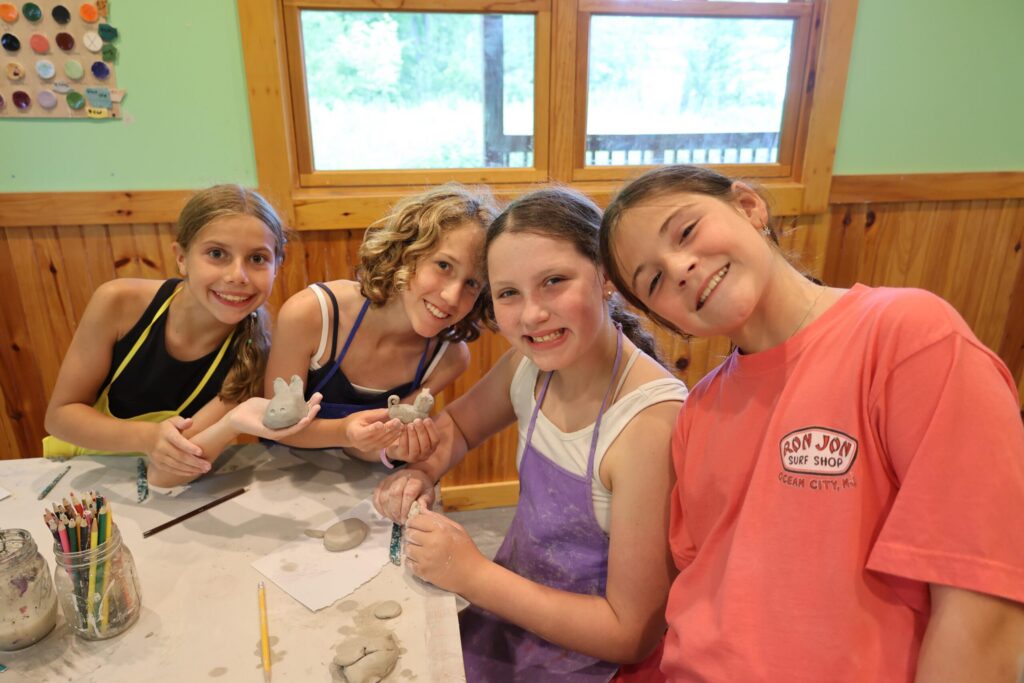
 This has been one of the best “first weeks” I have ever seen. Of course, that doesn’t mean it’s been perfect. There were some tears, we had some people fall down, and plenty of mistakes were made. I consoled some campers. I did the same with some staff. I spoke to a few parents that were unhappy. There will be more. And yet, what is happening here has been just so incredible. The care, the concern, the laughing, the outstanding performances, the dancing, the singing, the made three-pointers, the perfect Pickleball dinks, the beautiful artwork, the recognition of peers and staff through Community Service Awards last night, the new friends forming, the first time on the Flying Squirrel, the first leap from the highest Wibit element, and so many other things. I have heard more people than I can count say this is the best. I hope tomorrow will bring more.
 At the first true Community Campfire, I joined Josh Lutman on stage to play a Dylan classic, “Wagon Wheel.” Our camp is not the only one that loves this song. To be honest, I don’t know what that is. But as long as the campers and staff come together to make music together at dusk sitting shoulder to shoulder at the Great Lawn, I don’t care why they like this song. They would probably sing anything. They just want someone to let them sing. Together.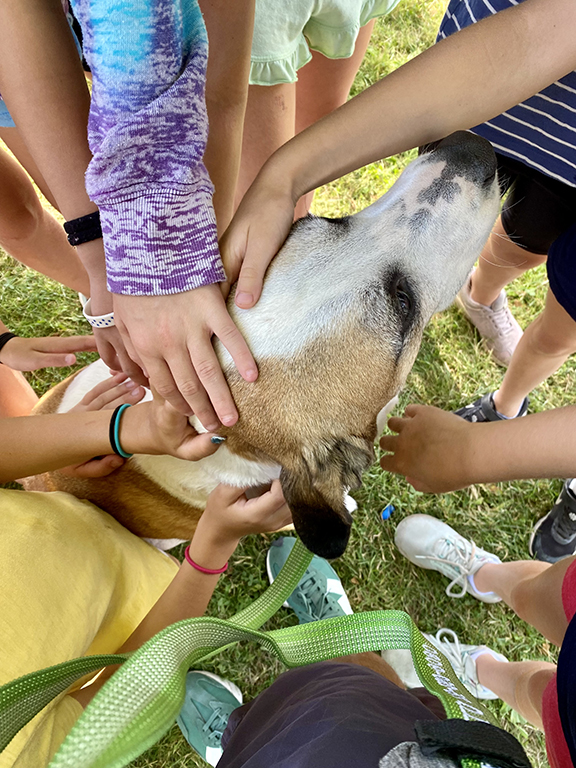
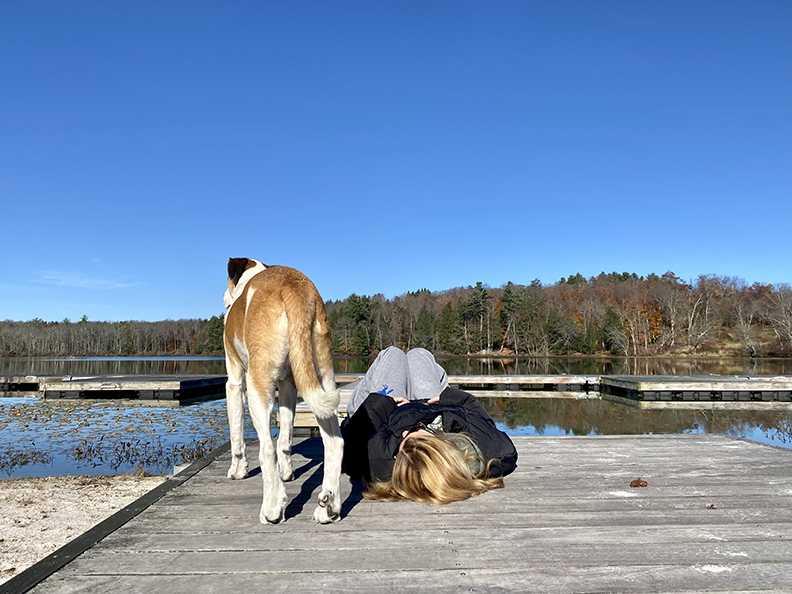 was also at his best at camp. It was at camp that he provided the most happiness to others – as Ann walked Apollo around the property each day, he was like a magnet for the kids who needed him. They craved the chance to tap into Apollo’s energy while they might be many miles away from their pets and their homes, and he obliged them gently. His aloof demeanor was a great match for their sometimes-unbridled enthusiasm, and though he might be scared, he also would get comfortable enough at times to lay down and allow others to cuddle with him. But it was just being at camp that brought Apollo joy. The ability to run and explore when nobody was around, chasing (and never catching) a deer, bounding across the lake’s sandy beach, or just running until he completely wore himself out on any day that we were there was evidence of camp being his favorite home.
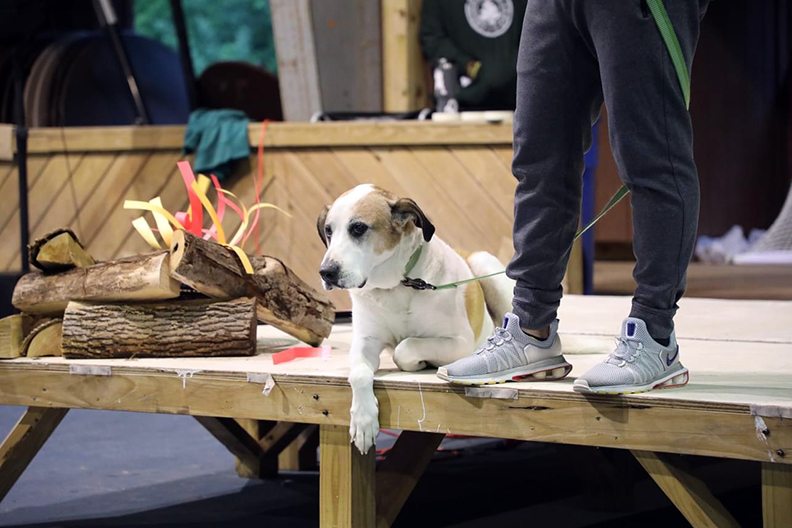 warmth that is shared between owners and their pets is worth. Apollo was no exception to this. As some at camp could attest, when he created a bond with someone, his relentless attention to them and his drive to be near them was unparalleled. Apollo’s recognition felt like pure love to us, and that bond reminded us of the friendship and fellowship that we saw day after day between people at camp. Campers and their bunkmates, the kids and their favorite counselors, and the staff that worked so closely together all appreciate and provide love at camp. Camp is filled with opportunities for growth and learning, but at the core, camp is a place that values this love. Apollo’s deportment was a perfect representation of the power of showing love to one another.
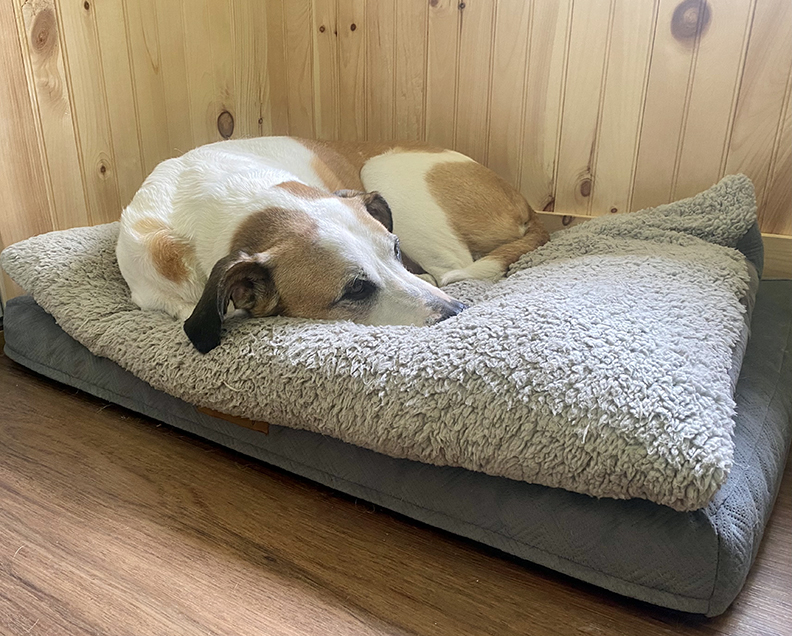 out of the woods covered in unbearable filth, or went to the bathroom in the wrong place. One such example was at our closing Tribal (Color War) event in 2021 when the teams were gathered on the main athletic fields preparing to hear me announce the winner. Apollo slipped away from our house, heard my voice from hundreds of yards away, ran to me, and promptly crouched in front of the entire camp to leave his own Tribal trophy on the third-base line. Apollo was forgiven at camp for his foibles, and he helped us to keep that in mind when we or others around us slipped up. Camp is at its best when it is a place where – like Apollo – we can do the wrong thing and be forgiven for it, as long as we show that we meant no harm and are willing to do better.
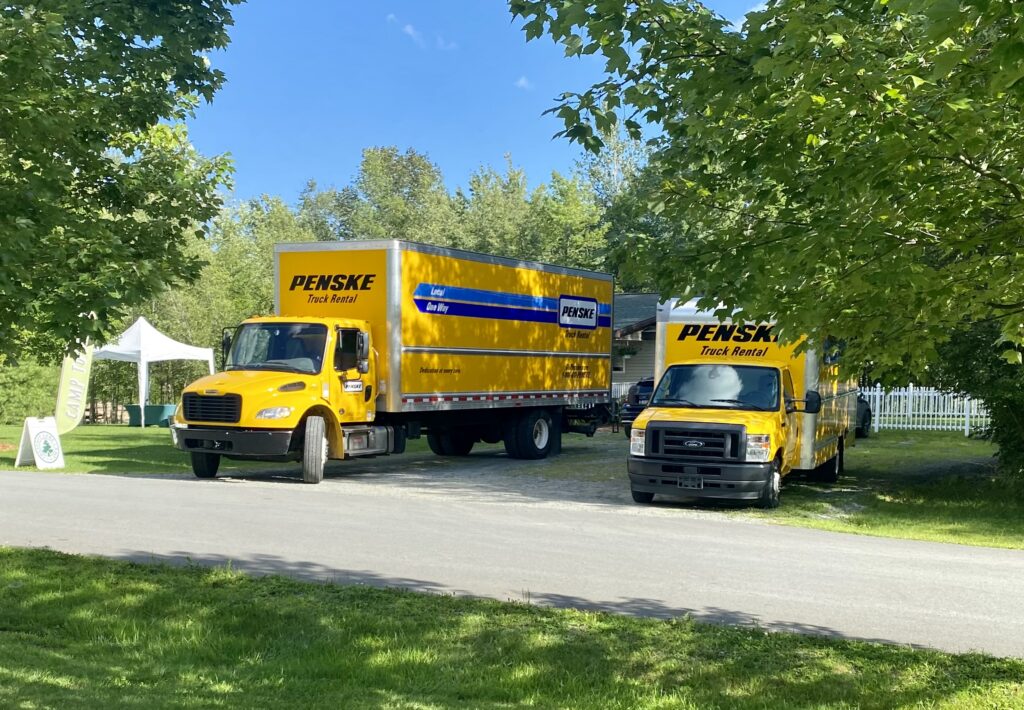 If you have not already heard about the sudden closure of Camp Trucking just over one week ago (
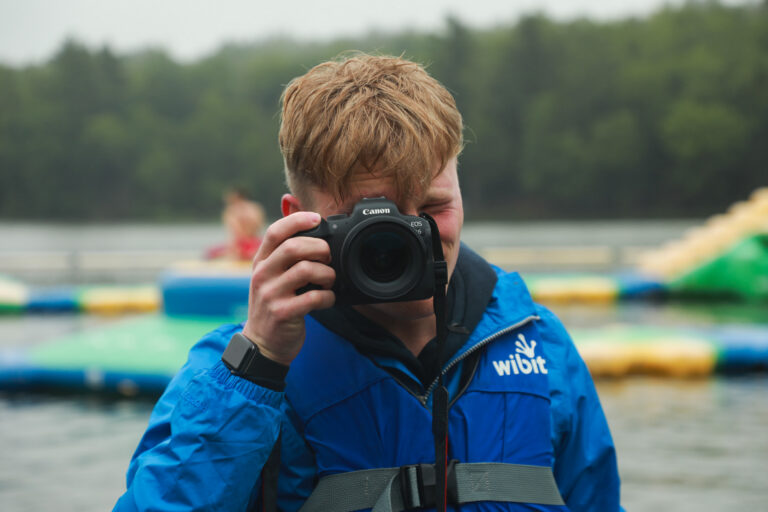
 often action-packed photographs as well as wonderful posed photos from every corner of our Chestnut Lake campus. In addition to this, the Communications Team leadership sorts and edits all of these photos as well as doing the other administrative work necessary to get this media in front of parents every single day. There is also a staff member dedicated to collecting, editing, and posting photos, stories, reels, and highlights to our camp