

Campfire Tales | Camp is a Gift

By Aaron Selkow, Owner/Director

For the first time this summer, nearly our entire staff community is together. Over the next week, these remarkable young people will participate in Staff Week as they prepare for the arrival of our campers. While campers and their parents are never physically present for moments like this, I have always believed that families should have a window into what happens here and understand the values, expectations, and purpose that guide our community. This evening, I spoke to our staff in the Campitheatre. Rather than summarize those remarks, I thought I would simply share them. What follows is the message I delivered.


Tonight feels different.

Not because camp starts tomorrow. It doesn’t. Not because everything is ready. It isn’t. And not because every member of our staff community is here yet. A few people are still finishing responsibilities at home and will join us in the days ahead. Tonight feels different because, for the first time this summer, we are almost all together.

Look around for a moment. The people sitting around you arrived at different times and for different reasons. Some of you got here just a few hours ago. Some have been here for days. Some have been here for weeks. A handful have been here since May. And while you may have arrived at different times, tonight is the first night we start to feel like one community. Before talking about what’s ahead, I think it’s important to recognize what it took to get us here. Our specialty counselors have already spent days preparing activity areas, training, planning programs, and learning how to lead their spaces. They are counselors first and foremost, but they are also helping create the experiences that will make this summer unforgettable.

Before them came many of our support staff — the people who help keep us healthy, the people who keep us safe, the people who maintain this beautiful property, the people who move equipment, transport people, solve problems, prepare meals, clean spaces, and do countless things that most campers will never even notice. And that’s exactly why their work is so important. Because when they are doing their jobs well, camp simply works. Some of those staff members have already been here for weeks, and I don’t think it’s possible to overstate how much they have accomplished. The food has been incredible. The spaces are coming together. The details are being handled. The place is starting to feel alive again.

And before them came our SUPES Team. For weeks now, they have been preparing to lead this community. Some are experienced educators. Some are coaches. Some work with children professionally. Some are still finding their path. But every one of them has chosen to be here because they believe in what this place can be. And that’s one of the things I want to talk about tonight: choice.

Because every person sitting here made one. You chose to be here. You could have spent your summer somewhere else. You could have taken a different job. You could have stayed closer to home. You could have chosen something easier. Instead, you chose this. And I don’t take that lightly.

When I look around this Campitheatre, I see people who will make a difference in the lives of others. Some of you will become teachers. Some of you will become coaches. Some of you will become parents. Some of you will work with children. Some of you will go into professions that have nothing to do with any of those things. But I have a feeling that many of you will spend your lives helping other people in one way or another. That’s one of the things that brought you here in the first place.

And if I’m being honest, when I was your age, I would not have necessarily seen any of that when I looked at myself. I certainly didn’t see a future camp director. I wasn’t studying education. I wasn’t preparing for a career working with children. I wasn’t building some master plan that would eventually bring me here. Truthfully, I was mostly interested in sports. School was something I did. Athletics were what mattered. And camp? Camp was just where I kept showing up.

I started as a camper when I was five years old. I turned six during my first summer. Then I just never really left. Not because I had some grand vision. Not because I knew what camp would eventually mean to me. Mostly because I didn’t know anything else. Many of you are actually more thoughtful about this than I was. You applied for this. You interviewed for this. Some of you traveled halfway around the world to be here. Some of you chose Chestnut Lake because someone you trust told you this place was special. I love that. I respect that. And I also know that, in some ways, it means you are starting with more intention than I did.

Over time, I got better at camp. I became a decent counselor. I learned how to run programs. I figured out some things. But one of the most important summers of my life wasn’t spent teaching basketball or running activities. It was spent working in the camp kitchen. And looking back, that summer changed everything. Because when you’re responsible for taking care of people, you learn humility pretty quickly. You learn that communities don’t function because of one person. You learn that every job matters. You learn that taking care of other people is hard work, meaningful work, sometimes thankless work, and incredibly important work.

Without that experience, I’m not sure I’d be standing here tonight. I don’t know that I would have understood what it really means to lead a camp, because it’s not just about standing in front of people. It’s about noticing what has to be done and being willing to do it. It’s about caring when no one is clapping. It’s about understanding that the smallest details can make another person feel seen, safe, and cared for. Because of that, I think I understand at least a little bit of what some of you may be feeling. Maybe you’re excited. Maybe you’re nervous. Maybe you’re wondering whether you’re ready. Maybe you’re sitting here thinking, “What exactly have I signed up for?”

At some point during the next few weeks, almost every person sitting here is going to have a moment when they think, “I have no idea what I’m doing.” And when that moment comes, I want you to know something: That’s normal. It’s supposed to happen. None of us started with all the answers. Not me. Not the people leading this camp. Not the people sitting beside you. The goal is not perfection. The goal is growth. The goal is effort. The goal is to show up every day and try to become a little bit better than you were the day before. That’s what we’re asking of you. We’re asking you to care. We’re asking you to try. We’re asking you to put children first. We’re asking you to live the values of this community. Not because we expect you to be perfect, but because we believe you are capable of being extraordinary.

And yes, you are going to make mistakes. I hope you do. Because mistakes usually mean you are trying. Mistakes usually mean you are stretching yourself. Mistakes usually mean you are putting yourself in a position to learn. We will help you through mistakes. We will teach through mistakes. We will grow through mistakes. What we will not accept is indifference. What we will not accept is choosing not to care. Because these children deserve adults who care deeply.

Now there’s something else I want you to understand about this place. Many of you came here because someone recommended Chestnut Lake Camp. Somebody told you this was a special place. Somebody told you this was where you should spend your summer. Or maybe the greatest staff recruiter in history, Sam Roberts, looked into your eyes — which felt like he was seeing clear into your heart — and made you feel like you needed to come to Chestnut to fulfill your destiny. When people hear that about a place — whether from friends or from members of our leadership—they often assume it has been that way forever because it sounds ideal. They assume, because of that, that it is finished. They assume it is complete. They assume somebody else has already built all of it and that coming here will mean jumping into a place that is fully formed.

But that’s not true. Some of you may not even realize that our first summer wasn’t until 2008. When people talk about Chestnut Lake Camp today, they often talk about it like it’s always been here. Like it’s been around forever. But it hasn’t. Nineteen years ago, there wasn’t much here. There were ideas. There were dreams. There was hard work. There were people willing to believe that something special could exist. Every summer since then, another group of people has added something — a tradition, a program, a friendship, a culture, a standard, a memory, a story. Some stayed for one summer. Some stayed for many. But every one of them left fingerprints behind.

And tonight, you become part of that story. You didn’t come here to observe it. You came here to write part of it. Chestnut Lake Camp is not finished. It is still growing. It is still becoming. And now you are part of what comes next. Years from now, there will be counselors sitting exactly where you are sitting tonight. They will benefit from traditions you helped strengthen, programs you helped improve, relationships you helped build, and culture you helped shape. They may never fully know your name. But they will experience your impact, just as we are still experiencing the impact of those who came before us. That’s how communities work. That’s how legacies are built. One summer at a time. One person at a time. One choice at a time.

And that brings me back to where I started: Choice. Because years from now, when you think about this summer, I don’t think you will remember every schedule. You won’t remember every meeting. You won’t remember every training session. What you will remember are the people, the moments, the challenges, the growth, the laughter, and the feeling that you were part of something bigger than yourself.

I’m 55 years old. I’ve spent more than thirty years doing this work. And when I think about camp, I don’t just think about this summer. I think about summers long ago. I think about the people who shaped me, the lessons they taught me, the confidence they gave me, the responsibility they trusted me with, and the ways camp helped me grow up. When I was your age, I thought camp was a place. At 55, I know better. Camp isn’t a place. It’s a gift.

It’s a gift that keeps unfolding. The lessons don’t arrive all at once. The impact doesn’t arrive all at once. You discover pieces of it years later. You discover it when life gets hard. You discover it when someone depends on you. You discover it when you are asked to lead. You discover it when you are raising a family. You discover it as you try to figure out who you want to be. I opened that gift a long time ago. And somehow, after all these years, I’m still finding things inside it. That’s what I hope for you. I hope you have a great summer. Of course I do. I hope you make memories. I hope you make friends. I hope you make a difference for children.

But more than that, I hope this experience stays with you. I hope thirty years from now you can still feel it. I hope thirty years from now you are still benefiting from it. I hope thirty years from now you can point back to a summer in Beach Lake, Pennsylvania, and say that somehow, in ways you couldn’t have understood at the time, it helped shape who you became.

So on behalf of our leadership team, our year-round staff, our seasonal leaders, and my family — Ann, Lily, Pearl, and me — welcome. You chose this place. Tonight, we’re choosing you too. Welcome to Chestnut Lake Camp. Welcome to Beach Lake. Welcome home.

Now let’s get to work.
Campfire Tales | Before the Campers Arrive

By Aaron Selkow, Owner/Director

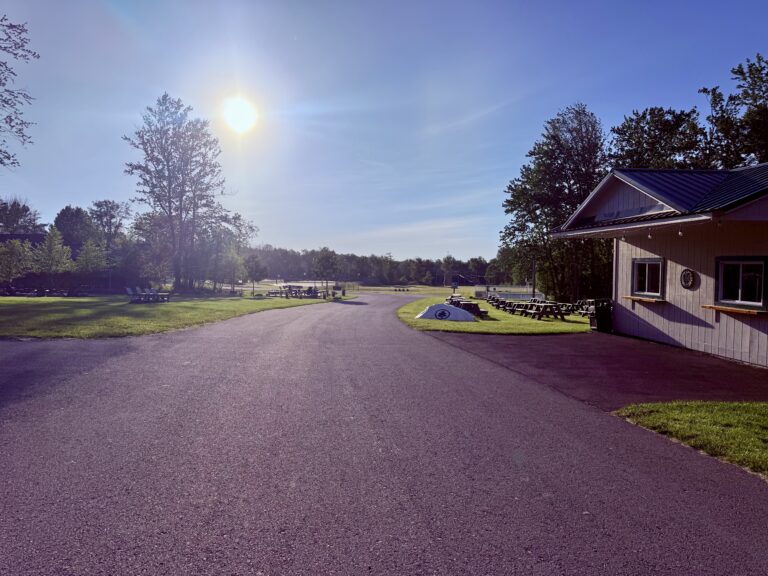
As I write this, we’re still more than two weeks away from Opening Day. The bunks are waiting. The lake is quiet. The athletic fields are green and ready. There are projects still underway, schedules still being refined, and a seemingly endless list of details that need attention before the first buses arrive at Chestnut Lake. To most people, camp hasn’t started yet. But the truth is, camp has been underway for quite some time. Remember…It’s Always Summer.

Some members of our leadership team arrived in early May. Together, we’ve spent the past several weeks preparing every corner of camp for the summer ahead. We’ve hired staff, planned programs, reviewed procedures, solved problems, walked the property countless times, shared information about the amazing campers still to arrive, and worked through thousands of decisions — most of which campers and parents will never see, but all of which help create the experience they will soon enjoy. The past week marked another important step in that preparation.

Nearly fifty members of our leadership team (which we refer to as the “SUPES” here, who are part of the larger “Blue Team” of adult staff) gathered for five days of intensive training. We spent long days together discussing leadership, child development, communication, supervision, safety, culture, and the tremendous responsibility that comes with helping shape a child’s summer. There were presentations. There were discussions. There were role-plays. There were moments of laughter and moments of reflection. And there was the exercise that we closed with, which has truly resonated for me.

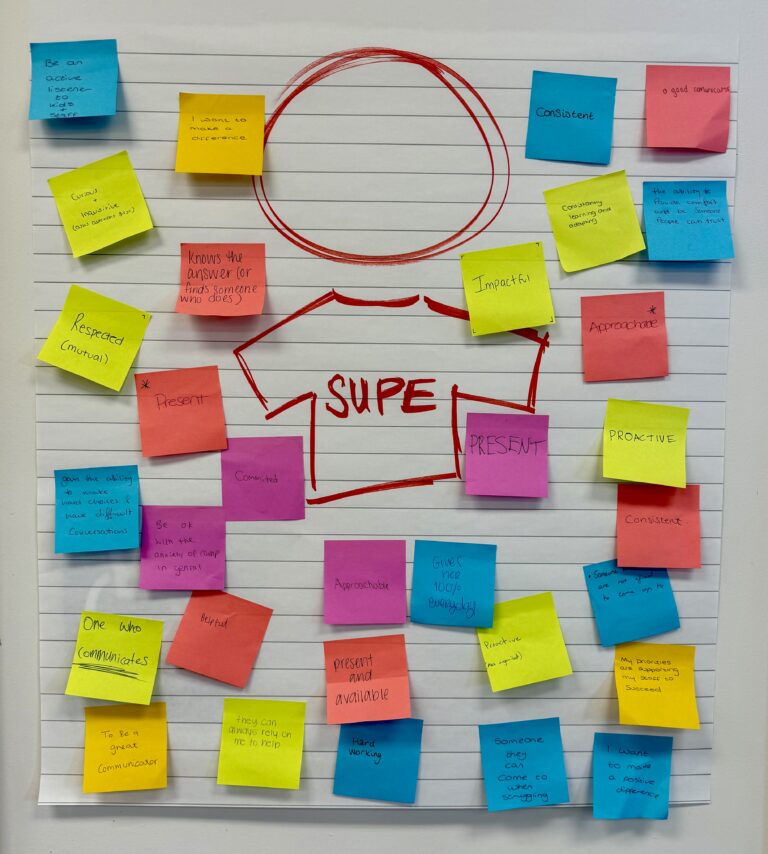
Our supervisors gathered around a large drawing of a “SUPE” and answered a simple question: “What kind of leader do you want to be this summer?”

Each supervisor was asked to consider their own answer to that question. And after we shared them all, with more than 200 affixed to the wall, I invited each of the leaders to select one written by another person and place it on the drawing of a “SUPE”. It was important that they chose one from another team member, because while each of us will aspire to meet our own goals, this team’s success will be marked by how well it supports others. Their choices quickly filled the flip-chart sheet.

Present. Approachable. Consistent. Proactive. Impactful. An active listener. Someone people can trust. Someone who makes a positive difference. Someone campers and staff can come to when they are struggling. Someone who is constantly learning and adapting. One note simply read: “I want to make a difference.”

As I stood there looking at the wall, I found myself thinking about some things that weren’t written. Nobody wrote, “perfect.” Nobody wrote, “finished.” Nobody wrote “expert.” Instead, what covered the page were qualities that require intention. Qualities that require effort. Qualities that require practice. Qualities that require growth. And that’s when I realized that the exercise wasn’t really about leadership. It was about becoming.

There has been a lot written recently about young people, confidence, resilience, independence, and anxiety. Much of it centers around an important question: “How do children become confident?” For years, many of us assumed confidence came first. Then came the challenge. But experience tells us something different. Confidence often comes after the challenge. Confidence comes from discovering that you can do something difficult. It comes from walking into a bunk where you don’t know anyone and somehow finding your place. It comes from climbing higher than you thought you could. It comes from speaking up when you’re nervous. It comes from trying something new. It comes from making a mistake and realizing you can recover from it. It comes from being homesick and making it through the day. It comes from failing, learning, adjusting, and trying again. And eventually, looking back and realizing that you’ve become stronger than you ever were before.

That is what camp has always offered children. Not a summer free from challenge, but a summer filled with the right challenges. The kind that help young people discover what they are capable of. One of the things I love most about leadership training is that it reminds us that growth isn’t reserved for children. We spend a great deal of time talking about how to help campers become more confident, more resilient, more independent, and more connected. But the adults in the room are engaged in that same work themselves. Before we ask campers to step outside their comfort zones, we do the same. Before we ask campers to learn resilience, we practice resilience. Before we ask campers to grow, we commit ourselves to growth as well.

The photo accompanying this Campfire Tale was taken at the conclusion of that exercise. What you’re looking at isn’t a strategic plan or a list of responsibilities. It’s a collection of aspirations. Nearly fifty leaders identifying the qualities they hope to embody this summer. What I find most reassuring about that isn’t that they have all the answers. It’s that they continue to ask the right questions. How can I be better? How can I serve others more effectively? How can I help someone feel seen? How can I make a positive difference? The best leaders I’ve known have never acted as though they had everything figured out. They simply remained committed to becoming better versions of themselves. Perhaps that’s one of the greatest lessons camp has to offer. Growth isn’t something we finish; it’s something we practice.

Every summer, children arrive at Chestnut Lake as works in progress. They leave as works in progress, too. The difference is that somewhere along the way, they discover new strengths, new friendships, new confidence, and new reasons to believe in themselves. The same is true for all of us. So here we are, a little more than two weeks before Opening Day. The campers haven’t arrived yet. The songs haven’t been sung. The games haven’t been played. The campfires haven’t been lit. But growth has already begun.

And if the conversations, commitment, and heart I’ve seen from our leadership team over these past several weeks are any indication, this community is ready for a remarkable summer.


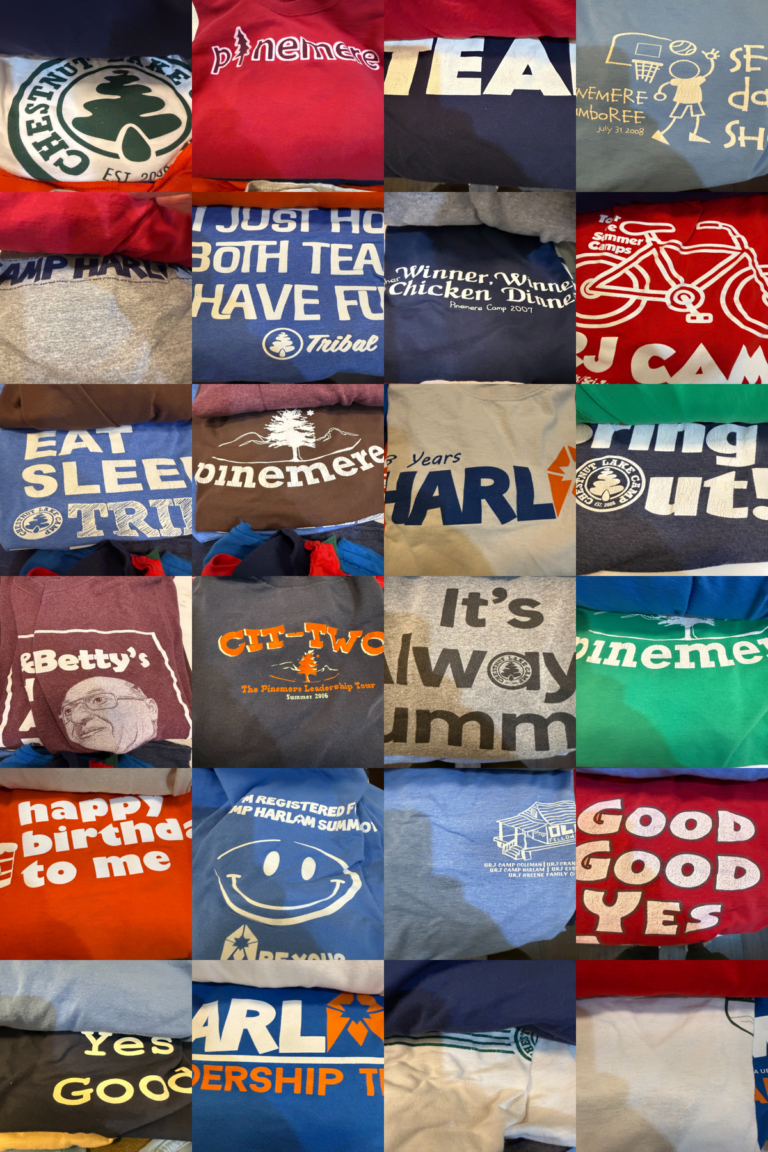
Campfire Tales quilt graphic featuring camper t-shirts and traditions at Chestnut Lake Camp

Campfire Tales | Stitched Over Time

By Aaron Selkow, Owner/Director

I was going through my closet at home the other day.

It was one of those projects that lingers — not because it’s complicated, but because it’s personal. Ann knew that. She was patient and encouraging, understanding that cleaning out my closet wasn’t just about making space. It was about deciding what parts of my past I was ready to hold differently.

We’ve lived in this house for about twenty years. I’ve spent thirty-three years in camp leadership. And if I really count it all — as a camper, a staff member, and a professional — I’m closing in on fifty summers at camp. That’s a lot of living. And, as it turns out, a lot of T-shirts.

Camp-branded clothing accumulates quietly. Year by year. Summer by summer. Before you know it, you’re standing in front of shelves filled with fabric memories: staff shirts, leadership gear, so many hats, apparel tied to traditions, themes, moments that once felt all-consuming and now live somewhere deeper.

Over the years, I’ve tried to be intentional. When I left Pinemere Camp — the camp where I grew up as a child and later served as director for many years — I gave away shirts and sweatshirts so they could keep being used. I did the same when I left Camp Harlam after nine years as a leader. And once I leave a camp, I stop wearing those shirts entirely. It wouldn’t feel right for me, as the director of Chestnut Lake Camp, to be running errands or standing on the sidelines at a soccer game in apparel from another chapter of my professional life.

Still, I kept more than I needed.

And when I finally sorted through what remained, I noticed something interesting — not just what I kept, but what I didn’t.

Some shirts didn’t make the cut because, frankly, they don’t hold up. Designs that felt clever at the time now make me cringe. Graphics that, looking back, border on inappropriate. Slogans that were well-intentioned but poorly thought through. A few that would probably make an intellectual property attorney pause at my willingness to “borrow” inspiration without fully thinking through the implications.

Those shirts are part of my story, too. They reflect mistakes. Blind spots. A younger version of myself still learning — sometimes clumsily — how creativity, humor, leadership, and responsibility intersect. I didn’t keep them because growth means recognizing that not everything deserves to be preserved in the same way.

What struck me most, though, was how worn the shirts I did keep were. These weren’t pristine keepsakes. They were faded. Softened. Stretched. Stained in places I couldn’t quite identify anymore. They had lived camp alongside me — through long days and longer nights, unexpected rainstorms, high-energy moments, quiet conversations, staff meetings, campfires, and the thousands of ordinary moments that turn out not to be ordinary at all.

In that way, the shirts didn’t just represent camp. They experienced it.

After everything was sorted, folded, and set aside, I looked at the shirts that remained and realized I wanted to do something with them — something more meaningful than putting them back on a shelf. I decided to have several of them made into a quilt. The quilt will include 24 shirts from all three camps I’ve led. Different colors. Different eras. Different design styles. Nearly all of them shirts I designed myself, which has always been one of my favorite creative outlets. Each one tied to a particular moment, group of people, or unique camp season.

Lying them out together, they felt less like memorabilia and more like relationships.

Some were joyful and easy. Some were complicated. Some belonged to chapters that shaped me profoundly, even when I didn’t realize it at the time. They don’t all match. They weren’t meant to. But stitched together, they tell a coherent story — not of perfection, but of commitment, evolution, and care.

There’s a line often attributed to Maya Angelou: “Do the best you can until you know better. Then when you know better, do better.” That feels right here. Camp — at its best — gives us the space to do exactly that. To try ideas. To build traditions. To learn from missteps. To grow alongside the people who we’re leading. When the quilt is finished, it will tell a story. Not neatly. Not chronologically. But honestly. And camp works the same way.

What campers take home from Chestnut Lake won’t be a quilt. But it will be something stitched together quietly over time: friendships, confidence, independence, resilience, lessons learned through both success and struggle. Pieces that may not fully make sense on their own, but together form something strong, warm, and lasting.

Fifty summers later, that’s what I see when I look at these shirts — both the ones that made the quilt and the ones that didn’t.

A life shaped by camp.
Worn in.
Learned from.
And still growing.

Campfire Tales | It’s Always Summer

By Aaron Selkow, Owner/Director

A few weeks ago, I got a message from the parent of one of our Varsity campers from last summer. It was short and straightforward — just a note she thought I’d appreciate. Her daughter and a few of her friends at school had started a fundraiser for SCOPE. This organization helps make camp possible for kids who otherwise wouldn’t have the chance to go (our Varsity campers run SCOPE activities at camp as part of their leadership program). The teens had made posters, secured a table at their school’s Friday night event (where I happened to be as a coach for the same school’s girls’ soccer team), and were selling pizza to raise money. The mom wrote, “She wants me to tell you to come buy some pizza — she’s proud that the kids are so into SCOPE.” I stopped by. And sure enough, she was beaming. When she saw me, she shouted, “We’ve already raised $237!”

At that moment, I felt something that everyone who loves camp knows deep down: the best parts of summer don’t stay behind when the buses pull away. They follow us home.

A few days earlier, Sam Roberts — our Director of Staff & Camper Experience — told me about a conversation with one of our returning counselors. This staff member is back at college now, juggling classes and a part-time job. Some of his friends had been asking how he stays so calm under pressure — how he learned to lead and connect with people the way he does. He laughed and said, “Try being responsible for a cabin of ten eleven-year-olds for four weeks.” Then he paused and added, “I really do miss it — and I use it every day.”

These moments — a proud parent’s message, a counselor’s quiet reflection — are reminders of what I’ve been feeling since the summer ended. They’re proof that what we build together doesn’t fade when camp ends. It keeps showing up — in the choices, confidence, and compassion that our campers and staff carry into their everyday lives.

That’s what we mean when we say It’s Always Summer. It’s not about weather, or nostalgia, or pretending the season never ends. It’s about what lasts because of camp — the sense of belonging, purpose, and joy that sticks with us long after the last campfire.

For me, It’s Always Summer has become a promise — a reminder that our work as leaders, mentors, and friends continues year-round. When a Varsity camper raises money so that another child can go to camp… when a counselor uses what they learned at Chestnut Lake to lead with patience and heart… when a family tells us their child is still singing the alma mater at breakfast — those are the signs that the fire is still burning.

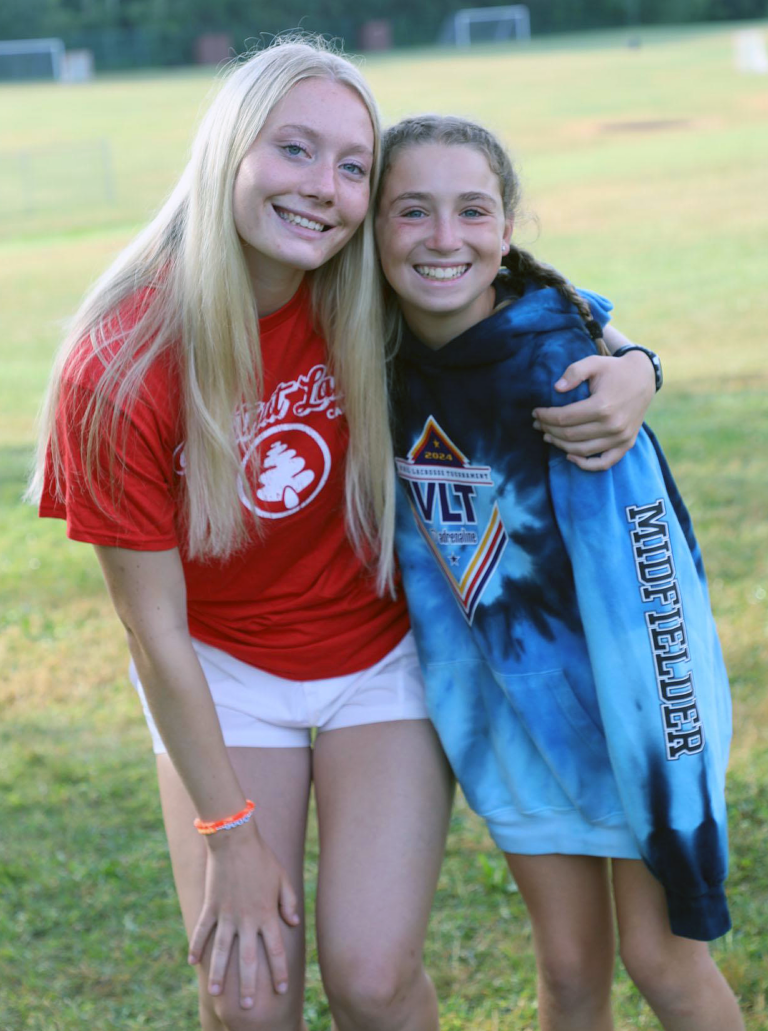
And if you look closely, you can see it everywhere. In the hoodie a camper wears to school. In the smile of a staff member walking into the Winter Reunion. In the plans, we’re already making for the summer of 2026. Because what happens at Chestnut Lake isn’t confined to a season. It starts here — but it belongs everywhere.

So as we look ahead, let’s carry that same warmth, the same belief in people, and the same spirit that fills our camp days. Because at Chestnut Lake — no matter the month, no matter the weather — It’s Always Summer.