The End
By Aaron Selkow, Owner/Director
This post is adapted from a piece by Aaron oringally published in Camping Magazine
For 30 years, I have been a camp professional. Most of that time, I owned, directed, led, or supported summer camps. For the few years in between my three camp directing positions, my jobs shifted to more global roles with a couple of very large nonprofit youth-serving organizations. But I have always kept my head and heart in the camp world. I have in some way — whether directly or indirectly — impacted the experiences of more than 300,000 campers and staff members during my summers as a camp leader. I’ve learned from legends and innovators, have been exposed to exceptional training and professional development, and consider myself to be fortunate for the assistance and investment others have made in my career. As I look back at my life as a camp person and assess the skills that I have seen grow and become refined, here are the things that I think qualify as my strengths that may be at an objectively expert level:
- I can make excellent forms.
- I can talk for a very long time.
- I can get people to do things they don’t want to do and make them believe that they did want to do them.
- I can spin a basketball on my finger.
Camp directors tend to think their profession is unique. We’re not like traditional educators because we run immersive and extremely intensive programs. We’re not like typical business owners because we act in loco parentis and hold the lives of children in our hands. We’re not like cruise ship captains because . . . well, maybe we are like cruise ship captains. While our peers may do other interesting things, we tend to feel that camp is a specialized field that requires distinct expertise and that others may not understand what it takes to succeed. It might be true that the nuances need a bit of explaining at cocktail parties, but I believe the essence of how we thrive in our field may not be as dissimilar as it appears if we look through the lens of skill acquisition. In a way, we are just like anyone else working day after day in a position that tests their ability to learn and develop skills. Skills are the tools that we use to do our jobs.
 And camp leadership does test and expand your skill set. I have learned how to clean the inside of a 100,000-gallon underground reservoir, how to replace a large-amp breaker, how to snake a wastewater line, how to repair a pitched roof, how to stop water from flooding a building (and how to clean up after you’ve failed), how to pour concrete, and how to pull a submersible well pump that’s 300 feet below ground. I have learned enough Hebrew to order rugelach at the shuk (open-air market in Israel), enough about architecture to help design a building, enough chords to play guitar in front of indiscriminating crowds, enough HTML to build (and occasionally crash) a website, enough about how to operate deep fryers, convection ovens, and commercial dishwashers to work the line, enough about medicine to know the difference between Coxsackie and Hand-Foot-and-Mouth (same thing, actually), and enough about copier machines to solve almost every jam I’ve caused.
Ask me to set up an auto attendant in your phone system, an auto-reply in your email, a marriage ceremony, a system for tracking attendance and retention, a table for a promotional event, or a 12-team double-elimination round-robin tournament, and you will get results. But are these skills? Are these legitimate talents that I possess, or simply a result of the panoply of experiences that a camp director may have while trying to navigate the unpredictable and varied crises they face over their career? These abilities may exemplify the master-of-none mystique that camp directing emits; a job where a pair of flip-flops can pass as appropriate as long as your shirt has a camp logo on it.
Reading Malcolm Gladwell’s Outliers began my quest to better understand how I might turn these tidbits of knowledge into real skills. I completed the book still considering which proficiencies I should prioritize to become an expert in. Gladwell’s 10,000 Hours Rule, which states that this many hours of “deliberate practice” are needed to become world-class in any field, felt overwhelming (Gladwell, 2008).
When Princeton University released its own study in 2014 that debunked the deliberate practice quotient put forth by Gladwell, I was momentarily excited. Surely, they had realized that exceptional skill could be reached in far less time. But instead, the researchers presented data to show that 10,000 hours of practice was not nearly enough. Their meta-analysis of 88 studies related to deliberate practice showed that in some domains, the time and effort put into practice might account for only a 12-percent difference in performance (MacNamara, Hambrick, & Oswald, 2014). In less stable fields — and camping would have to be considered one due to the changes in rules, context, and audience — mastery relies less on what one can predictably prepare for and more so on other variables. Hopelessness gave way to hope when I started to think about the difference between virtuoso (which Gladwell uses as a standard of excellence) and winner. I can accept that I may not appear in the annals of camping history as an all-time great, but is the reputation as a successful professional a reasonable goal?
My career in camp has had natural separations between my first 14 years as a professional at Pinemere Camp, my 9 years leading Camp Harlam and helping to support the URJ Camping System, and the last few years as an owner/director with my incredible wife, Ann, at Chestnut Lake Camp. In the first stage, I was pretty sure I knew what I was doing but I sometimes did not. In my second camp stint, I knew that I didn’t know enough and was determined to try to figure it out. And now, having gained a reputation as a high performer, it seems fitting that the combination of becoming an owner of a camp for the first time and the introduction of the word, “pandemic” into my lexicon would bring me back to the beginning of the learning loop.
I was a 24-year-old helping to run a camp while preparing to take it over from a 42-year veteran. Then I took over a veritable beast of an institution and applied all the great things people taught me and they seemed to work. And now at Chestnut Lake, I get to learn many new things while building something that is sustainably successful using the ups and downs of three decades of experience as my toolbelt. I consider myself very lucky. Luck might need to be added to my list of expert-level skills. I have had a lot of it, more than my share.
Josh Kaufman, the author of The Personal MBA, drew me in when he suggested and explicitly detailed the means of gaining skills required for earning one’s Master of Business Administration degree without ever matriculating. With an outline of 226 business concepts to learn, I realized that I didn’t want to spend $200,000 on an MBA, and I also didn’t want to memorize 226 ideas (Kaufman, 2010). But when his next book, The First 20 Hours: How to Learn Anything . . . Fast, came out, there was more resonance and applicability. Kaufman was not suggesting that 20 hours of intentional and thoughtful investment would lead one to become an expert, but instead, he provided a plan for acquiring a skill. Or at least the preliminary development of a skill. It took me some time to find the right skill to test, but I’m proud to share that my understanding and expertise around the National Council for Behavioral Health’s “Mental Health First Aid for Youth” curriculum and other issues related to our country’s mental health crisis have evolved significantly through this method. As Kaufman suggests, I defined my target performance level, deconstructed the skill, eliminated barriers to practice, and created fast feedback loops (Kaufman, 2013). I feel good about this, and I want more. As the leader of Chestnut Lake, I seem to have found just that: more growth through the identification and acquisition of skills that can help me and the camp that I now love be all that it can be.
As a camp professional, I can see how my openness to the advancement and acquisition of skills has contributed to my relative success and my feelings of professional self-worth. In her book, Mindset, Carol Dweck describes how in a growth mindset “people believe that their most basic abilities can be developed through dedication and hard work — brains and talent are just the starting point” (Dweck, 2007). In our work at camp, there’s no lack of opportunity for the accumulation of experience. Wake up in the morning, start to engage at camp, and the experiences will come to you. You will be faced with predictable and unpredictable moments, and your mindset and approach to these will be the determining factor between success and failure, and between episodic challenges and gradual growth. I wish I could go back in time and change my attitude in certain situations so that I might gain a few minutes or hours of deliberate practice while also using other methods to make the experience a skill-building one. Accumulating an assortment of non-sequitur experiences can become valuable to camp directors if their goal is to have great stories to tell. But if we’re looking to make a difference, reach our potential, affect change, and grow as professionals, we need to treat the assortment of serious and silly things we confront as opportunities to expand that tool belt.
I am a good T-shirt designer. I can create a decent Excel spreadsheet. I can announce the winners of Tribal (Color War) with Panache. I can stand in front of a large group of people and speak passionately without a net. Need a document formatted and branded, call me. I can drive a 26-foot box truck, a golf cart, a nail in one shot, and a parent who is not getting the answer they want to the point of frustration. I’ve been certified to belay and rescue on a high-challenge course, I have refereed seven sports, and I can hang a mounted camp photo on the wall without the need for a ruler or level. I’ve repaired a window screen and a meaningful relationship, and I do know how to properly stern a canoe. All of this was learned at camp, and these skills have value in our distinctive environment. And I can get better at all of them.
Except for the luck. I’m already the luckiest I can be.
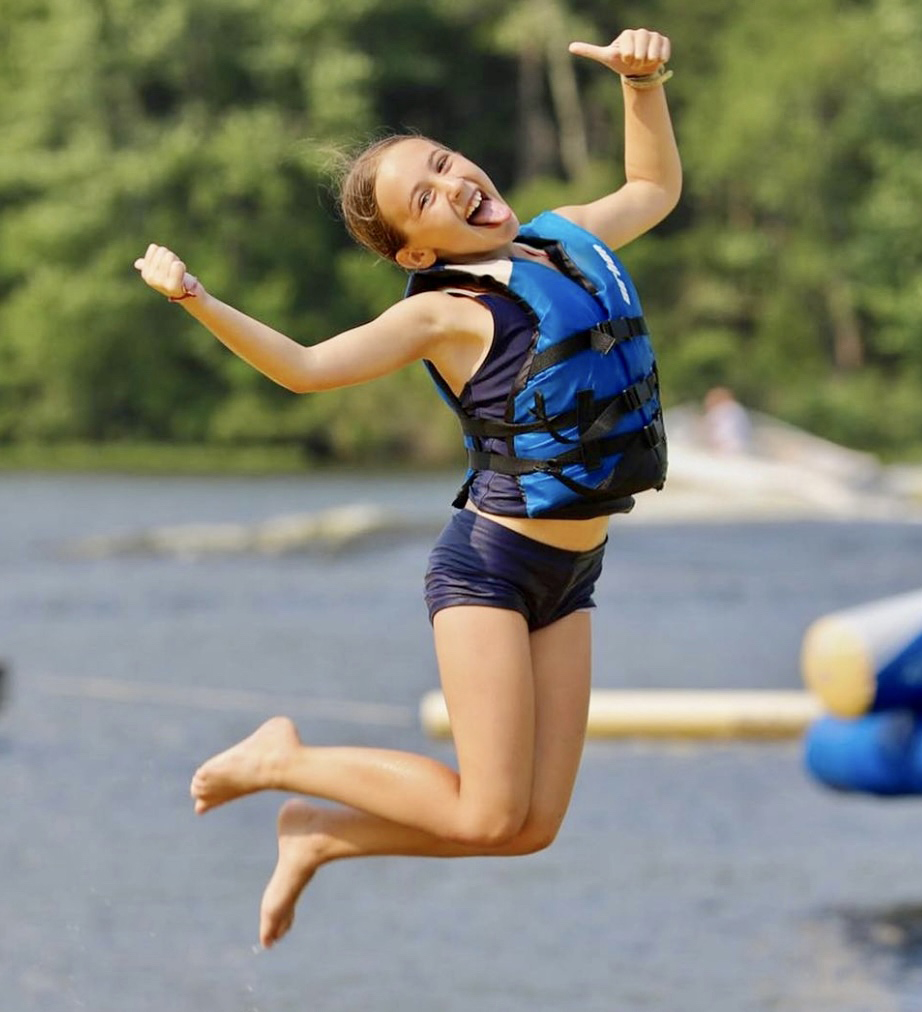 often action-packed photographs as well as wonderful posed photos from every corner of our Chestnut Lake campus. In addition to this, the Communications Team leadership sorts and edits all of these photos as well as doing the other administrative work necessary to get this media in front of parents every single day. There is also a staff member dedicated to collecting, editing, and posting photos, stories, reels, and highlights to our camp
 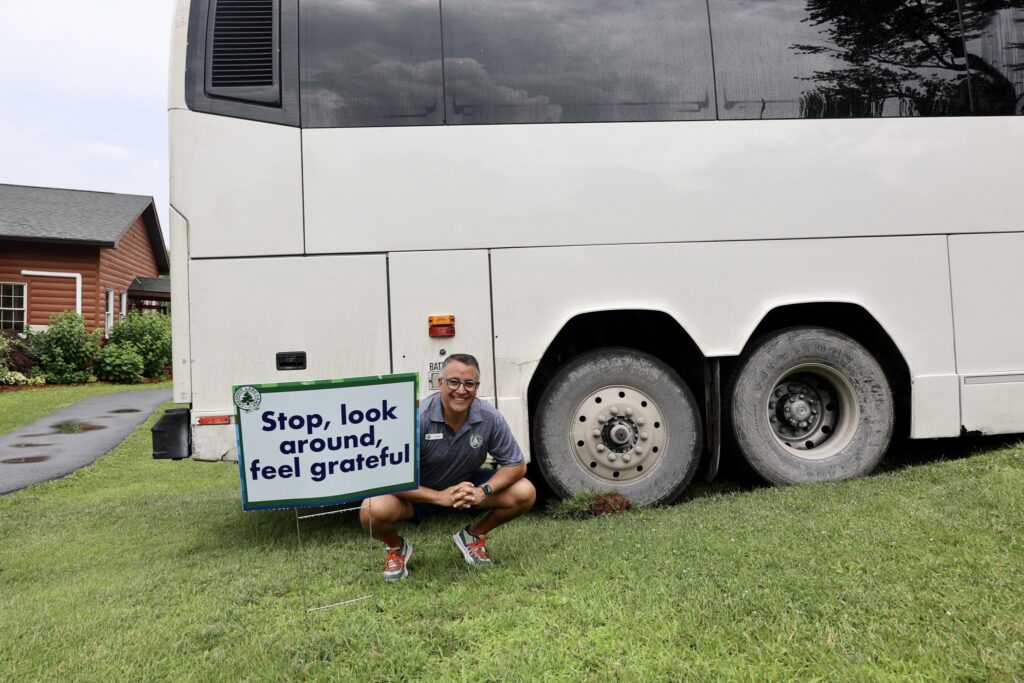 One moment that might have felt like a bad omen at the start of the Disco week was the arrival of their bus. Half of the campers in the program come from New York City and a partnership with the 92Y (and their amazing day camp), so we welcomed a charter bus during our Second Session drop off. The driver was told to back up to make his way out of camp, and he instead decided to drive forward. Then he backed up. Then he got stuck on wet grass. Then he hung his bus up on the road, unable to move. And then we towed the bus. The photo (see inset) is a classic.
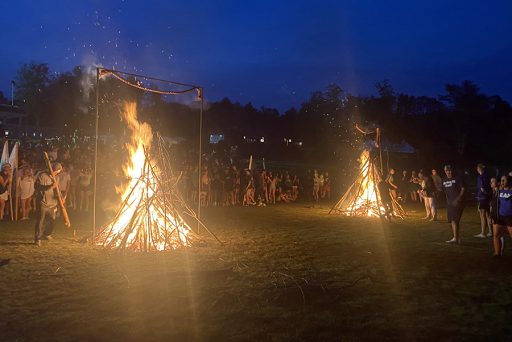 As we gathered as an entire community to close out the competition between our Unami Turtles and Minsi Wolves Tribal teams last night, we were treated to just such a special moment. Minsi was off to a very good start, and it seemed clear within 30 minutes of the Rope Burn’s start that they would likely walk away with the win. Burning a very thick rope that’s suspended ten feet in the air is not an easy task, but their early efficiency at getting a fire built from scratch into one that was reaching the rope made them appear to be the favorites. Unami caught up with a great deal of hard work, but they seemed still to trail. The teams seated in front of the bonfires were in constant cheers, especially hyped because they were told before the start of the event that relatively few points separated the two teams after three days and the winner of this last activity would win Tribal. Minsi’s fire grew even bigger, and as time passed, Unami’s chances to come back waned.
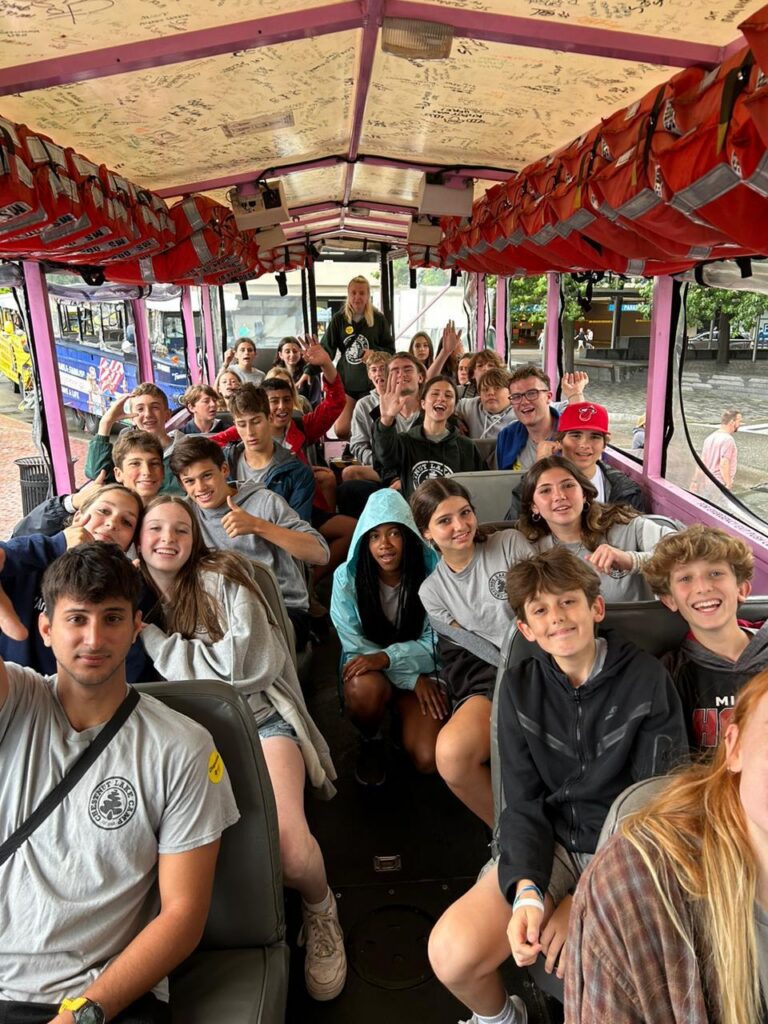 take on more responsibility, and gain independence, and these summers are the ones that all younger campers will aspire to reach. At Chestnut, we are still growing up in this aspect of our camp’s development.
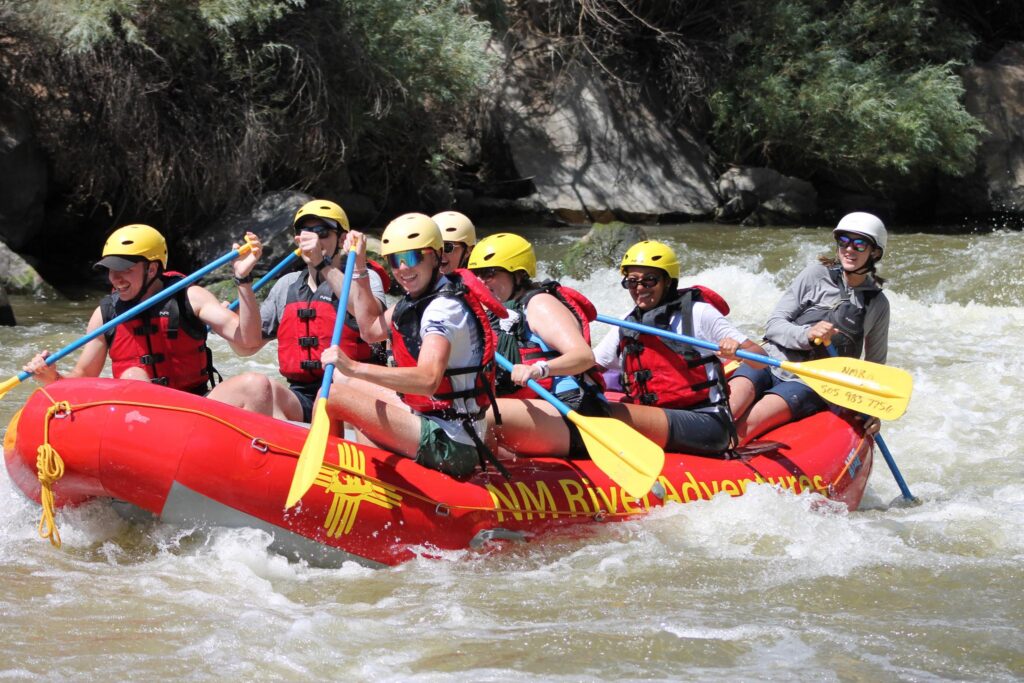 and that led to a few years of no major trips off-site. It was hard each year to make that decision, and though we look back and feel it was the right choice, it increased the build-up of anticipation and pressure for this year’s trips to finally get back off-site (including overnight versions). Just a few days ago, we completed all of our First Session trips and there is no doubt that these will turn out to be highlights for many campers. None more important than what our Varsity campers experienced.
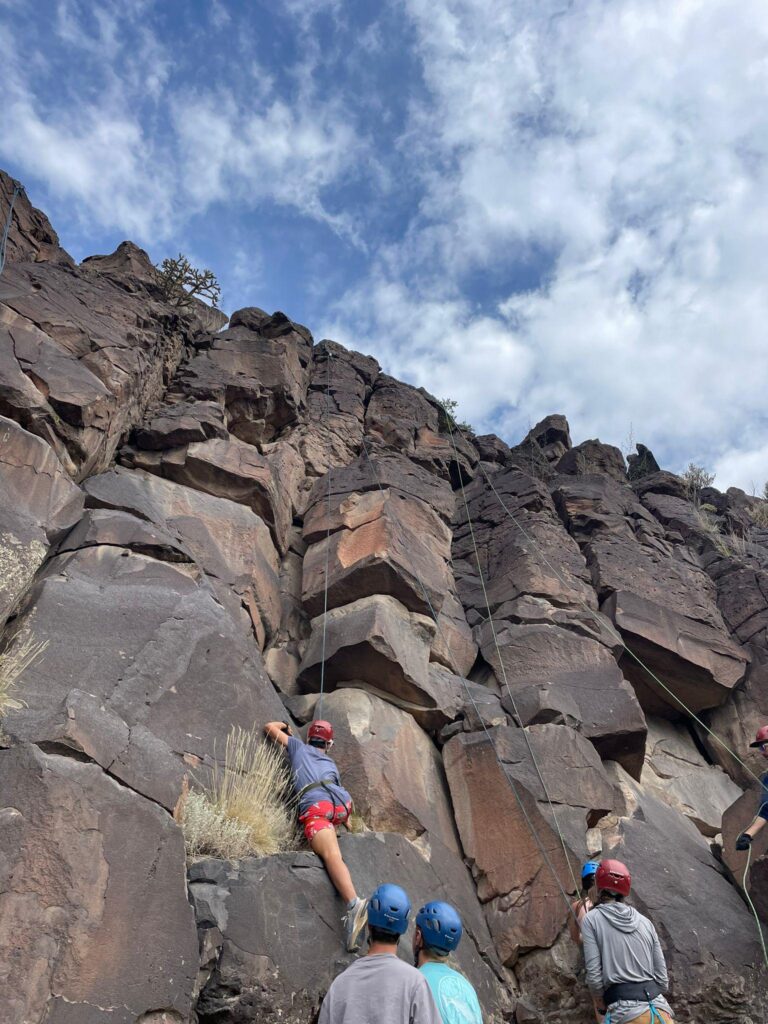 Albuquerque, including time spent sledding sand dunes and exploring Southwestern culture. But it’s the strength in their resolve, their adventurous spirit, and the bonds that were made deeper between them that have truly stood out. They even dealt with a stomach bug that has taken down many of our kids and staff for a short time, though our Varsity 2s would not let that keep them from enjoying this trip to the fullest. Now that they are back at camp, we continue to honor them (and their V-1 peers) for being trailblazers, both literally and figuratively. Our hearts are filled with pride, and we know that the campers that follow them are already hearing the stories and are excited to follow in their footsteps. This is how young camps become more “mature.”
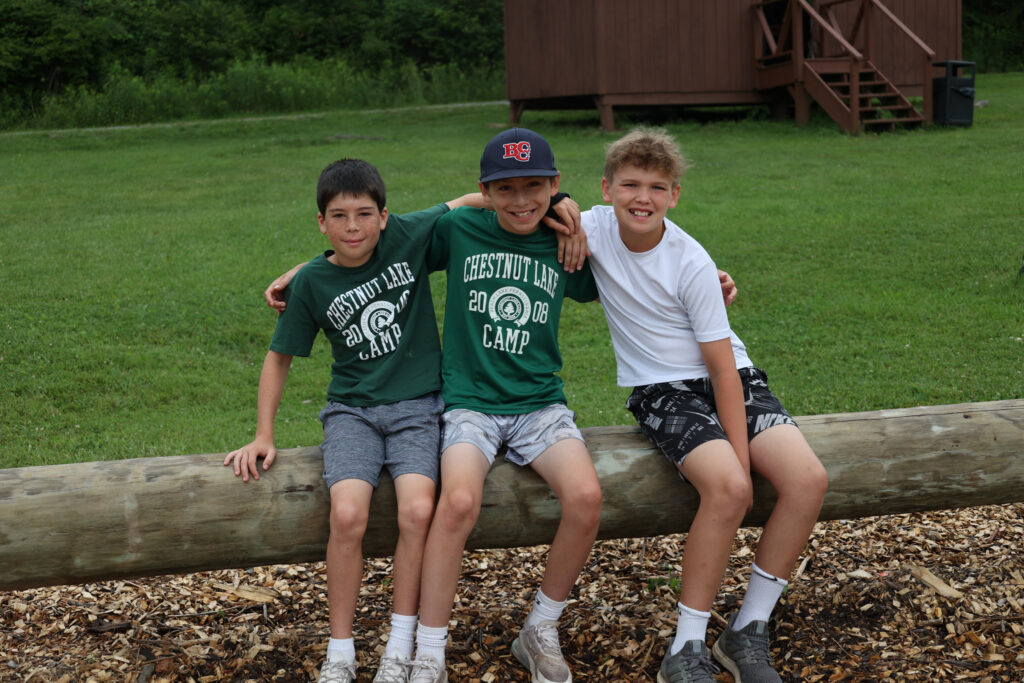 engagement. At the same time, the feeling at this point that we’re camp veterans with connections already running so deep is just as important. A great session comes when you’re immersed in camp life, including the emotional relationship that starts to form making camp feel like a second home.
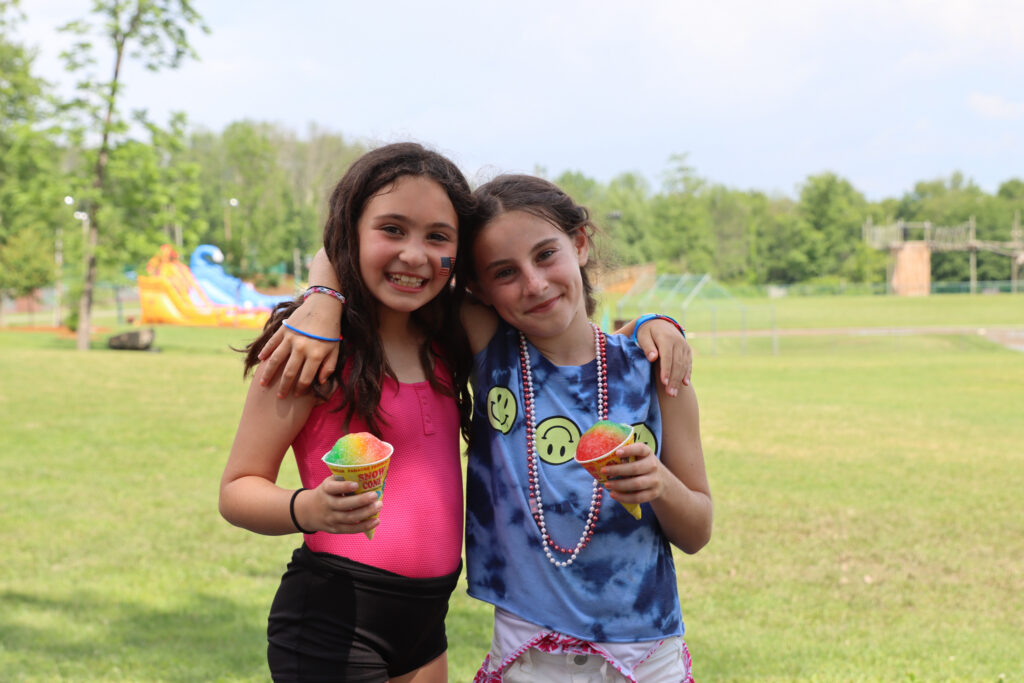 to elevate the program for all ages, and that is only going to intensify. We’ve had intercamp games, the start of rehearsals for the musical, Varsity-led activities like Casino Night, Rak Dan dancing, and our own Talent Shows. The Lip Sync competition was inspiring, but so have been countless moments in and out of the cabins watching campers start to really build friendships and make memories that will last. As we move into Week 3, expect to see and hear about our first field trips off-site, the return of our 9th/10th-grade participants after spending multiple days in New England or New Mexico, more Specialty Camps and Academies, Late Nights for teens, pool parties, Lake time, big art projects, more campfires and Community Service Awards, and the list goes on and on.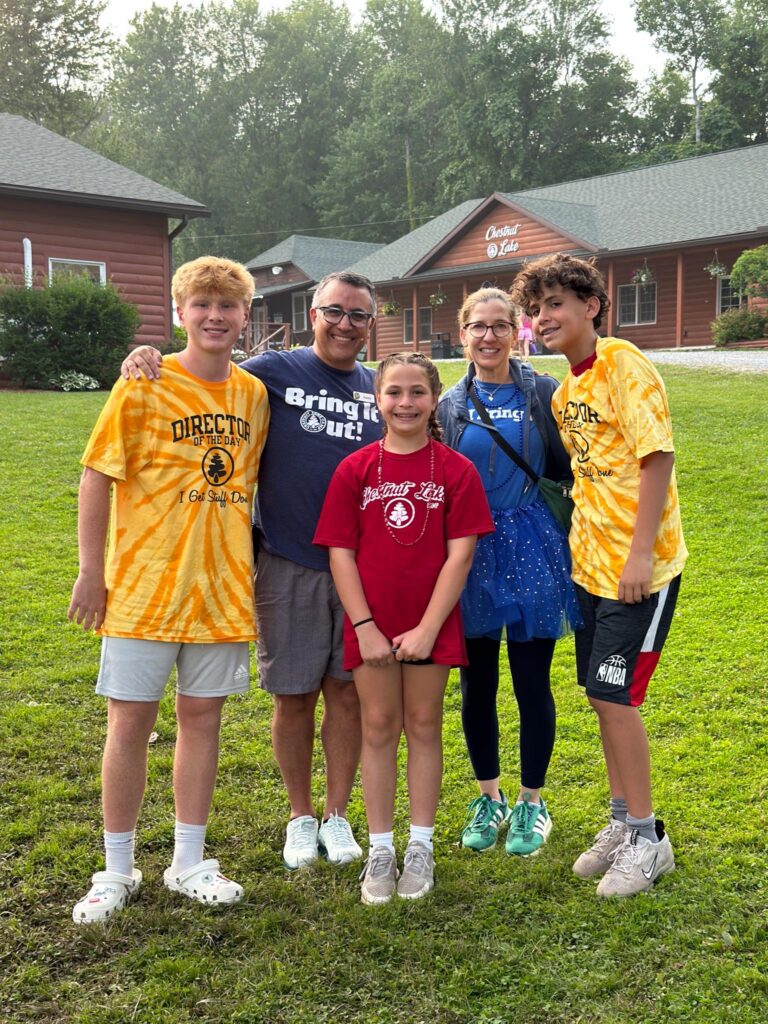
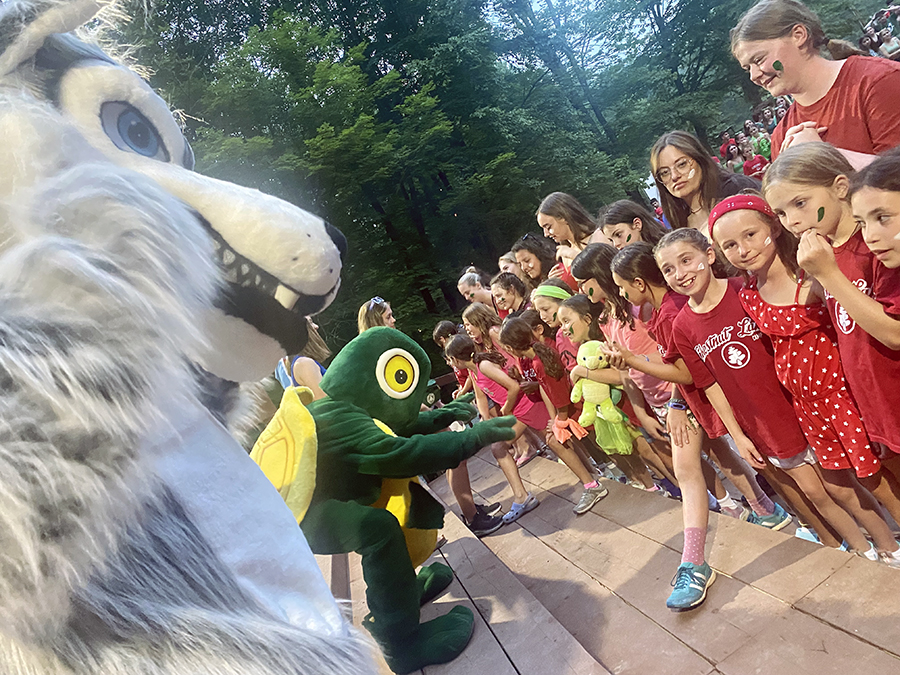 and the moment was compounded by celebrating in our new outdoor space: the Great Lawn. As the new campers and staff (wearing red) came through the green and white procession, they arrived to find Chestnut’s new performance stage and amphitheater that will be used for campfires, camp musical shows, and so much more. We retold the story of Tribal as we lit our first giant campfire in the new steel fire ring featuring the Chestnut logo etched into the side. Campers and staff found out their Tribal assignments with deafening cheers from their teammates and the Unami and Minsi mascots dancing across the stage. The lore of Tribal mixed with coming together at the Great Lawn for the first time made for a spectacular activity and a fitting end to the first week.
 And 2024 at camp will be even better! We know that we are on track for an exceptional season because of the experiences and feedback we enjoyed in 2023. As a camp run by leaders who are constantly setting high standards and believe that listening is key to meeting them, we can point to countless improvements made each year that have helped our camp to grow. As we come off of a wonderful summer, we can see that the efforts Aaron, Ann, and their entire team have made since arriving in 2020 are paying off. Chestnut Lake is experiencing its greatest enrollment ever with our highest rate of camper retention (from 2023 to 2024) in our 16-year history. Many other indicators like this remind us how important it is to ask our community what’s working and what’s not, and methodically and thoughtfully integrate their feedback into the camp’s operations.
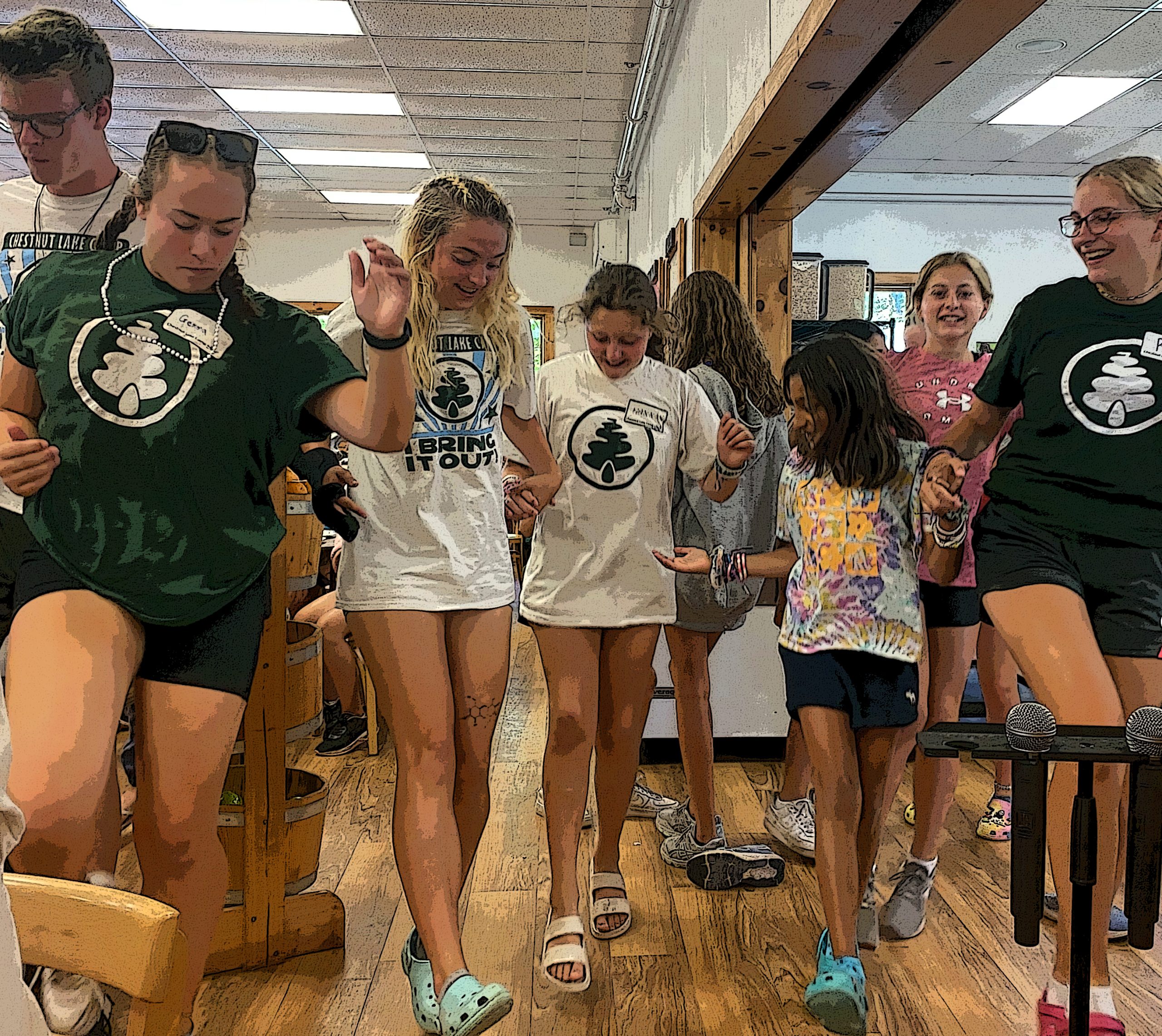 At home, we seldom get to witness the sensitivity and thoughtfulness of a young adult caring for someone else’s child in the way that it happens here. Many of our counselors – those that may have grown up here and those that have made Chestnut their new home this summer – have extended and challenged themselves to make sure their campers are safe and able to develop their own identities and independence here. There are the regular embraces, pats on the back, high-fives, fist-bumps, and kids and staff arm-in-arm that show the essence of what happens here every day that may never be possible at home. The relationship between the young adults and children at camp is one of the things that we leverage to teach and affect in a totally immersive environment, and that cannot be imitated in someone’s home or school, or most other settings. Camp is a place where we can make fun of ourselves, where we can compete with compassion, and where we can let ourselves make an incredible mess and then clean up afterward because we care about how we take care of this place and each other.
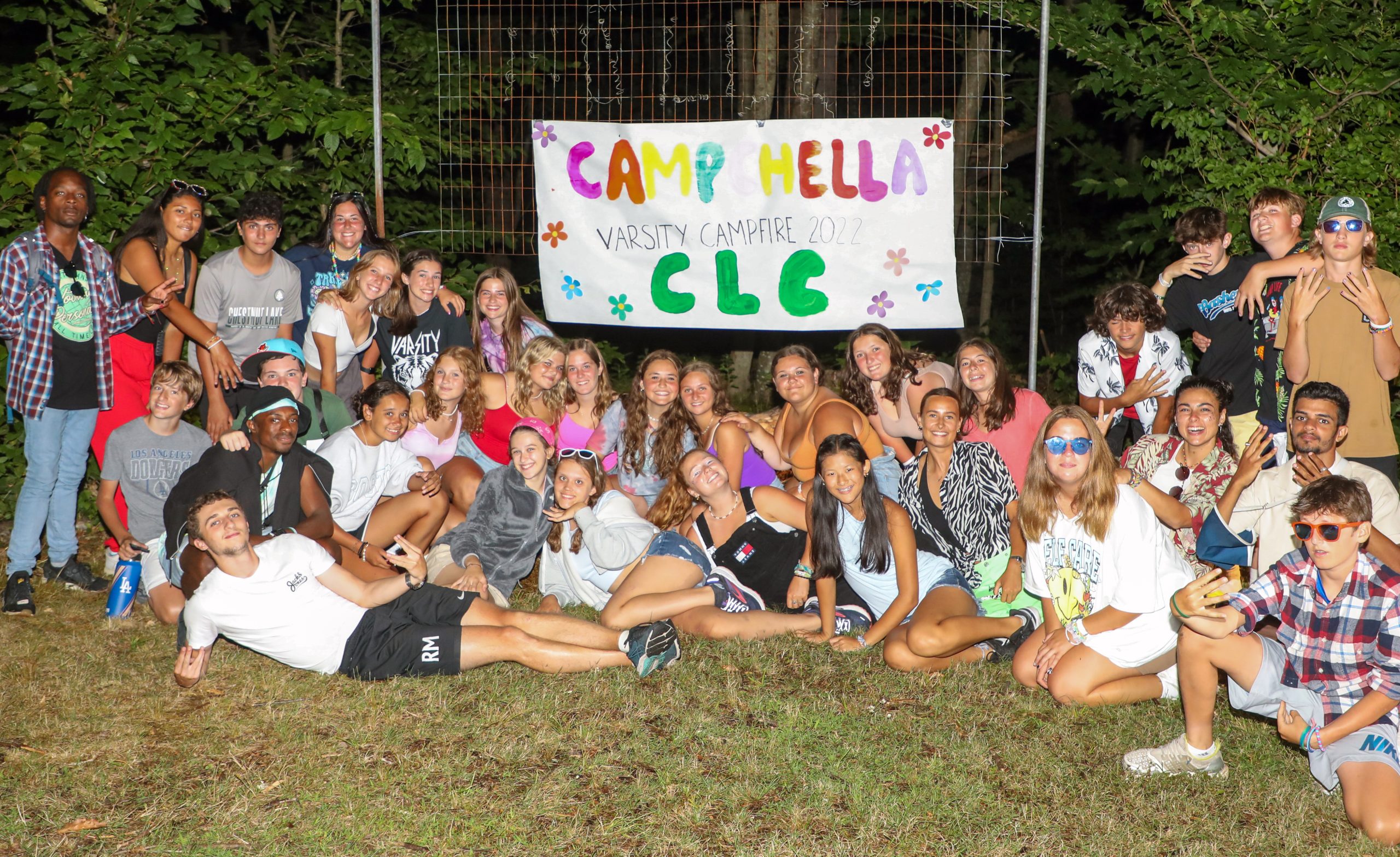 But my deeper thoughts this week are more aligned with the sharing and conversations around the Community Service Award portion of the program than anything else. It was a week of watching and listening to campers about their time here and about each other, and what you hear from the people living here each and every day is what matters. The awards are always sweet and heartfelt, and this week was no exception. Campers who have never spoken in public somehow have the presence to share their kind words about another person and how they have made a difference in their camp experience. Staff members recognize kids who they say have taught and inspired them simultaneously while the staff person is trying to do the same. Friends recognize each other’s respect and love and can speak to that in front of hundreds of people. The themes this week included advocacy, patience, support, fellowship, joy, and other things that we try to teach and reinforce. But no matter how hard we might try, it only works when someone actually does it, and it may only impact others in the community as fully as it should when we share it aloud. Being a part of that this week was touching.