
Campfire Tales | When the Colors Fade (7/18/25)
By Aaron Selkow, Owner/Director
There’s a low hum that’s growing louder across camp, just under the surface. You hear it in the pauses after announcements. You see it in the whispered guesses between campers at the close of an all-camp program at night. You can feel it in the smirks exchanged between seasoned staff or veteran campers who already know what’s coming.
Tribal is near.
We don’t announce the date. We don’t hint. We don’t post a schedule. Because at Chestnut Lake Camp, Tribal isn’t just an event — it’s an awakening.
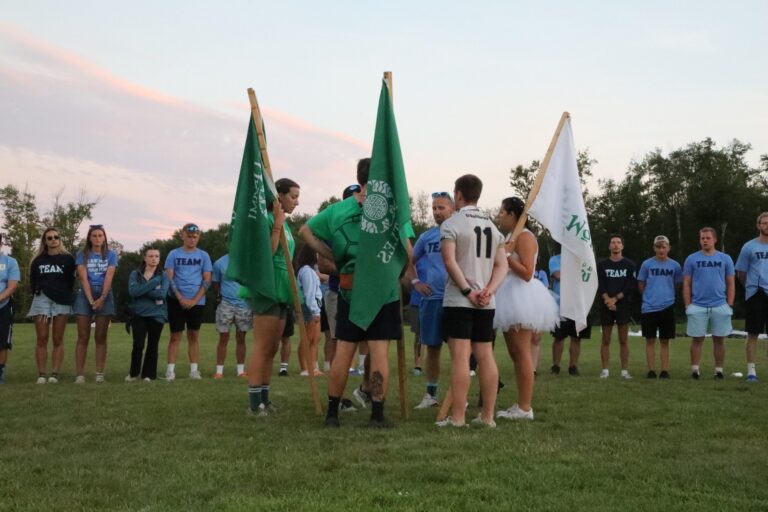
When it breaks, everything shifts. Campers scream, staff erupt, and just like that, we are split into two great tribes: Minsi (White) and Unami (Green). For three unforgettable days, our shared world is transformed. Friends become friendly rivals. Chants grow loud. The entire community leans into something that is at once ancient and brand new.
And at the center of it all are the Chiefs — four counselors, two for each tribe, selected to lead. They don’t apply for it. They don’t campaign. They are chosen. And not because they’ve mastered the art of the dramatic speech or won the most Tribal events as campers. They’re chosen because they live what Chestnut Lake stands for. Every day. In every moment.
Being a Chief is not about standing out. It’s about showing up. The Chiefs are the ones who have consistently led with character, humility, humor, and care. They’re the counselors who check in on a quiet camper after dinner, who rally a group not with ego but with empathy, and who embody what it means to be a role model — even when no one’s watching.
In an article from The Wall Street Journal, the Color War “Captain” was described as the new summer status symbol. There were drones in the sky, ping pong balls falling from helicopters, and parents livestreaming dramatic announcement ceremonies like red carpet reveals. One mom even described her son’s appointment as “more momentous than getting into college”. It’s understandable. We all want to celebrate our kids. But what we’ve created here at Chestnut Lake is something different. Here, the moment isn’t about being seen. It’s about being worthy of being followed. The title of Chief is not a reward. It’s a responsibility. And we chose counselors (and not our oldest campers) because we believe that it’s the counselors at Chestnut that have the most influence on our campers’ experience — they are the engine that powers Chestnut in so many ways.
We believe that every counselor at Chestnut Lake is a potential Chief. Whether they’re leading a tribe, helping to run an activity area, or simply guiding their bunk with patience and love, each of them can model the kind of leadership that lasts long after camp is over.
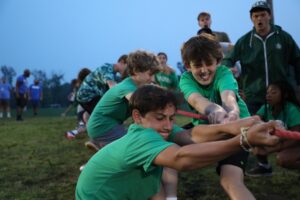 Years ago, I wrote about Color War as one of the most contradictory but profound parts of camp. After spending the entire summer building a unified community, we suddenly split it in two. Minsi. Unami. White. Green. Friends land on opposite teams. The very people who helped campers feel at home now face off as competitors.
And yet, it works. It works because Tribal is not about breaking us — it’s about revealing us. It’s about testing the strength of the bonds we’ve built. And it shows us, repeatedly, that we can disagree, compete, and still come back together stronger.
What I wrote then still holds: “Color War continues as much because of the challenge of having friends on different sides as it does despite it…when Color War is over, the colors fade.” But the growth doesn’t. The impact doesn’t.
As epic as the “Break” (the announcement of Tribal’s start and the introduction of the session’s Chiefs) of Tribal is — and it will be epic — the moment I always remember most comes later. It’s after the final chant. After the last event ends. When the face paint begins to wash off, and voices have gone hoarse. It’s the moment when the Chiefs from both sides hug in the center of camp. When the campers who spent days cheering for different teams sit down together and smile at what they just shared. It’s quiet. It’s human. It’s real.
Because Tribal, at its core, is not about division. It’s about demonstrating that we can live on different sides of something and still care deeply for one another. That we can compete — and compete fiercely — and still come back together. That we are strong in White, strong in Green… but strongest in the brilliant blend we become after the colors collide.
Every summer, new Chiefs are named. But they aren’t replacing the ones who came before — they’re continuing something. Something deeply human. Something this world needs more of. We need leaders who lead by listening. Leaders who cheer others on more than themselves. Leaders who compete with honor, love without condition, and know that their greatest strength lies not in what they win, but in how they carry themselves while they do it. That’s what being a Chief means here.
So yes, Tribal is coming. And yes, it will be unforgettable. But what matters most isn’t when it starts. What matters most is who our community becomes when the colors fade.
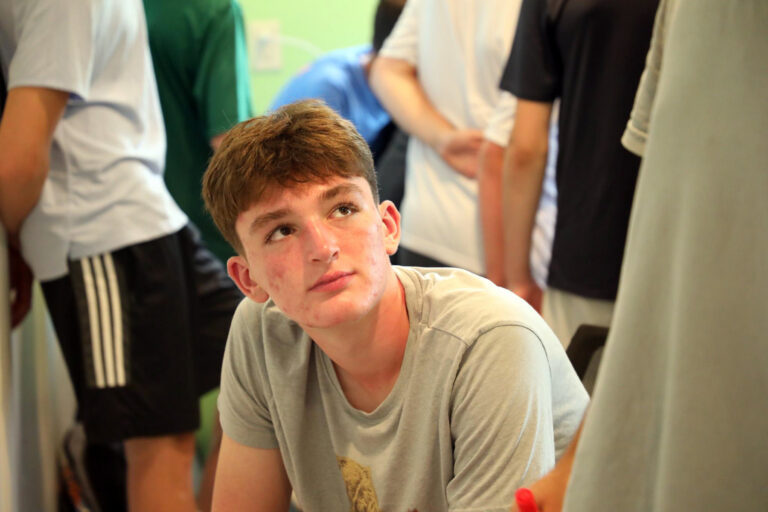
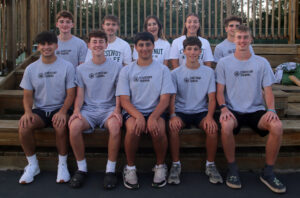 Leadership is one of those things we talk about a lot at camp — not because it’s a buzzword, but because it’s a living, breathing part of everything we do. At Chestnut Lake, leadership isn’t about being the loudest voice or the one with the most experience. It’s about presence. It’s about intention. It’s about knowing that your energy affects others in your cabin group, the people at an activity, and choosing to make that energy positive.
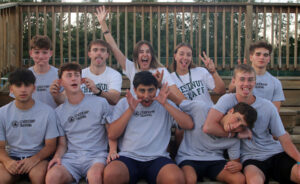 This week, they’ve helped our cabin staff, supported younger campers, and quietly stepped into moments that needed care. They’ve practiced being calm when things get loud. They’ve worked behind the scenes to make camp stronger. They’ve stayed curious and thoughtful, and reflective. And perhaps most importantly, they’ve paid attention. And today, they even navigated how you can serve Snow Cones without a Snow Cone machine.
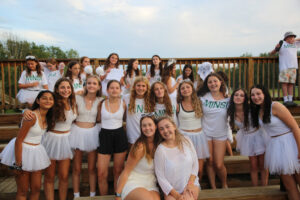 Although the tradition of Color War has come a long way since its creation (purportedly) at Schroon Lake Camp in 1916, including renaming, reframing, demystifying, and deconstructing some of the trappings to make it more effective and acceptable in today’s world, one common and consistent element can teach us a lesson. As camps strive each day to build healthy communities inside of their cabins in the woods, working dutifully to create a coalition and establish peace in these temporary homes, Color War often tests that process by making teams. Whether Green and White, different countries, or themed groups, bunkmates are divided. Friends that might usually choose their programs based solely on what the person who they sleep just a few feet away from is doing, or kids that would break up with someone if it was important to their BFF for any reason, now will spend hours upon days on opposite sides of this camp tradition. The competition can be fierce, even if the activities with the War include carrying an egg on a spoon. There are athletic contests that the entire camp may watch, rope-burning rituals that make for some of the most important moments – and awesome photographs – of the summer, and the writing and presentation of songs that can become part of the camp’s folklore forever. It’s a big deal at many camps, and no matter what camp professionals say and do to suggest that it is not the end-all and be-all of the summer, the dividing of kids and their staff between teams cannot be understated as a tricky variable. At Chestnut, we call this program, “Tribal”.
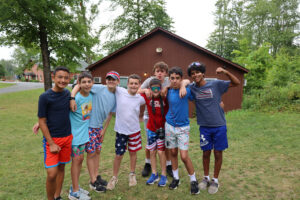 Camp leaders are not ones to do things without thought, and while they create environments that have inherent risk to give campers a chance to build resilience and independence, Tribal continues as much because of the challenge of having friends on different sides as it does despite it. They establish rules and structure for the program, of course. There are still shared values that govern the play, strong enough to sustain even when conflict arises. There are people in charge – independent and unbiased observers, referees, and surrogate parents – to shepherd the participants through their battles. There is an explicit agreement that all combatants must adhere to when the War is over: we will congratulate all for their efforts and then return to camp as we left it. There will be sad faces, tears, and lost voices, and the colored face paint may take a few days to fully disappear. But when Tribal is over, the colors fade. The issues that pitted teams against each other are over, we are back to working together for the betterment of the whole community, and the winners and losers of Tribal are just part of the nostalgia of camp with some funny or hard moments that we talk about at camp reunions for generations to come. Remember that fight song from 2009 with that line about the Unami Chiefs? Davey wrote it, and he’s now retired and living in Davie. Remember that Apache Relay from 2013 when Rachel cheated and edged Alex out at the end? Rachel is a prosecutor in the US Attorney’s office now. The fights on the fields of competition don’t linger, even if the tales of them sustain. Tribal creates stories, builds spirit, and proves that people who find themselves on two different sides of something can vie for a trophy without setting aside the decorum and humanity that is at their core.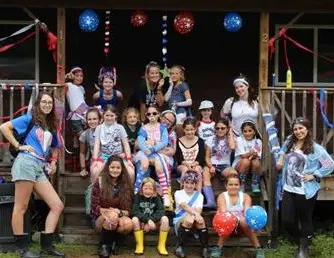
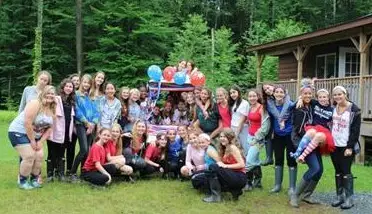
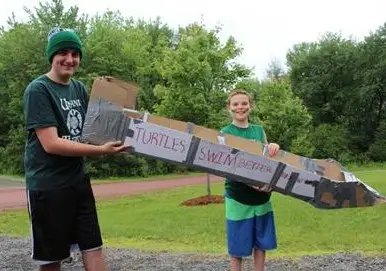
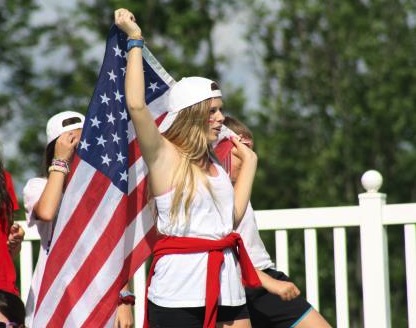
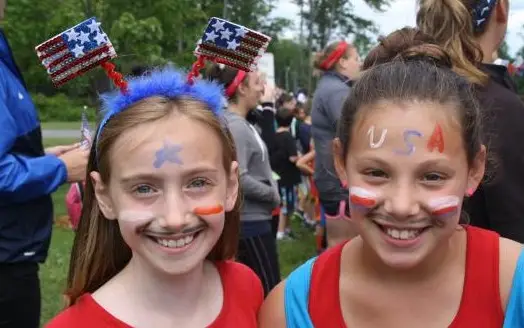
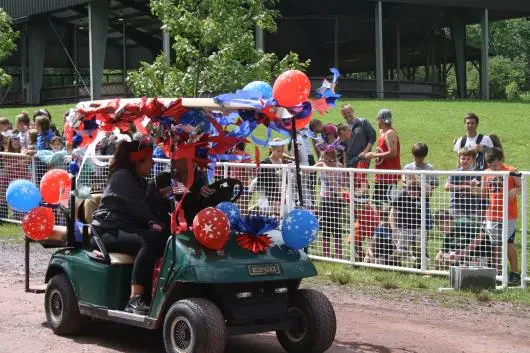
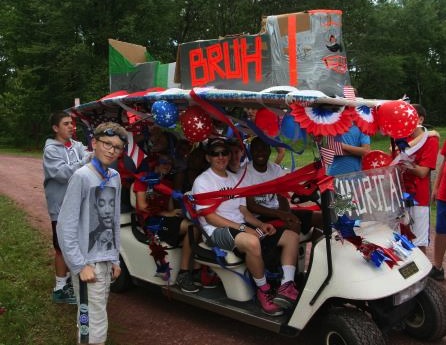
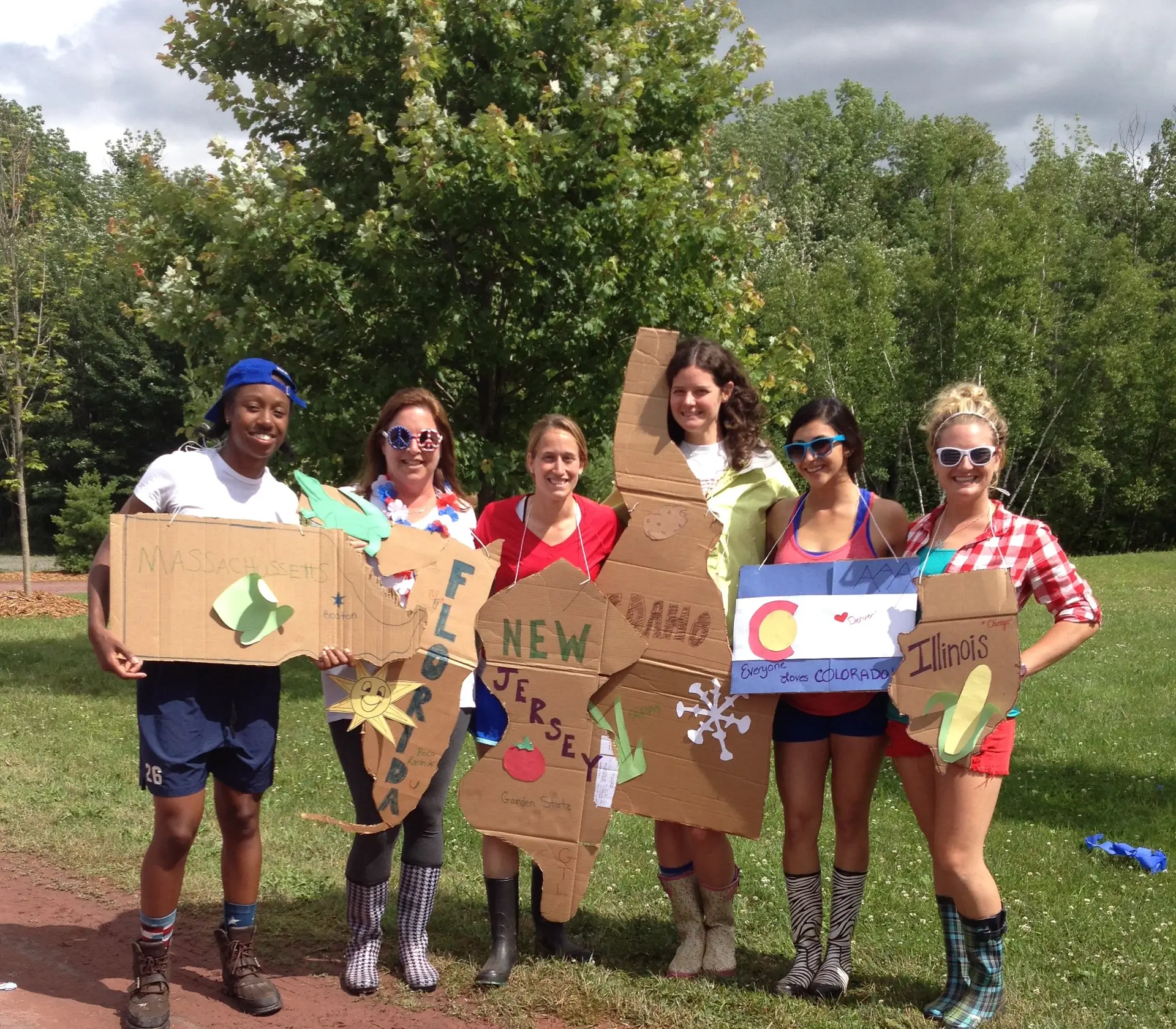
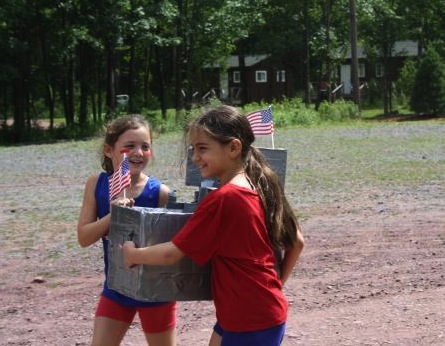
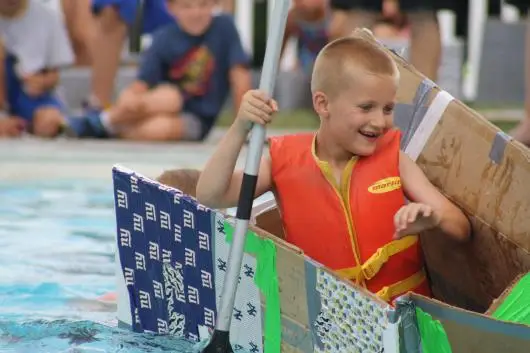

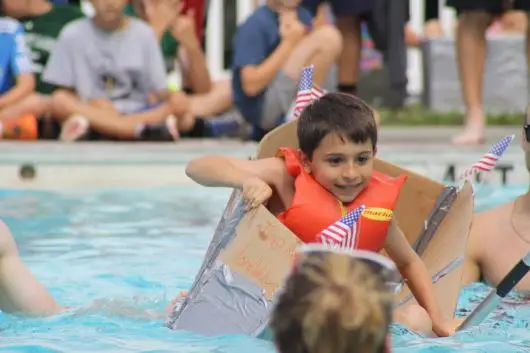
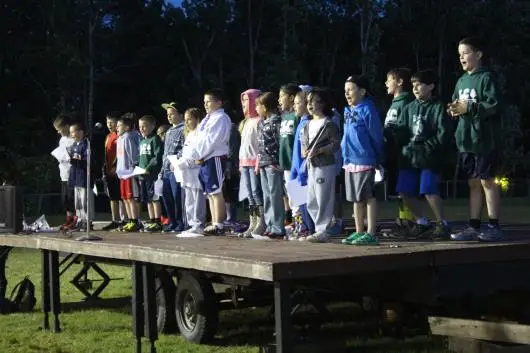
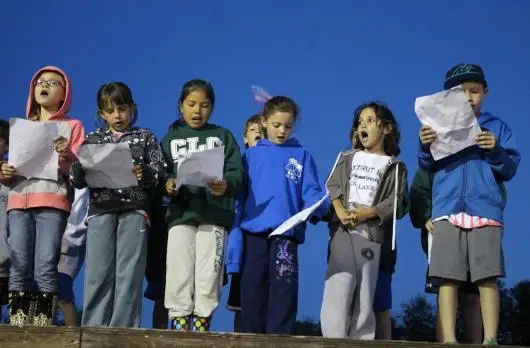
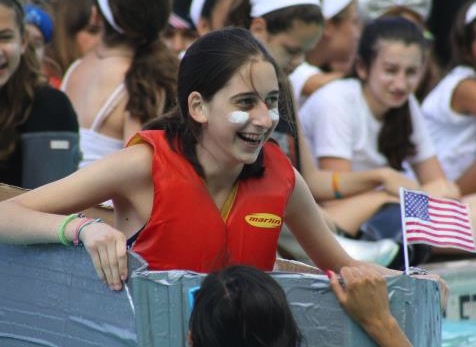 We capped the day with a very special performance by the Yazhi and Ciqala. They reminded the CLC family what Independence Day is all about and performed a few patriotic numbers. The grand finale of the show was an amazing display of fireworks that everyone enjoyed.